




Would a Shipping Container Survive a Fire?
A shipping container can resist heat for a short time, but it won’t survive a full fire. The steel may keep shape initially, yet sustained high temperatures weaken welds, seals, and metal integrity. Containers provide delay, not immunity. Fireproof coatings can extend survival, but total protection requires proper placement and safety systems.
Container steel is strong, not indestructible. TRUSUS insight: treat it as a heat-tolerant asset, not as a fireproof shelter.

Many buyers imagine containers as resistant bunkers, but flames cause deformation after the first hour. True durability depends on ventilation, coatings, and environment control.
What Are the Hidden Fees for Containers?
Hidden fees are not fraud—they’re part of transport logistics. Expect costs like delivery, craning, offloading, depot handling, and documentation. The box price covers the physical unit only. Access and movement charges depend on location and service network distance. Awareness of these layers avoids surprise costs later.
Container quotes show base cost, but logistics realities add handling fees. TRUSUS container supply emphasizes transparent point-to-point pricing with location-based calculation.
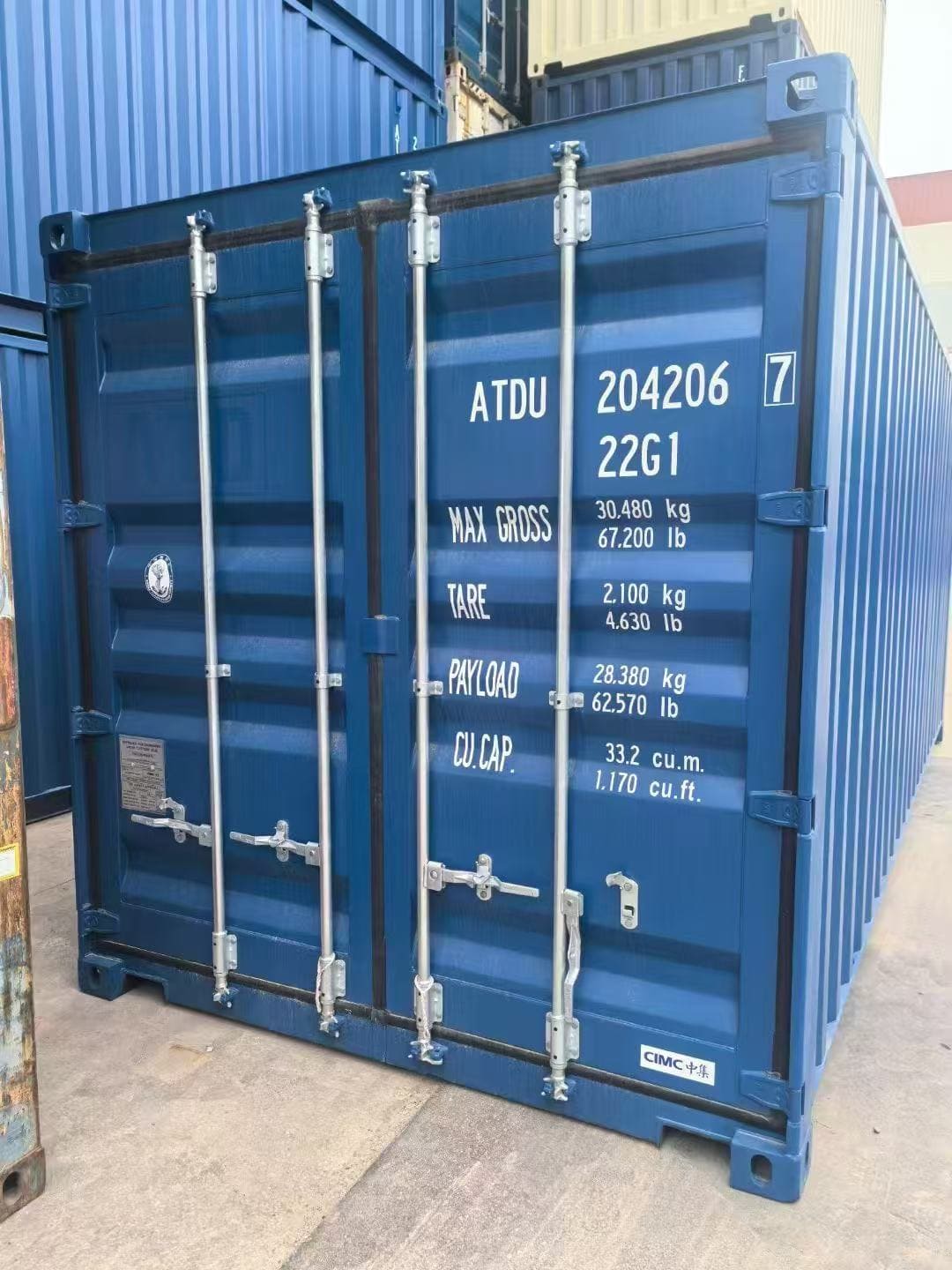
Container Cost Structure
| Fee Type | Description | Reason | Frequency |
|---|---|---|---|
| Delivery charge | Truck or trailer transport | Fuel + operator | Always |
| Lifting/craning | Placement at site | Requires heavy gear | Often |
| Depot handling fee | Yard retrieval charge | Container release | Per container |
| Documentation fee | Contract or port record | Legal requirement | Per transaction |
| Cleaning/reinspection | Before reuse | Quality assurance | Conditional |
When buyers see “extra fees,” they’re seeing the physical logistics chain behind the asset’s standardization.
How to Avoid Unexpected Container Fees
| Step | Action | Effect |
|---|---|---|
| Request all-in quote | Include transport + crane | Predict total |
| Confirm depot location | Choose nearest city | Reduce cost |
| Check condition codes | WWT or CW grade | Avoid repair fees |
| Schedule early | Off-peak delivery | Save time and labor |
Understanding global transport economics turns “hidden fees” into predictable operations.
Do Shipping Containers Sink in the Ocean?
Yes, they can sink under certain conditions. Empty containers may float temporarily because trapped air provides buoyancy. Once damaged or filled with water, they lose balance and descend. Loaded containers almost always sink when they fall into deep water. Proper locking and stowing prevent accidents.
Containers float only briefly when sealed. TRUSUS advises treating buoyancy as accident physics, not endurance proof.
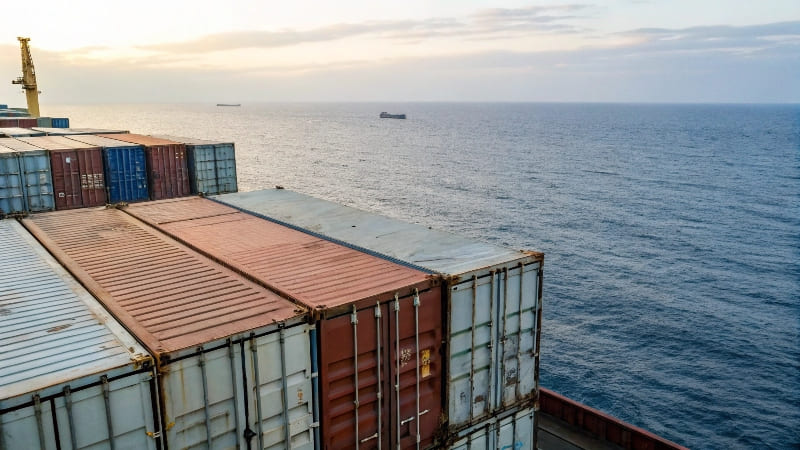
Container Buoyancy Chart
| Condition | Result | Duration of Float | Risk Level |
|---|---|---|---|
| Empty & sealed | Temporary float | Few hours | Moderate |
| Loaded cargo | Immediate sink | None | High |
| Damaged shell | Fast leak | Minutes | Very high |
| Air pockets intact | Partial float | Short-term | Medium |
| Flooded interior | Full sink | Permanent | High |
Ocean currents, wind, and corrosion accelerate sinking once pressure breaches container seams.
Safety and Recovery Principles
| Parameter | Recommendation |
|---|---|
| Proper locking on deck | Avoid loss during storm |
| Regular inspection | Check corrosion and seal |
| Use container tracking systems | Pinpoint lost units |
| Salvage operation timing | Recover before corrosion spreads |
Floating isn’t designed purpose—it’s incidental survival before steel weight wins over buoyancy.
How Long Will a Shipping Container Last Outside?
A shipping container lasts 15–25 years outdoors without major repairs if maintained. Coastal or humid climates reduce lifespan due to corrosion. Routine patching and repainting can double longevity up to 30 years. Structural strength declines faster if surface rust, drainage issues, or UV exposure remain untreated.
Container life = steel + maintenance + environment. recommends annual inspection and repainting for extended lifespan.
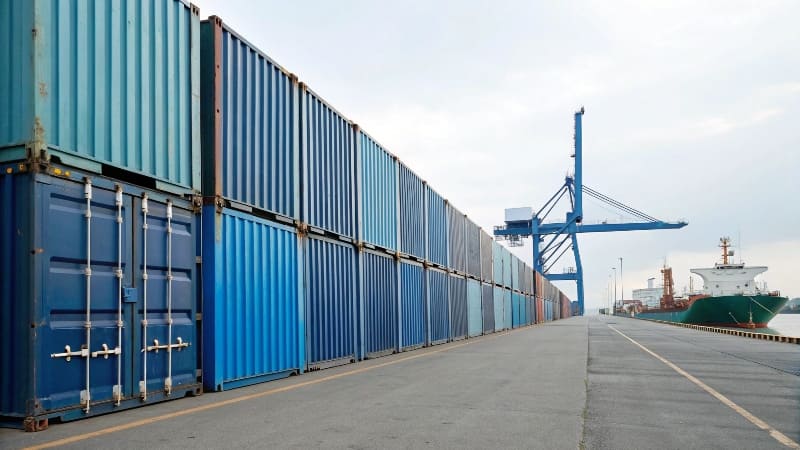
Container Lifespan Matrix
| Environment | Base Lifespan | With Maintenance | Notes |
|---|---|---|---|
| Dry inland climate | 20–25 yrs | 30+ yrs | Ideal condition |
| Coastal area | 10–15 yrs | 25 yrs | Salt corrosion risk |
| Wet region | 12–18 yrs | 25 yrs | Mold + humidity |
| Sun exposure, arid | 15–20 yrs | 28 yrs | UV fatigue |
| Mixed climate | 15–22 yrs | 30 yrs | Balanced wear |
Key Outdoor Protection Actions
| Action | Purpose |
|---|---|
| Repaint every 3–5 years | Block oxygen corrosion |
| Check drainage clearance | Prevent rust at bottom |
| Use raised foundation | Reduce ground moisture |
| Repair scratches immediately | Stop spot corrosion |
| Apply anti-rust primer | Extend coating protection |
Proper maintenance turns the metal shell into a steady outdoor structure with decades of reliable performance.
Conclusion
Shipping containers resist heat but cannot survive fire extremes. Their cost includes logistics like transport and lifting. They may float briefly, yet sink when breached or loaded. With maintenance, they outlast decades outdoors. TRUSUS containers represent industrial resilience—not indestructibility, but systematic durability built through care, usage, and awareness—proving that a container’s true worth lies in how intelligently it’s managed over time.
