




Will a Shipping Container Burn in a Fire?
A shipping container will not burn like wood or plastic because it is made of steel. However, at temperatures above 600°C, the steel can soften and lose strength.
TRUSUS safety insight: steel doesn’t burn, but its shape can fail.
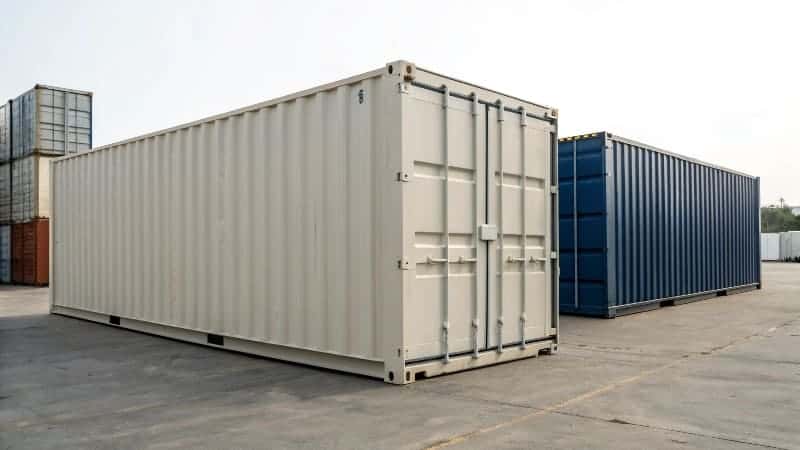
The container’s Corten steel exterior is non‑combustible. It resists flames but can deform when exposed to prolonged heat. So, the question is not whether it burns, but how well it stays intact when heat rises. Designing for fire means protecting the structure from temperature‑induced collapse, not combustion.
Will a Shipping Container Survive a Fire?
It can, if protected properly. A container’s steel body may endure limited fire exposure, but internal temperatures can cause warping.
TRUSUS integrity insight: survival depends on how we manage heat, not just steel grade.
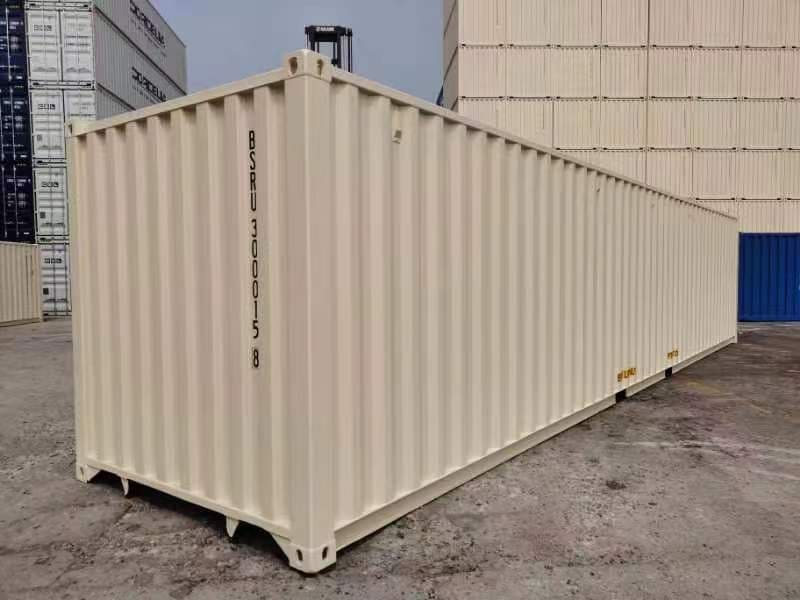
Fire Resistance Breakdown
| Component | Temperature Effect | Risk Level |
|---|---|---|
| Corner posts | High thermal endurance | Low |
| Wall panels | May buckle near welds | Medium |
| Roof and floor frame | Loses stiffness above 600°C | High |
I once inspected a post‑fire container used at a remote site. Its shell stayed upright but roof panels warped inward. Simple fireproof coating could have kept its structure aligned longer.
Are Shipping Containers Flammable?
No, shipping containers themselves are not flammable. What burns are interior modification materials or surface coatings.
TRUSUS material insight: risk hides inside the box, not in the steel.
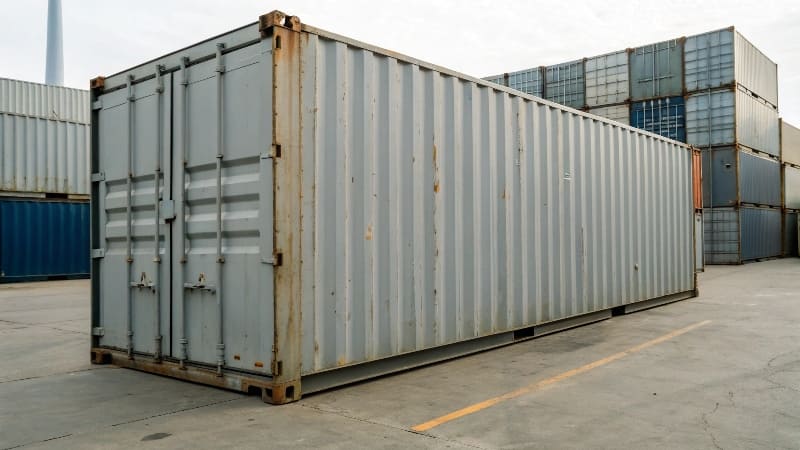
Material Comparison
| Interior Material | Fire Behavior | Recommendation |
|---|---|---|
| Polyurethane foam | Highly flammable | Replace with mineral wool |
| Wooden panels | Carbonizes rapidly | Use low‑smoke coatings |
| Fiber cement board | Non‑combustible | Ideal for fireproof interiors |
| Steel finishes | Conducts heat only | Safe with insulation layer |
On one container house project, wooden flooring created smoke while the steel walls stayed clean. Switching to cement board and mineral wool stopped the risk completely. Fire safety always begins with what you add inside.
How to Make a Shipping Container Fireproof?
Use insulation and coatings to delay heat damage. The goal is not to make the steel “fire‑immune,” but to slow its temperature rise.
TRUSUS fireproofing insight: protection means time—extra minutes save stability.

Fireproof Design Plan
| Technique | Purpose | Application Area |
|---|---|---|
| Intumescent paint | Expands under heat to insulate steel | Frame and roof beams |
| Fire barrier panels | Separate zones to contain flames | Interior partitions |
| Vent control design | Release heat pressure safely | Ceiling and vent openings |
| Replace old paint | Prevent toxic fumes | All refurbished surfaces |
I encourage every client using refurbished containers to add a thin intumescent layer and clear ventilation channels. These details transform simple cargo boxes into controlled safety systems.
Conclusion
At TRUSUS, I believe a container’s real fire protection lies in its design logic. Steel gives the skeleton; smart materials and coatings give survival time—turning every container into a secure, modern shelter.
