




Why Use an Open Top Container?
An open top container is used to load oversized cargo that cannot fit through standard container doors. It allows loading or unloading from above using cranes or lifts, making transport more efficient for non-standard goods.
TRUSUS logistics insight: open top means freedom of form within a standard box.

Its removable roof enables vertical handling of machines, timber, cables, or construction units that are heavy or irregular. This opens space for industries that deal with volume, not just dimensions, improving time and cost efficiency.
How Does an Open Top Container Differ from Standard?
An open top container differs from a standard container by having a detachable or flexible roof—usually made of tarpaulin or solid panels. It converts vertical access into tangible loading advantages.
manufacturing insight: difference lies in how space meets gravity.

Comparison Table: Open Top vs Standard Container
| Feature | Open Top Container | Standard Container |
|---|---|---|
| Roof Type | Removable panels or tarpaulin | Fixed steel sheet |
| Loading Access | Vertical and horizontal | Horizontal only |
| Typical Cargo | Machinery, bulk goods, piping | Palletized or boxed goods |
| Handling Equipment | Crane, forklift | Forklift, manual |
| Flexibility | High for irregular items | High for packaged goods |
Open tops are commonly fitted with roof bows for structural rigidity, making them as strong and secure as standard containers when sealed after loading.
Are Open Top Containers More Expensive?
Yes, open top containers are usually more expensive than standard units due to their enhanced structure, removable roof, and heavy-duty corner reinforcements. The higher cost reflects adaptability and usage range.
economics insight: price is the tag of flexibility.
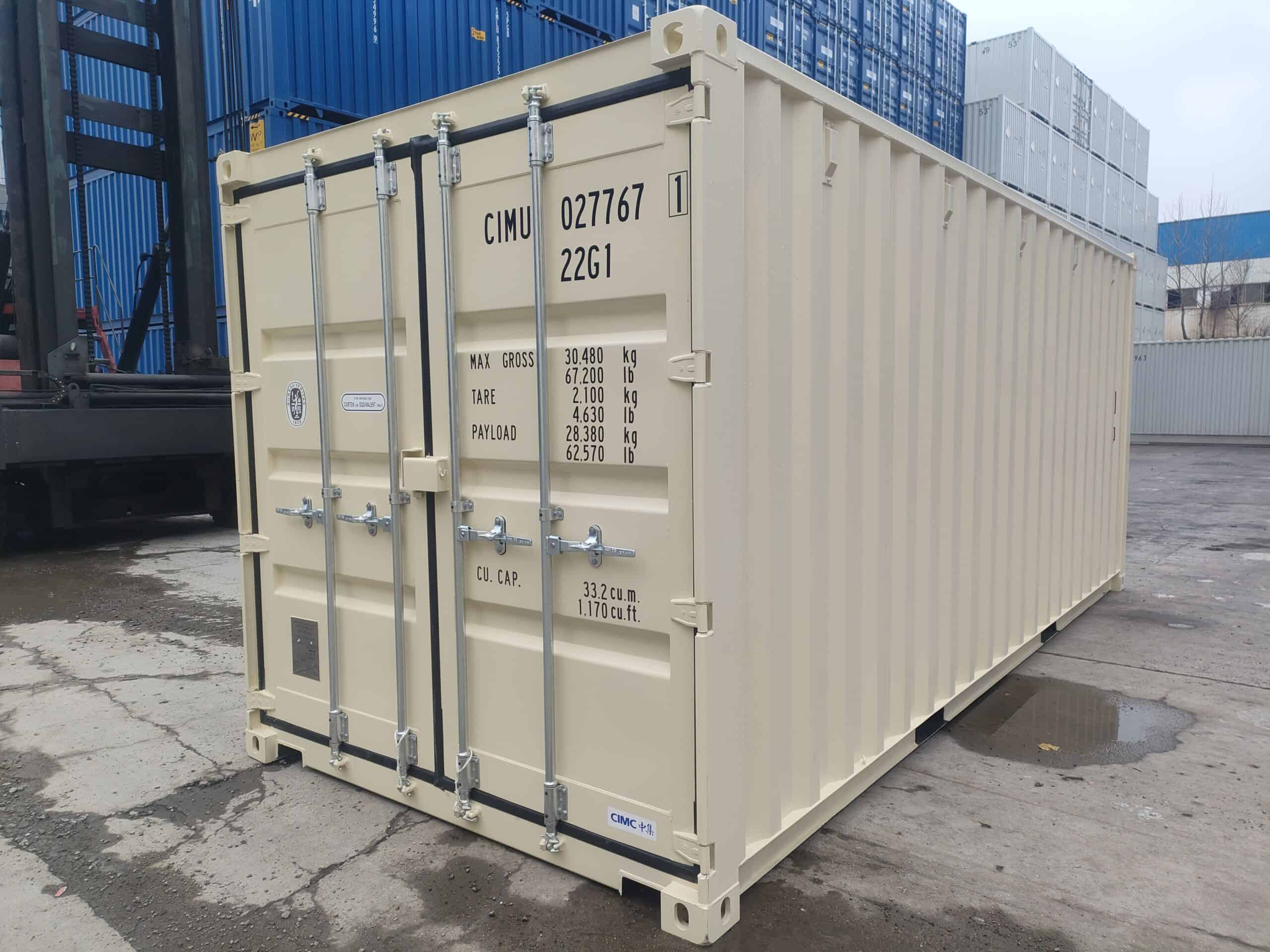
Cost Overview
| Container Type | Average Price Range | Typical Use | Cost Driver |
|---|---|---|---|
| Standard 20ft | Lower | General cargo | Mass production volume |
| Open Top 20ft | Higher | Machinery, bulk loads | Extra reinforcement |
| Standard 40ft | Moderate | Export goods | Structural uniformity |
| Open Top 40ft | Highest | Industrial freight | Roof and frame complexity |
For rental or logistics planning, the additional cost of an open top container is offset by reduced loading constraints and saved labor hours during shipment of oversized cargo.
What Are Lightweight Containers and How Do They Differ From Top-Level Ones?
Lightweight containers use optimized alloys and structural engineering to reduce tare weight without compromising durability. They differ from top-level heavy-duty containers by offering more payload capacity within weight regulations.
innovation insight: less weight, more space for value.
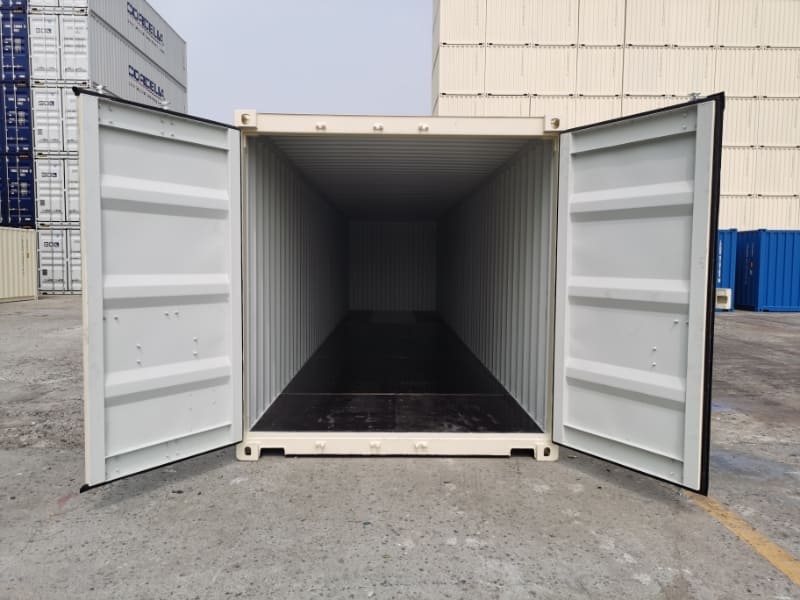
Lightweight vs Top-Level Container Overview
| Feature | Lightweight Container | Top-Level Container |
|---|---|---|
| Material | High-grade steel or aluminum | Standard carbon steel |
| Tare Weight | 10–15% lighter | Heavier, traditional structure |
| Payload Efficiency | Higher transport yield | Balanced, heavy load support |
| Energy Saving | Improved fuel efficiency | Normal fuel usage |
| Typical Use | Coastal shipping, air-freight modular integration | Mining, construction logistics |
Lightweight containers illustrate the evolution of modern logistics—from robust uniformity to flexible efficiency. They support industries focused on sustainability, fuel reduction, and adaptive load management.
Conclusion
Open tops unlock vertical space; lightweight containers unlock economic and environmental potential. At TRUSUS, I believe the future of shipping lies not in rigid standardization, but in intelligent adaptation—containers that fit both cargo and creativity.
