




Why Have Containers Been So Important in Increasing Globalisation?
Containers have been essential in increasing globalisation because they standardised the transport of goods, dramatically reducing shipping costs, transit times, and handling complexity. By allowing ships, trucks, and trains to use interchangeable units, containers unified global trade logistics and provided the physical framework for international supply chains.
Standardised containers transformed global logistics by creating interoperable cargo units. They reduced damage, labour costs, and delays, enabling trade expansion between countries. Intermodal systems connect ports, trucks, and trains seamlessly. Reduced costs allowed manufacturers and markets to reach the global stage affordably.
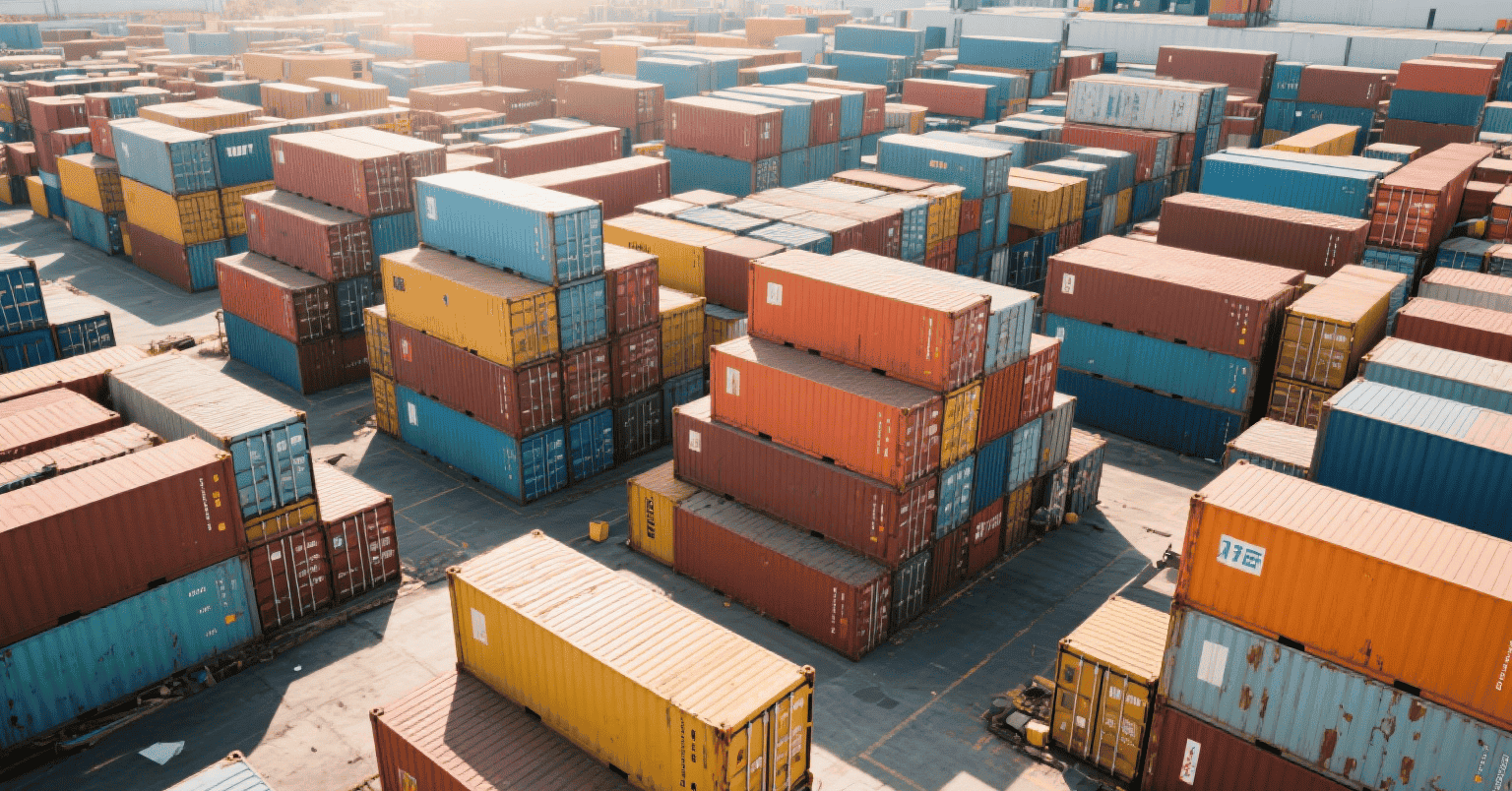
From my years in container sales, I’ve watched how a single design—steel boxes with uniform dimensions—became the invisible infrastructure of the global economy, quietly linking warehouses and consumers worldwide.
When Did Containerization Become Popular?
Containerization became popular in the 1960s when large-scale intermodal systems were standardized for both civilian and military use. Malcolm McLean’s innovation in 1956 marked the starting point, but real global adaptation occurred once shipping lines and ports were built to handle unified container sizes by the late 1960s and early 1970s.
Commercial containerization began in the 1950s but expanded rapidly through the 1960s–1970s with new ship designs and global port upgrades. Standard dimensions under the ISO system enabled global operations between countries without repacking goods.
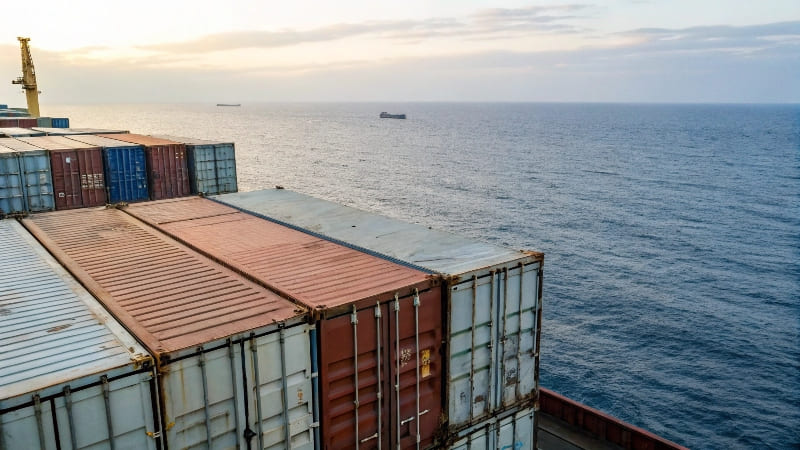
Containerization Development Timeline
| Period | Milestone | Description | Impact |
|---|---|---|---|
| 1956 | McLean’s first container ship | The birth of container shipping | Cost reduction of >80% |
| 1965–1970 | ISO standardization | Uniform sizes agreed worldwide | Enabled intermodal use |
| 1970s | Global port adaptation | Container cranes and yards built | Expanded trade volume |
| 1980s–1990s | Mega vessels & tracking | Faster ships and tech systems | Lower cost per container |
| 2000s onward | Digital logistics & reuse | Integrated tracking and secondary uses | Sustainable system growth |
Standard adoption triggered exponential growth in world trade efficiency.
Why Is Containerization Popular?
Containerization remains popular because it delivers low-cost, fast, secure, and scalable freight handling across industries. Its modular design simplifies logistics planning, supports automation, and reduces losses. Businesses favor containers for their reliability, compatibility, and global standardization—building trust and predictability into international commerce.
Popularity comes from efficiency, security, and scalability. Containers reduce handling time, minimize theft, and simplify documentation. Automation-ready designs fit ships, freight trains, and trucks. The modular concept builds trust across trade partners worldwide.
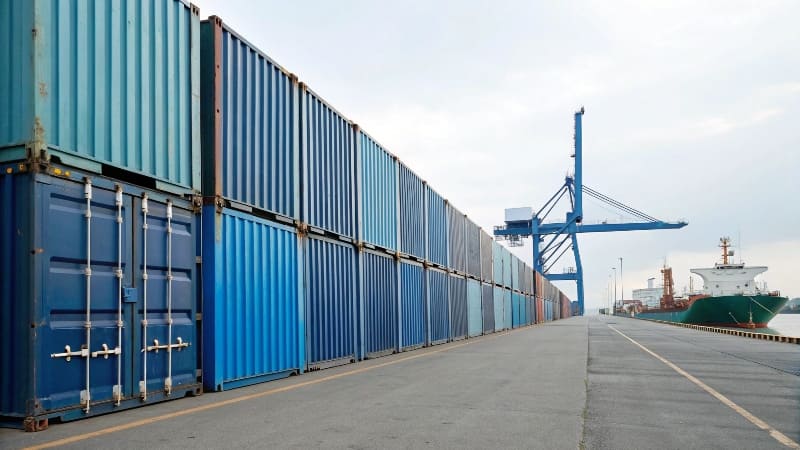
Popularity Drivers Across Industries
| Sector | Example Usage | Benefit Derived |
|---|---|---|
| Manufacturing | Export finished products | Reduced export cost |
| Retail | E-commerce fulfillment | Global product access |
| Construction | Modular site storage | Fast deployment |
| Energy | Offshore logistics | Secure equipment transport |
| Agriculture | Cold-chain delivery | Fresh goods preservation |
Widespread adaptability explains continued container popularity.
How Has Containerisation Changed the World?
Containerisation changed the world by turning global trade into a unified physical network. It lowered shipping costs by over 90%, made world markets interdependent, enabled global production chains, and reshaped coastal cities and inland distribution systems. Containers built the visible frame of globalization’s infrastructure and the unseen rhythm of global time.
Containerization turned trade logistics into a global machine. Cheap, reliable transport changed how industries produce and where goods move. It reshaped ports, cities, and labor structures while creating a new economic geography around global connectivity.
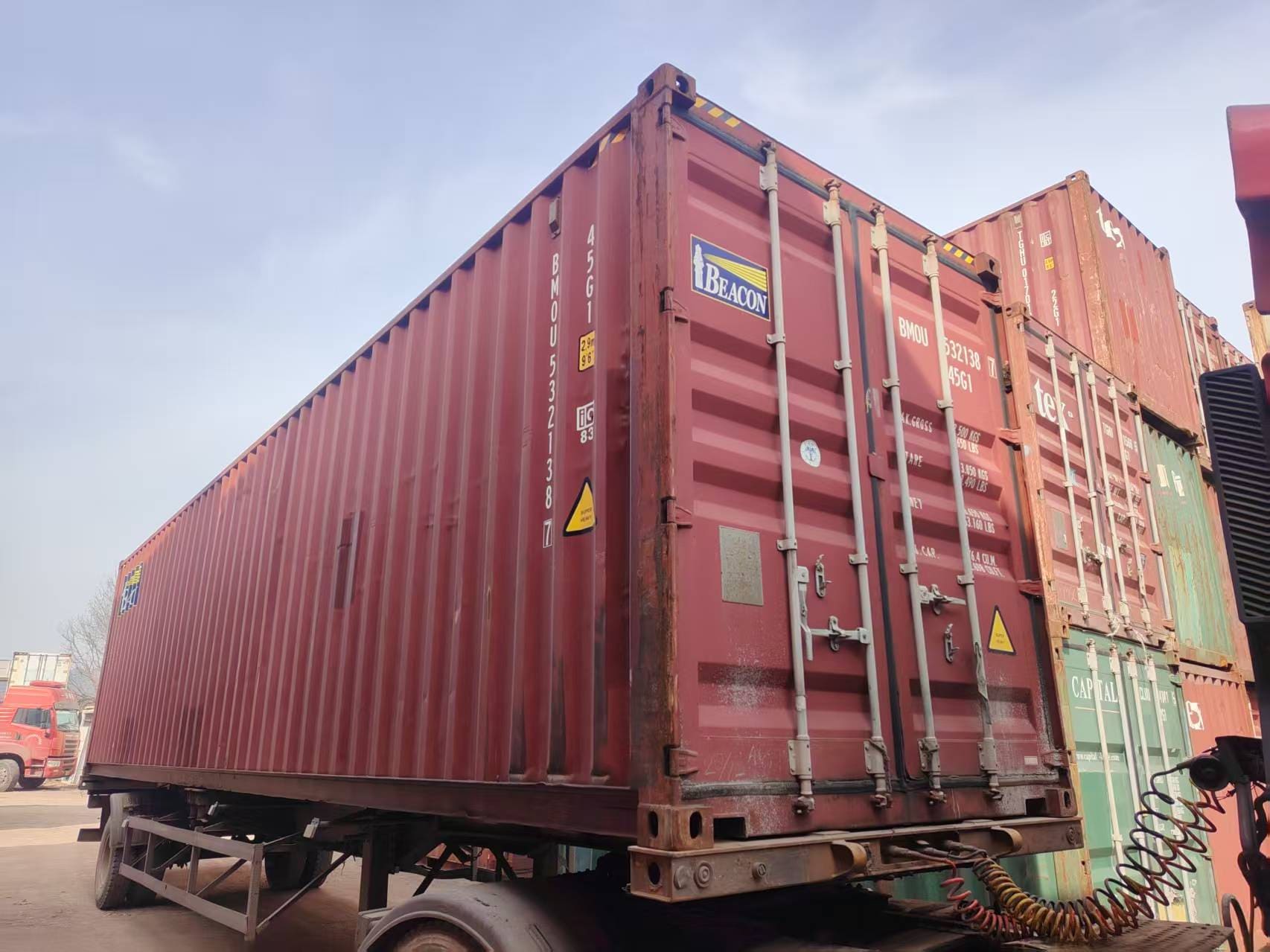
Global Impact Breakdown
| Transformation Area | Before Containerization | After Containerization | Outcome |
|---|---|---|---|
| Shipping | Slow and fragmented | Unified, faster handling | Reduced transport cost |
| Ports | Manual loading | Automated cranes | Increased throughput |
| Trade Networks | Localized markets | Global supply chains | Integrated economies |
| Urban Landscapes | Dockworker labor hubs | Logistic megahubs | New infrastructure growth |
| Manufacturing | National production | Global distributed assembly | Efficiency and specialization |
| Environmental Approach | Wasteful logistics | Modular reuse opportunities | Sustainable lifecycles |
Containers built the physical web of globalization.
Social and Economic Implications
| Dimension | Effect | Description |
|---|---|---|
| Employment Patterns | Job shift from manual to technical | Created logistics careers |
| Consumer Access | Global variety | Lower cost products worldwide |
| City Development | Port-centered expansion | Transformed coastal economies |
| Innovation Platforms | Modular reuse | Sparked prefab architecture |
| Sustainability Awareness | Second-life repurposing | Promoted reuse movement |
Containerization changed how nations connect, how cities grow, and how societies consume.
Conclusion
Containers became the hardware backbone of globalisation, reshaping trade, labor, and geography. Since the 1960s, standardization made ships, ports, and economies interoperable. Their efficiency, security, and adaptability made containerization popular worldwide. Today, containers continue to define global supply chains, empower modular construction, and symbolize physical globalization—linking economies and creating a shared material language of trade, innovation, and sustainability.
