




Why Are Shipping Containers Retired?
Shipping containers are retired when they can no longer meet ocean‑going safety and structural standards. Retirement marks a transition from maritime equipment to terrestrial resource.
TRUSUS logistics insight: retirement is not disposal—it is transformation.
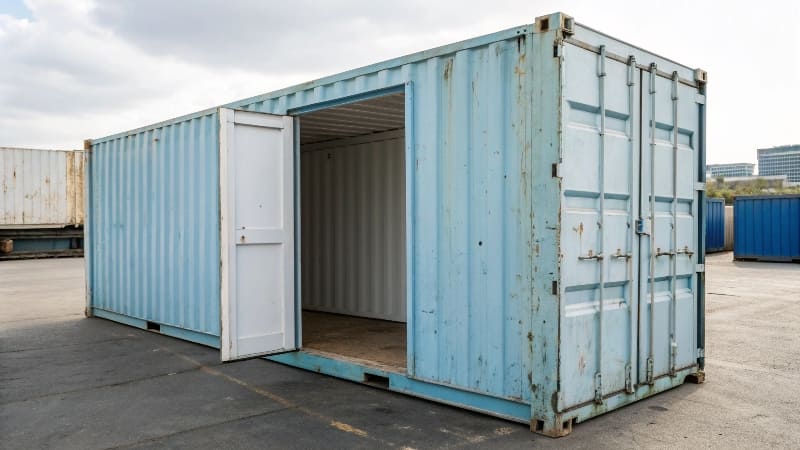
After 15 – 20 years of heavy global circulation, containers face fatigue, corrosion, or deformation. Though still useful for storage, they fail ISO sea‑worthiness tests. That is when carriers decommission them from fleet use and release them into secondary markets.
What Is a Decommissioned Container?
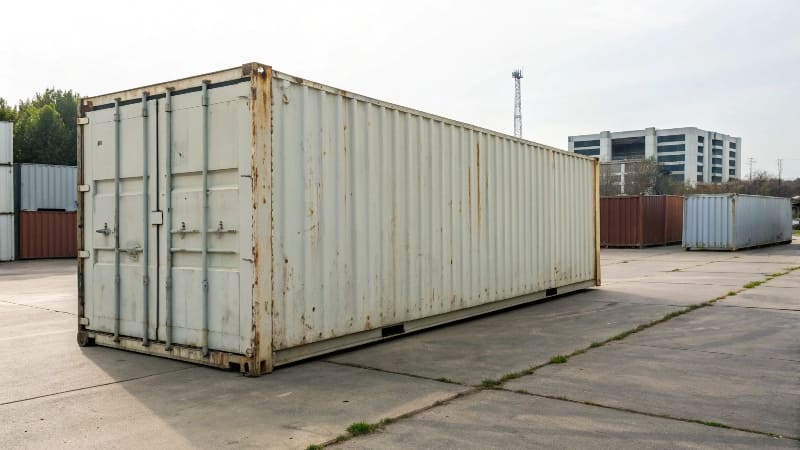
A decommissioned container is one removed from active shipping service but still structurally intact. It becomes a physical asset repurposed for land‑based use or recycling.
TRUSUS industry insight: decommissioning is a controlled reclassification, not destruction.
Container Status Reference
| Stage | Typical Condition | Market Use | Ownership Change |
|---|---|---|---|
| Active | Fully certified | International shipping | Fleet asset |
| Decommissioned | Minor wear | Storage / conversion | Sold to brokers |
| Repurposed | Modified | Housing / offices | Private use |
| Recycled | Dismantled | Steel reprocessing | Material recovery |
In practice, I often buy batches of decommissioned units from ports. They may show rust but maintain frame integrity, perfect for conversion projects.
Do Shipping Containers Get Decommissioned?
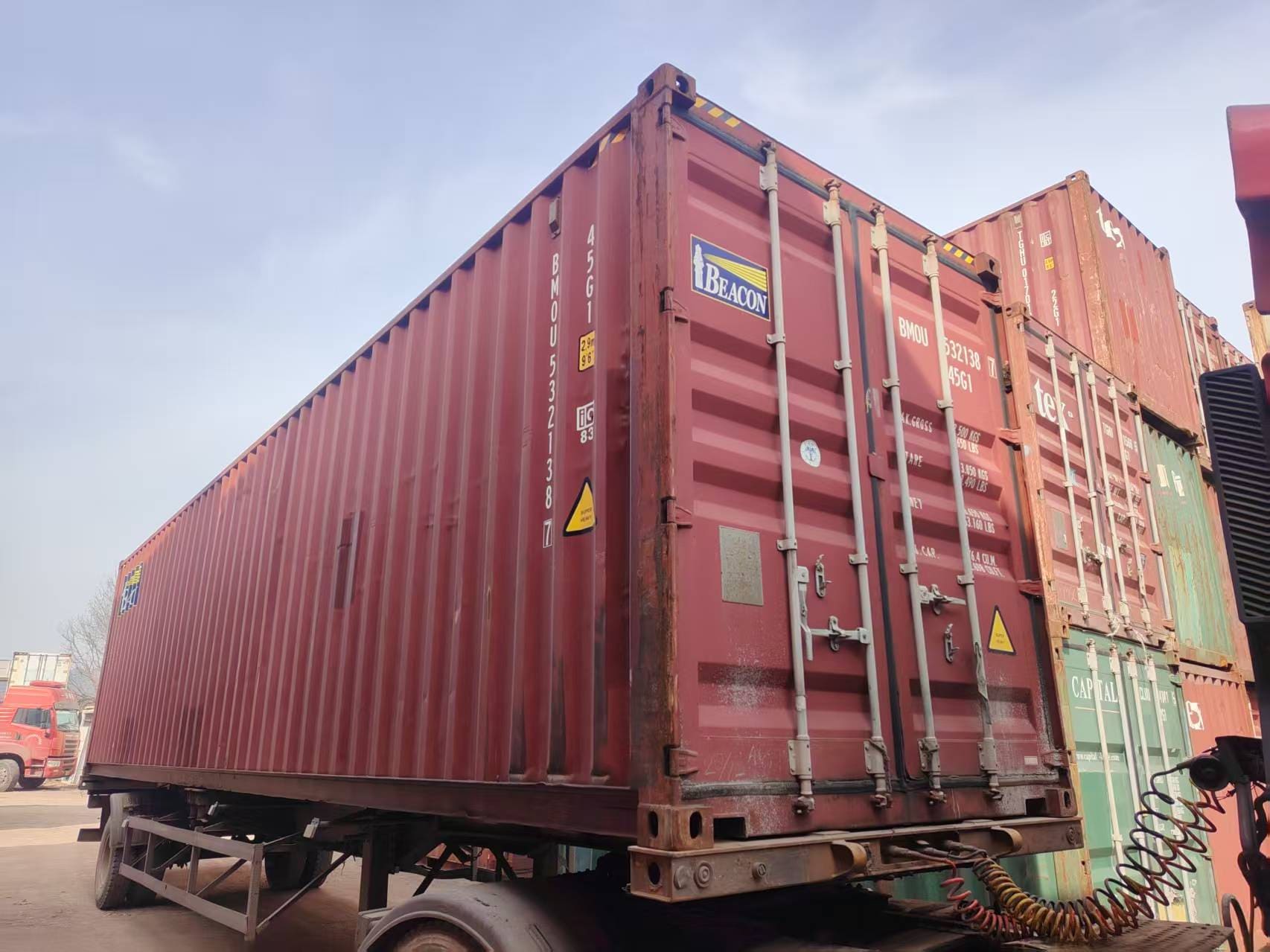
Yes, nearly every container faces formal decommissioning once inspection finds excessive wear. Carriers track each unit’s service time, structural health, and certification results.
TRUSUS operations insight: maintenance records guide when a box becomes a new business opportunity.
Decommission Steps
| Step | Description | Result |
|---|---|---|
| 1 | Inspection identifies fatigue or corrosion | Assessment report |
| 2 | Certification removed from registry | Container retired |
| 3 | Sale or auction to secondary market | Ownership transfer |
| 4 | Planning for reuse or dismantling | Lifecycle continuation |
I have seen clients wait for this moment deliberately—second‑hand containers cost less yet carry huge reuse value in construction and logistics extensions.
Can Shipping Containers Be Dismantled?
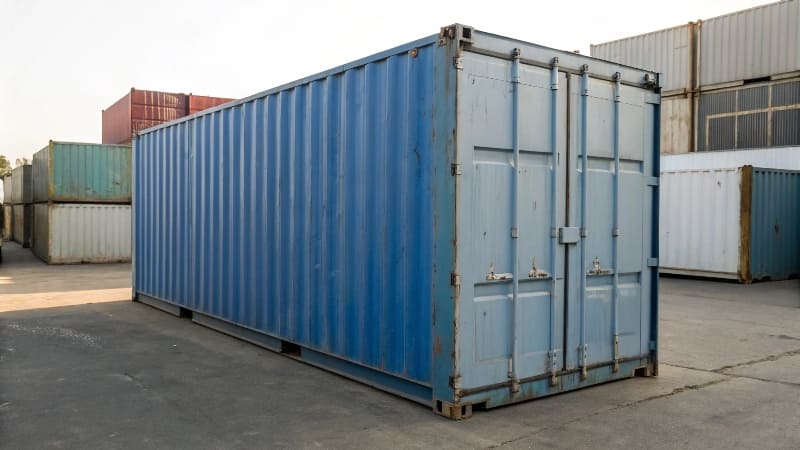
Yes. Old containers are dismantled into steel panels, corner castings, and doors for material recovery or fresh fabrication. This process enables the circular economy within container manufacturing.
TRUSUS recycling insight: dismantling is how steel keeps traveling long past its first voyage.
Dismantling Workflow
| Component | Reuse Potential | Processing |
|---|---|---|
| Side / Roof Panels | Sheet steel | Cutting, flattening |
| Floor Beams | High‑grade structural metal | Re‑rolling |
| Corner Castings | Mounting fittings | Re‑engineering |
| Doors & Frames | Salvage components | Remodeling or scrap |
| Flooring | Wood or bamboo | Secondary use or biomass |
In one recycling yard I visited, retired containers were stacked and stripped in stages. Within hours, each became raw steel ready to form new modular units—a silent loop of industrial rebirth.
Conclusion
At TRUSUS, I believe a container’s retirement is proof of industrial continuity. Each decommissioned box opens another chapter—turning logistics efficiency into long‑term sustainability.
