




Which Type Of Container Is Used For Temperature‑Sensitive Cargo?
Temperature‑sensitive cargo uses a reefer container, also known as a refrigerated container. It maintains constant conditions through built‑in cooling and temperature control units.
TRUSUS cold‑chain insight: in logistics, stability means life for your cargo.
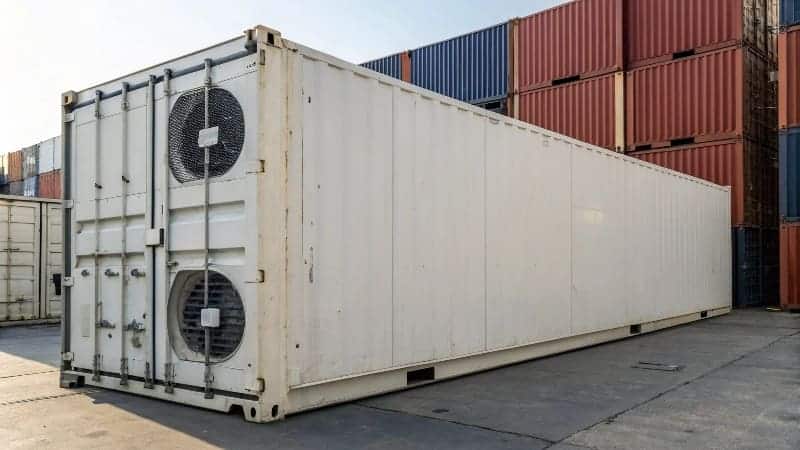
Reefer containers regulate cooling and humidity from –30°C for frozen goods to +25°C for medical equipment. They act as sealed microclimates, protecting perishable or sensitive materials regardless of weather or voyage length.
What Is A Temperature‑Controlled Container?
A temperature‑controlled container is a shipping box that can actively or passively maintain a set temperature. It uses insulation panels, compressors, and sensors to stabilize internal air conditions.
TRUSUS shipping insight: control the air, protect the value.

Temperature‑Controlled Technology Outline
| Feature | Function | Example Use | Benefit |
|---|---|---|---|
| Insulated walls | Reduce heat transfer | Food transport | Stable internal climate |
| Refrigeration unit | Active cooling | Medicine shipment | Precise low temperature |
| Temperature sensors | Real‑time data | Data logging | Predictive maintenance |
| Air circulation ducts | Even distribution | Fruits and flowers | Prevents cold spots |
I’ve watched crews calibrate container sensors before loading vaccines. Their careful balance between airflow and temperature proved how technology can truly preserve product integrity across continents.
What Is The Temperature‑Controlled Reefer Container?
It’s the most advanced form of temperature control in shipping. A reefer container integrates digital systems that adjust temperature automatically during transit.
TRUSUS logistics insight: a smart container protects product life like a body guards its heartbeat.

Reefer Container System Breakdown
| Component | Description | Practical Effect |
|---|---|---|
| Refrigeration engine | Maintains set temperature at sea | Preserves frozen or chilled goods |
| Humidity regulator | Keeps precise moisture levels | Protects pharmaceutical cargo |
| Power connection | Operates from ship or truck | Integrated energy supply |
| Digital recorder | Monitors performance | Helps trace product history |
Once, I inspected a unit transporting tropical flowers through winter conditions. Inside the reefer, petals stayed fresh as if they were still in the field—a simple proof of engineering harmony with nature.
Why Is It Important To Keep An Anhydrous Compound In A Closed Container With A Desiccant?
Anhydrous compounds absorb moisture quickly when exposed to air. A sealed container with desiccant prevents chemical degradation or clumping.
TRUSUS chemical insight: dryness is protection, not preference.
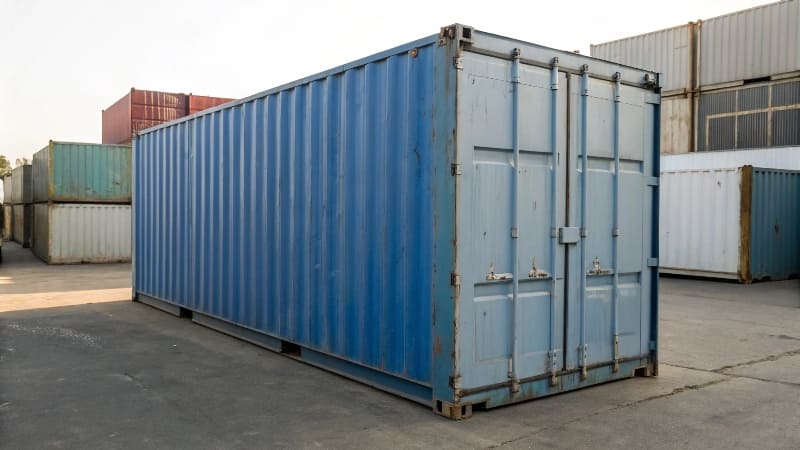
Dry Storage Principles
| Element | Function | Result |
|---|---|---|
| Airtight seal | Blocks external humidity | Compound stays pure |
| Desiccant | Captures residual moisture | Maintains zero‑water environment |
| Stable temperature | Reduces condensation risk | Preserves integrity |
| Inspection routine | Checks desiccant saturation | Ensures continuous dryness |
One client once stored laboratory salts in ordinary barrels; they hardened within weeks. After switching to sealed desiccant containers, losses dropped to almost zero. Control in storage equals control in results.
Conclusion
At TRUSUS, every container tells a story of stability. From deep‑sea cold storage to laboratory dryness, we design systems that keep both product and value perfectly balanced—no matter the climate outside.
