




When Stacking Cargo Containers on a Ship, What Must Be Prioritized?
When stacking containers on a ship, safety and balance must always come first. Weight, destination, and cargo type determine placement to ensure structural stability and efficient unloading.
TRUSUS logistics insight: stacking isn’t about height—it’s about harmony between physics and operation.
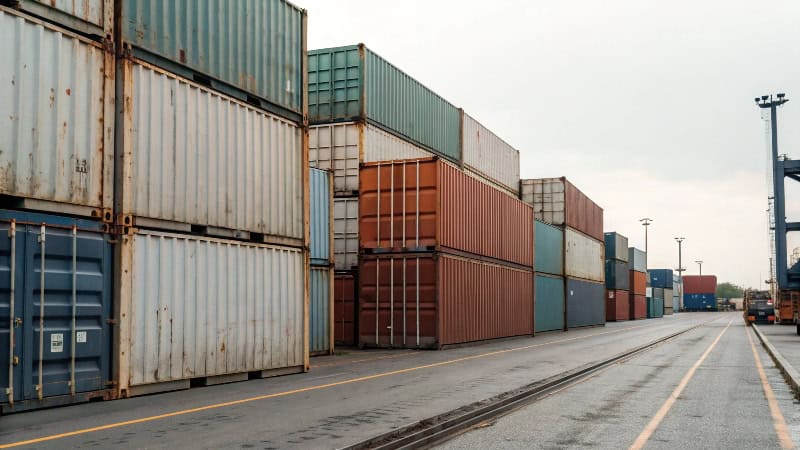
Each position is calculated before loading begins. Heavy units form a stable base, lighter ones follow above, and all locking corners align for structural integrity. The stacking order turns the vessel into one cohesive, balanced body.
Stacking Priorities Table
| Priority | Description | Reason |
|---|---|---|
| Weight Distribution | Heavy at bottom | Balance and center of gravity |
| Destination Grouping | Same port together | Faster unloading |
| Hazardous Cargo | Controlled compartments | Safety compliance |
| Structural Alignment | Corner castings matched | Vertical load transfer |
| Weather Stability | Wind-resistant layout | Protect against shift at sea |
These priorities ensure equilibrium and turn every voyage into a coordinated structural performance.
What Is the Best Way to Stack Shipping Containers?
The best stacking method is aligned vertical stacking using the corner casting system. Each container locks into the one below through twist locks, forming vertical load paths.
TRUSUS engineering insight: strength flows through corners, not walls.
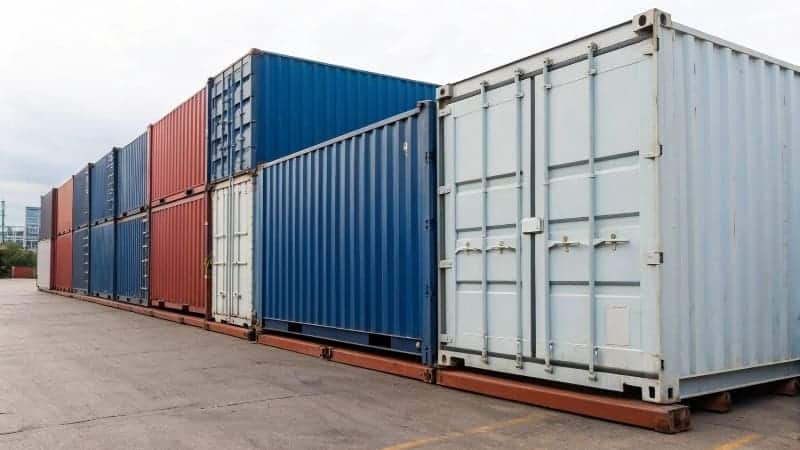
Optimal Stacking Method
| Step | Action | Purpose |
|---|---|---|
| 1 | Place heaviest containers on the bottom tier | Build solid base |
| 2 | Align corner castings precisely | Proper load transfer |
| 3 | Secure locks at each junction | Prevent shift |
| 4 | Use mid-tier support frames if required | Maintain structure |
| 5 | Inspect final alignment | Confirm vessel stability |
This method combines mechanical precision and weight science, ensuring durability across unpredictable marine conditions.
When Stacking a Cargo Container?
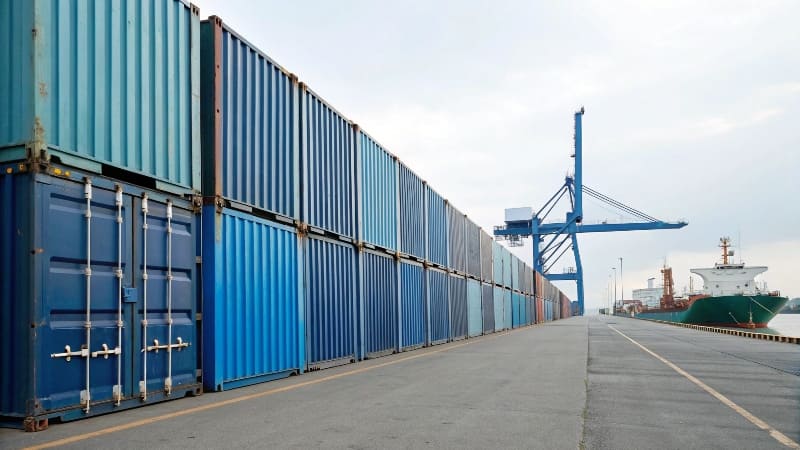
Containers are stacked only after inspection and verified load balance. Sea worthiness depends on precision during the short stacking window in port operations.
TRUSUS operational insight: rushing stacking leads to imbalance; timing is coordination, not speed.
Pre‑Stack Checklist
| Checkpoint | Detail | Purpose |
|---|---|---|
| Container Integrity | Inspect floors, locks, panels | Safety assurance |
| Cargo Weight Record | Confirm declared vs actual | Correct load balance |
| Ship Loading Plan | Follow software layout | Optimize trim & balance |
| Weather Condition | Check wind & sea swell | Avoid tilting during crane lift |
Proper stacking timing supports both crane efficiency and on‑deck stability.
When Stacking Cargo Containers on a Ship for Optimal Balance?
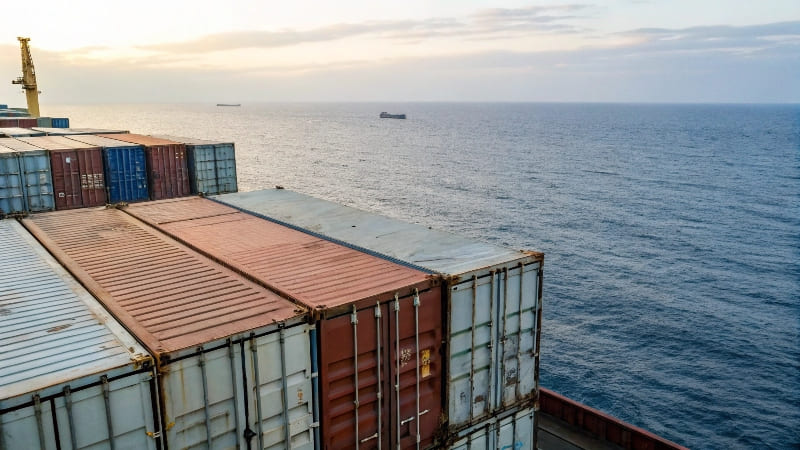
For balance, stacking must follow trim, stability, and load distribution plans approved by the ship’s officer. Containers are grouped by mass and destination across both sides and along the vessel length.
TRUSUS marine insight: true balance isn’t symmetry—it’s dynamic equilibrium across motion and purpose.
Balance Control Framework
| Factor | Description | Function |
|---|---|---|
| Longitudinal Trim | Position front-to-back weight equally | Maintain direction stability |
| Transverse List | Keep left-right load even | Prevent tilt at sea |
| Vertical Center of Gravity | Lower with heavy cargo | Increase vessel stability |
| Tier Height Limit | Restrict high stacking in rough routes | Reduce wind overturning |
| Destination Flow | Balance operational sequence | Efficient unloading order |
Balancing is both an art and science—one that fuses cargo geometry, engineering logic, and real-time sea motion response.
Conclusion
At TRUSUS, I view container stacking as more than logistics—it’s a structural philosophy. It proves that order creates stability, and stability sustains the global rhythm of trade, one steel box at a time.
