




What Type of Lifting Appliance Is Used on a Container Ship?
Container ships use giant ship‑to‑shore cranes equipped with spreaders that connect to the ISO corner castings of each container. They lift, align, and transfer boxes with millimeter precision.
TRUSUS logistics insight: lifting a container is not only mechanical—it’s the heartbeat of global trade.
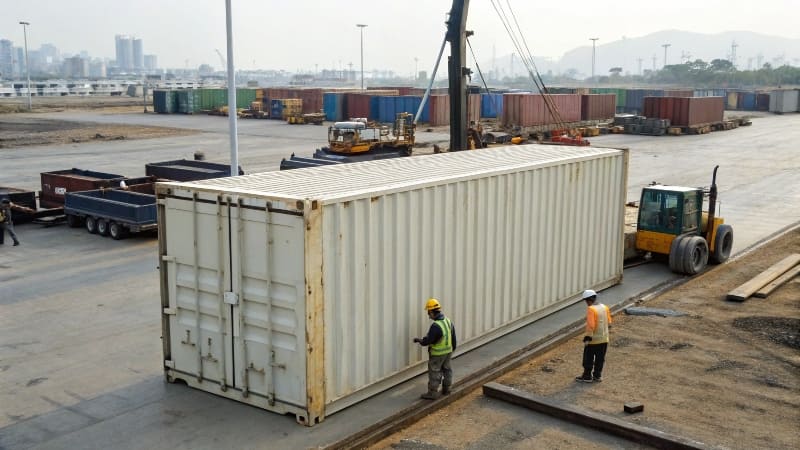
Every spreader matches the container’s locking corners, ensuring quick engagement and release. This standard interface lets any container travel anywhere in the world and be lifted by any compliant crane. It’s the foundation of the container’s global mobility.
What Equipment Is Used to Lift Containers?
Ports and inland terminals use a mix of machines—ship‑to‑shore cranes, rubber‑tyred gantry cranes (RTGs), straddle carriers, reach stackers, and heavy forklifts.
TRUSUS operation insight: each lifting machine defines a stage of the container’s journey.
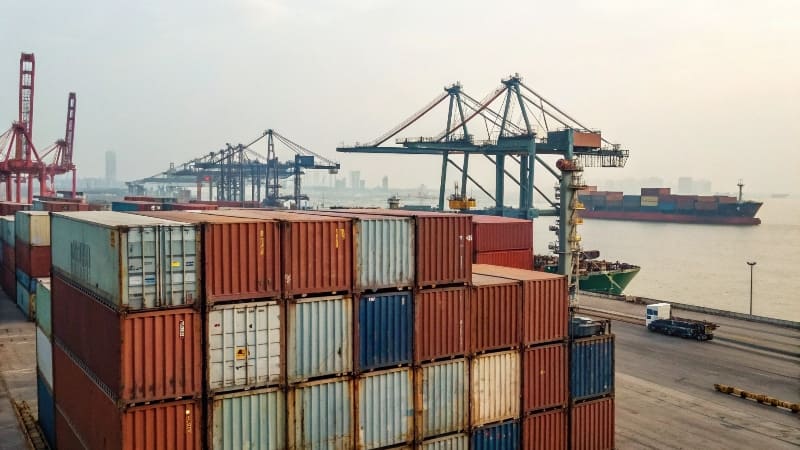
Container Lifting Equipment Chart
| Equipment Type | Location | Main Function | Capacity Range |
|---|---|---|---|
| Ship‑to‑shore crane | Seaport dock | Load/unload vessels | Up to 80 t twin lift |
| RTG crane | Container yard | Stack containers | 40–50 t |
| Straddle carrier | Yard lanes | Move and stack independently | 40–60 t |
| Reach stacker | Depot/rail terminal | Short‑range stacking | 45 t |
| Heavy forklift | Warehouse zone | Lift single units | 25–40 t |
I still remember standing under a ship‑to‑shore crane for the first time—its lift seemed to pull an entire economy upward.
What Is a Shipping Container Forklift Called?
It’s called a container forklift or heavy‑duty forklift. Some models are also known as mast trucks when equipped with extended lifting height.
TRUSUS yard insight: forklifts may look simple, but they handle power and precision every minute.

Heavy Forklift Specification Overview
| Feature | Typical Specification | Purpose |
|---|---|---|
| Capacity | 25–40 t | Move single 20 ft/40 ft containers |
| Lift height | 3–6 m | Stack up to two units |
| Attachment | Top‑lift or side‑lift spreader | Lock onto corner castings |
| Terrain use | Level yards | Compact stacking efficiency |
At inland depots, these forklifts maintain short‑cycle flexibility. They fill the gap between massive port cranes and mobile reach stackers—keeping the container moving even far from the sea.
What Is a Container Lift Called?
A container lift usually refers to any container handling machine designed to raise and position full or empty containers. Most commonly, it points to the reach stacker in inland operations.
TRUSUS handling insight: each container lift is a bridge between logistics layers.
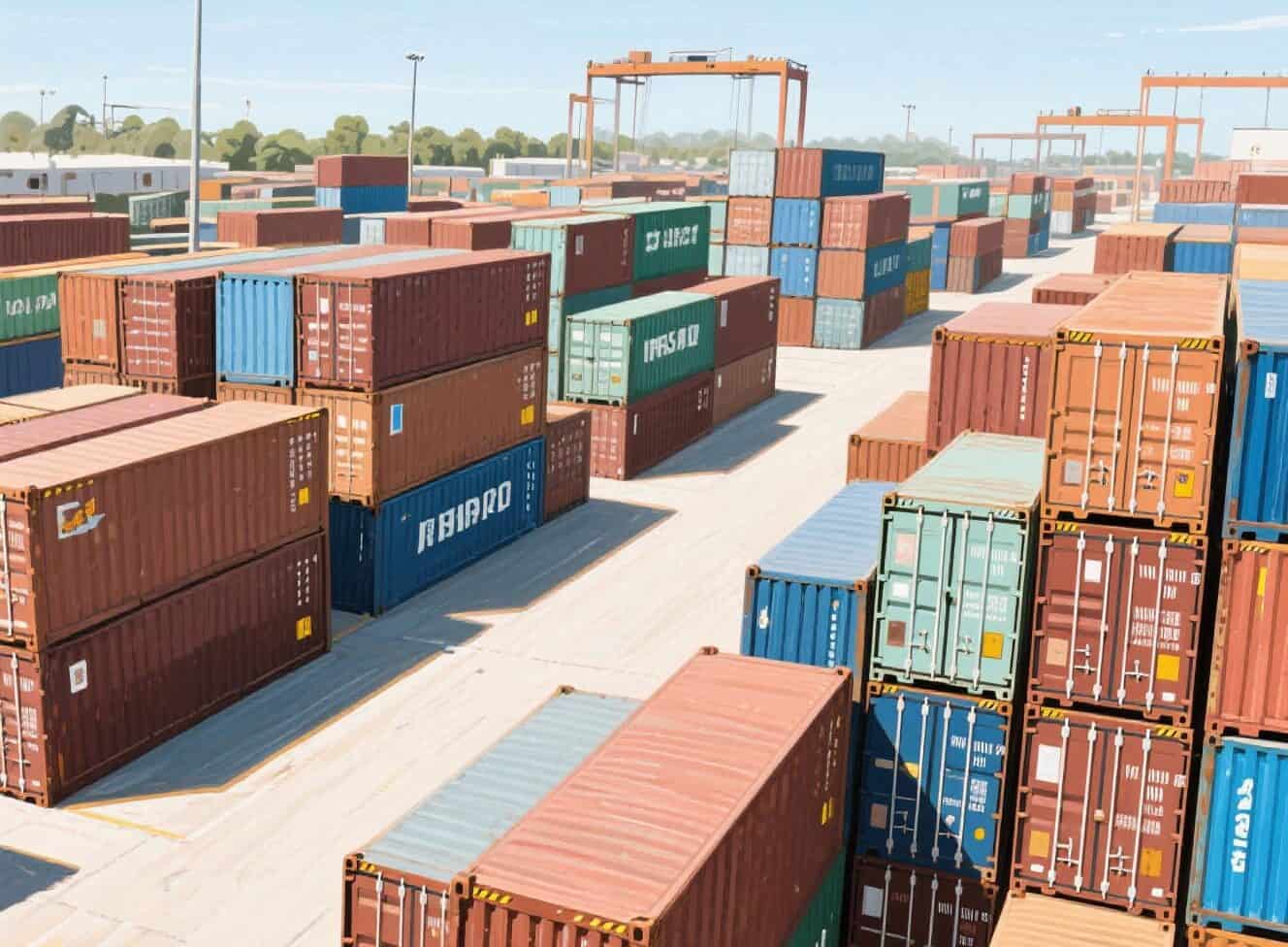
Container Lift Types and Functions
| Lift Equipment | Typical Use | Mobility | Stack Height | Operational Benefit |
|---|---|---|---|---|
| Reach stacker | Rail or yard handling | High | 4–5 units | Flexible reach distance |
| Gantry crane | Port terminals | Fixed rails or wheels | 5–6 units | High throughput |
| Straddle carrier | Yard transfer | Self‑drive | 3–4 units | No external crane needed |
| Mobile crane with spreader | Construction or repurposing sites | High mobility | 1–2 units | Ideal for loading used containers |
When we relocate used containers to customers, a single mobile crane does the lift. That one motion connects the shipping world with a construction site or retail project—it’s how global logistics turns into local transformation.
Conclusion
At TRUSUS, I see lifting machines as more than steel and hydraulics. They form the physical network that lets every container move, trade, and restart its value—from seaport rhythm to inland renewal.
