




What to Know When Buying a Shipping Container?
When buying a shipping container, evaluate structural integrity through corner posts and floor beams, verify CSC certification status, assess corrosion levels, test door sealing mechanisms, and understand intended use requirements for informed purchasing decisions.
Structural assessment requires corner post inspection for vertical load-bearing capacity and stacking strength. CSC certification validity determines transport eligibility and resale value potential. Corrosion evaluation covers surface rust versus structural penetration impact. Door mechanism functionality affects security and weather sealing performance. Interior condition assessment includes flooring integrity and cargo securement point status for operational readiness evaluation.
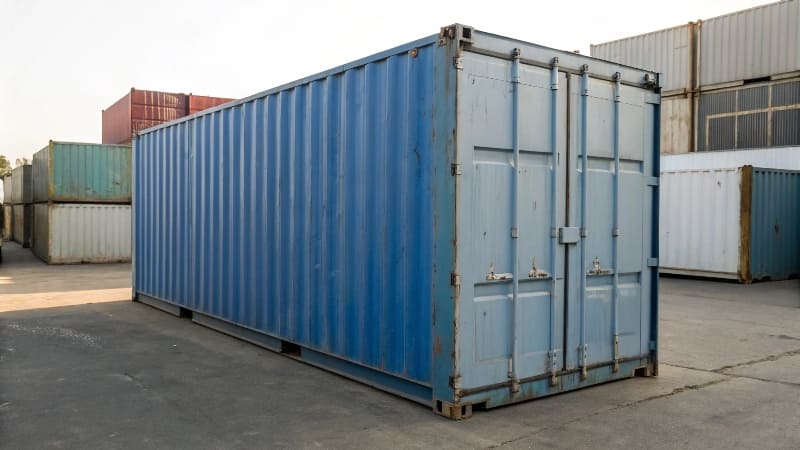
From my extensive experience in both new and used container sales, I've observed that buyers often focus on superficial appearance while missing critical structural and functional elements that determine long-term value and usability.
How to Inspect a Shipping Container?
Systematic container inspection follows structured evaluation of exterior condition, interior integrity, door functionality, structural components, and certification documentation to ensure purchase quality and operational suitability.
Exterior inspection covers paint condition and rust penetration depth using magnetic thickness gauge. Interior assessment examines floor planks for moisture damage and structural soundness. Door inspection tests hinges and locking mechanism operation plus rubber seal condition. Structural evaluation focuses on corner posts and bottom rails for load-bearing integrity. Documentation review confirms CSC plates and inspection history records for certification compliance.
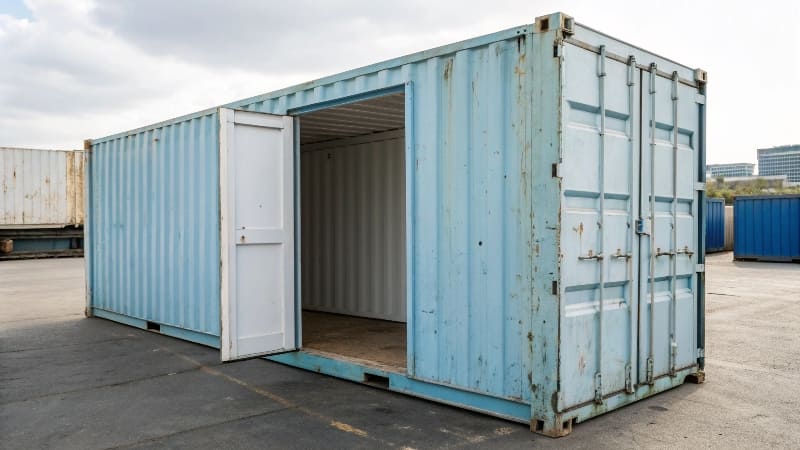
Exterior Inspection Protocol
Comprehensive exterior evaluation identifies structural and cosmetic issues affecting container value.
| Inspection Area | Check Points | Assessment Tools | Warning Signs | Impact Level |
|---|---|---|---|---|
| Corner Posts | Vertical alignment, weld integrity | Level, visual inspection | Bowing, crack lines | Critical |
| Side Panels | Dent depth, hole presence | Measuring tape | >25mm dents, punctures | Moderate |
| Roof Condition | Water pooling, panel integrity | Flashlight, moisture meter | Standing water, soft spots | High |
| Paint System | Coverage uniformity, rust bleeding | Visual assessment | 30%+ bare metal | Moderate |
| Bottom Rails | Straightness, corrosion level | Straight edge, wire brush | Visible thinning | Critical |
Corner post integrity represents the most critical structural element requiring careful evaluation.
Interior Assessment Checklist
Interior condition directly impacts usability and modification potential for purchased containers.
| Interior Component | Inspection Method | Quality Indicators | Problem Signs | Repair Difficulty |
|---|---|---|---|---|
| Floor Planks | Weight test, moisture meter | Solid feel, dry reading | Soft spots, water stains | High |
| Cargo Rings | Pull test, visual inspection | Secure mounting | Loose fasteners | Low |
| Interior Walls | Panel tapping, light test | Solid sound, no light leaks | Hollow sound, light penetration | Moderate |
| Ceiling Condition | Overhead inspection | Clean, dry surface | Water stains, condensation | Moderate |
| Ventilation | Airflow check | Clear openings | Blocked vents | Low |
Floor plank condition often indicates overall container maintenance history and structural integrity.
Door System Evaluation
Door functionality affects security, weather sealing, and operational convenience.
| Door Component | Testing Procedure | Performance Standard | Failure Indicators | Safety Impact |
|---|---|---|---|---|
| Hinge Operation | Full swing test | Smooth movement | Binding, grinding | Moderate |
| Locking Bars | Engagement test | Complete closure | Partial engagement | High |
| Rubber Seals | Compression check | Uniform contact | Gaps, hardening | High |
| Cam Levers | Adjustment test | Proper tension | Loose operation | Moderate |
| Strike Plates | Alignment check | Centered contact | Misalignment | Low |
Rubber seal condition directly determines weather resistance and cargo protection capability.
What are the Warning Signs on Shipping Containers?
Container warning signs include structural deformation, extensive corrosion penetration, door sealing failures, expired certifications, interior moisture damage, and improper previous modifications indicating potential safety or functional compromises.
Structural red flags include corner post bowing and bottom rail thinning beyond 10% original thickness. Corrosion warnings involve rust penetration creating holes or significant metal loss. Sealing problems show water stains or daylight visibility through door seals. Certification issues include expired CSC plates or missing inspection documentation. Modification concerns involve unauthorized welding or structural alterations affecting load capacity.

Critical Structural Warning Signs
Structural compromises represent the most serious container condition problems.
| Warning Sign | Visual Indicators | Measurement Criteria | Safety Impact | Purchase Decision |
|---|---|---|---|---|
| Corner Post Bowing | Visible curve, gap at top | >6mm deviation | Critical | Avoid purchase |
| Floor Sagging | Downward curve | >25mm depression | High | Major repair needed |
| Side Panel Buckling | Inward/outward distortion | Panel out of plane | Moderate | Negotiate price |
| Roof Deformation | Visible waves, dips | Water pooling areas | Moderate | Repair required |
| Door Frame Distortion | Gap inconsistency | >3mm variation | High | Sealing problems |
Corner post problems indicate potential structural failure and should typically result in purchase rejection.
Corrosion Assessment Levels
Different corrosion levels require varying approaches and investment considerations.
| Corrosion Level | Description | Thickness Loss | Treatment Required | Value Impact |
|---|---|---|---|---|
| Surface Rust | Orange discoloration | <10% thickness | Wire brush, repaint | Minimal |
| Moderate Corrosion | Flaking, pitting | 10-25% thickness | Grind, treat, repaint | 10-20% reduction |
| Heavy Corrosion | Visible thinning | 25-50% thickness | Patch, reinforce | 30-50% reduction |
| Penetrating Rust | Holes, structural loss | >50% thickness | Major repair/replacement | 60-80% reduction |
| Structural Failure | Load-bearing compromise | Critical thinning | Uneconomical repair | Reject purchase |
Penetrating rust often makes containers unsuitable for most commercial applications.
Certification and Documentation Red Flags
Missing or invalid certifications create legal and practical use limitations.
| Documentation Issue | Implications | Resolution Options | Cost Impact | Use Restrictions |
|---|---|---|---|---|
| Expired CSC Plate | No transport authorization | Recertification inspection | $200-500 | Shipping prohibited |
| Missing Data Plates | Unknown specifications | Research manufacturer records | Time/cost variable | Value uncertainty |
| Modification Records | Structural integrity questions | Engineering assessment | $500-2000 | Load limits unclear |
| Previous Damage History | Hidden problem potential | Detailed inspection | Variable | Insurance issues |
| Hazmat Exposure | Contamination concerns | Professional testing | $1000-5000 | Health/safety risks |
Missing CSC certification severely limits container utility and resale value.
Are Used 20ft Containers Worth Buying?
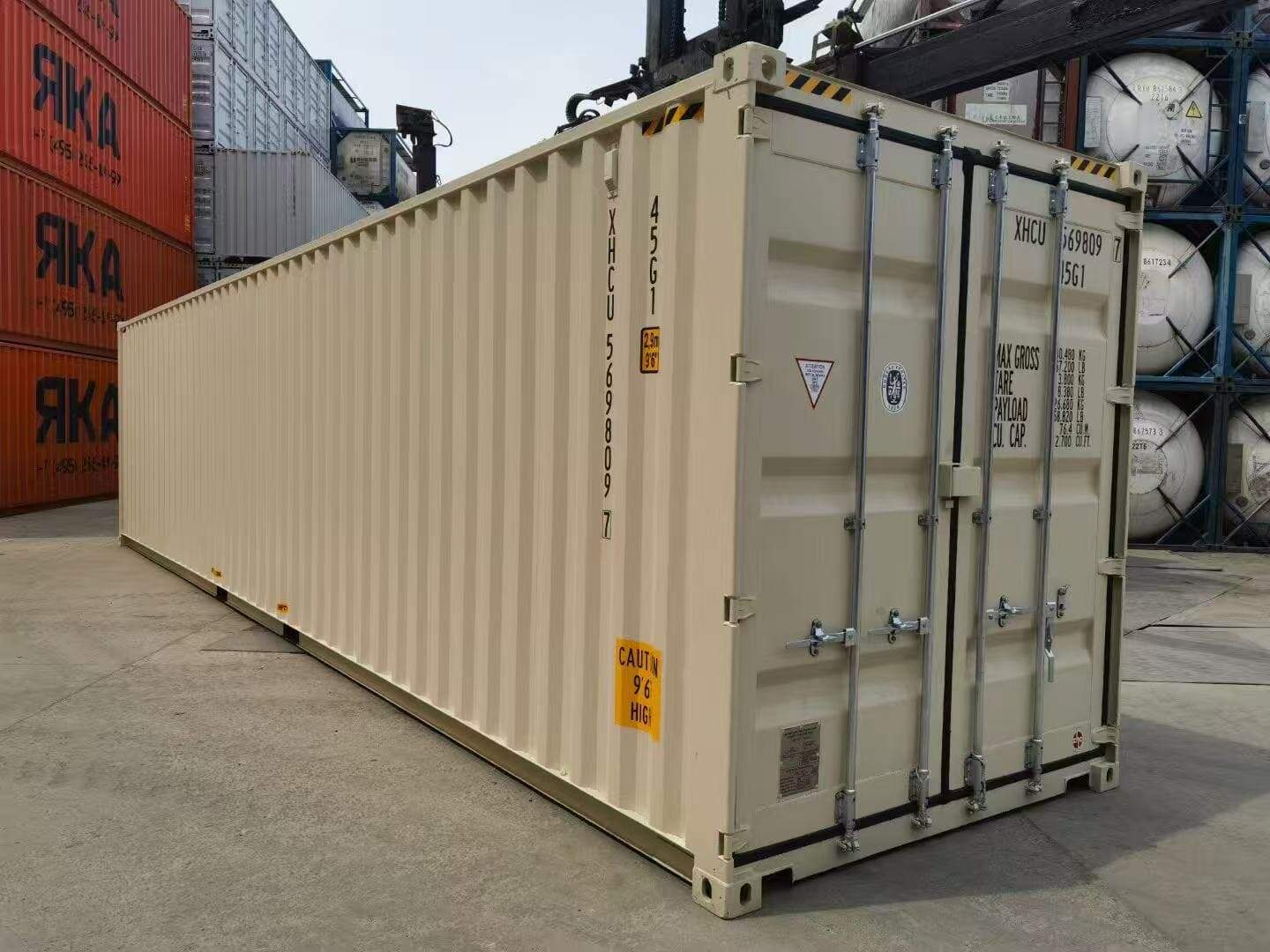
Used 20ft containers offer excellent value when purchased strategically, providing 80-90% of new container functionality at 40-60% of new prices, making them ideal for storage, modification projects, and short-term shipping applications.
Purchase value depends on condition grade with high-grade used containers offering 15-20 year remaining lifespan. Cost savings range 40-60% versus new containers while maintaining 80-90% functionality. 20ft size provides optimal portability for residential and small commercial applications. Modification potential creates additional value through workshop, office, or storage conversion. Resale market remains strong for well-maintained containers providing asset appreciation potential.
Cost-Benefit Analysis by Container Grade
Different container grades offer varying value propositions for buyers.
| Container Grade | Purchase Price | Condition Description | Expected Lifespan | Best Applications |
|---|---|---|---|---|
| Premium Used | $3,000-4,000 | Like-new appearance | 15-20 years | Conversion projects |
| Standard Used | $2,000-3,000 | Good condition, minor wear | 10-15 years | Storage, workshops |
| Economy Used | $1,200-2,000 | Functional, cosmetic issues | 5-10 years | Temporary storage |
| As-Is Used | $800-1,200 | Repair needed | Variable | Parts, scrap |
| New Container | $5,000-6,500 | Perfect condition | 25+ years | Commercial shipping |
Standard used containers typically offer the best value balance for most buyers.
20ft Container Advantages
Specific benefits make 20ft containers particularly attractive for many applications.
| Advantage Factor | Specific Benefits | Practical Applications | Market Value | User Preference |
|---|---|---|---|---|
| Size Optimization | Fits standard lots | Residential placement | High demand | Homeowners |
| Transport Flexibility | Standard truck delivery | Easy relocation | Moderate cost | Mobile applications |
| Modification Ease | Manageable project scale | DIY conversions | Value-added | Hobbyists |
| Permit Simplicity | Reduced regulations | Faster approvals | Lower barriers | Small business |
| Resale Liquidity | Strong secondary market | Investment recovery | Good retention | Investors |
Size optimization makes 20ft containers ideal for residential and small commercial applications.
Investment Return Potential
Well-selected used containers can provide positive investment returns through various strategies.
| Investment Strategy | Initial Cost | Revenue Potential | Payback Period | Risk Level |
|---|---|---|---|---|
| Rental Storage | $2,500 | $100-200/month | 12-25 months | Low |
| Conversion Resale | $4,000-8,000 | $8,000-15,000 | 18-36 months | Moderate |
| Mobile Business | $5,000-10,000 | $500-2,000/month | 6-20 months | Moderate |
| Long-term Hold | $2,000-3,000 | $3,000-4,000 | 5-10 years | Low |
| Scrap Recovery | Variable | $300-800 | Immediate | High |
Rental storage provides the most predictable return on investment for container purchases.
Application Suitability Assessment
Different applications favor used containers based on specific requirements and constraints.
| Application Type | Suitability Rating | Critical Requirements | Budget Considerations | Success Factors |
|---|---|---|---|---|
| Personal Storage | Excellent | Weather resistance | Low initial cost | Proper placement |
| Workshop Space | Excellent | Structural integrity | Modification budget | Ventilation planning |
| Pop-up Retail | Good | Appearance quality | Mobility requirements | Location flexibility |
| Shipping Use | Variable | CSC certification | Total cost analysis | Route requirements |
| Permanent Building | Fair | Foundation requirements | Code compliance | Professional design |
Personal storage and workshop applications show highest success rates with used container purchases.
Conclusion
When buying a shipping container, evaluate structural integrity through corner posts and verify CSC certification status while assessing corrosion levels and testing door sealing mechanisms for informed purchasing decisions. Systematic container inspection follows structured evaluation of exterior condition and interior integrity plus door functionality testing and certification documentation review to ensure purchase quality. Container warning signs include structural deformation and extensive corrosion penetration plus door sealing failures and expired certifications indicating potential safety or functional compromises. Used 20ft containers offer excellent value when purchased strategically providing 80-90% functionality at 40-60% of new prices making them ideal for storage, modification projects, and short-term applications. Success with container purchases requires understanding that containers represent long-term assets rather than simple storage boxes, with optimal value achieved through careful condition assessment, proper application matching, and recognition that well-selected used containers can provide 10-20 year service life while offering modification potential and strong resale value in growing secondary markets.
