




What Shouldn't You Store in a Shipping Container?
Many people assume shipping containers can safely store any materials without understanding storage limitations and safety risks. Recognizing inappropriate storage items prevents damage, safety hazards, and legal complications while optimizing container use for suitable applications.
Avoid storing hazardous chemicals, flammable materials, perishable foods, valuable electronics without climate control, living animals, illegal substances, and items requiring stable temperatures, as containers lack ventilation, temperature control, and safety features for these materials.
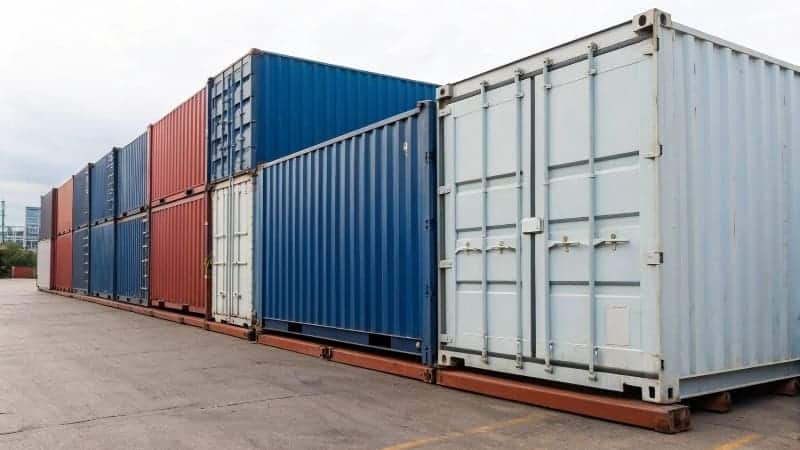
Through decades of container sales and working with customers on storage applications, I learned that understanding storage limitations prevents costly mistakes while ensuring safety and compliance with regulations governing container use and material storage.
Is it Safe to Store Furniture in a Shipping Container?
Understanding furniture storage requirements helps optimize container use while preventing damage and safety issues. Furniture storage involves specific challenges related to moisture control, temperature fluctuations, and access requirements that affect storage success.
Furniture storage in shipping containers works well with proper preparation including moisture control, climate considerations, protective covering, and access planning, though valuable antiques or moisture-sensitive pieces may require climate-controlled alternatives for optimal preservation.
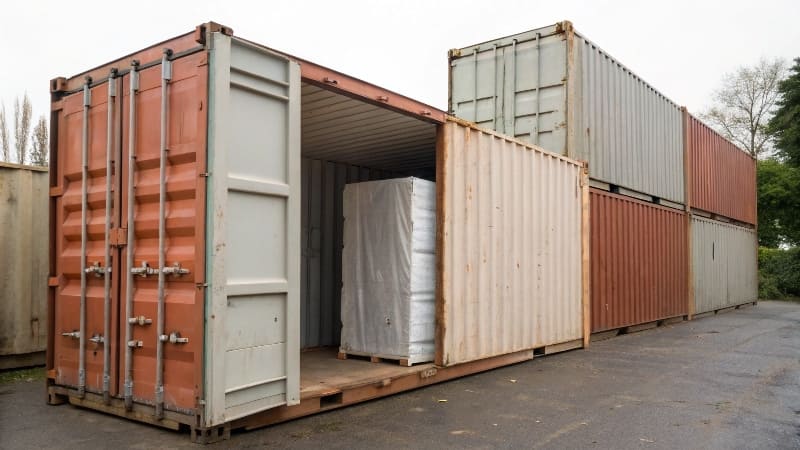
Comprehensive Furniture Storage Analysis and Optimization Strategies
Furniture storage in shipping containers requires understanding both container characteristics and furniture protection needs to prevent damage and ensure successful storage outcomes. During my experience working with customers storing household goods and commercial furniture, I learned that proper preparation makes container storage highly effective while neglecting key factors leads to expensive damage.
Moisture control represents the primary challenge for furniture storage since containers can develop condensation from temperature fluctuations that damage wood, fabric, and metal components. Proper moisture prevention includes desiccants, vapor barriers, ventilation improvements, and moisture monitoring systems that maintain dry conditions throughout storage periods.
Temperature fluctuations affect furniture materials differently with wood expanding and contracting, metal components potentially condensing moisture, and adhesives potentially failing under extreme conditions. Understanding local climate patterns helps plan appropriate protection measures including insulation, ventilation, or climate control systems.
Container preparation for furniture storage includes cleaning, moisture treatment, flooring protection, and ventilation modifications that create suitable storage environments. Proper preparation prevents contamination, pest issues, and moisture problems that can damage stored furniture significantly.
Furniture protection methods include protective wrapping, elevation from floors, spacing for air circulation, and protective covers that prevent scratches, moisture contact, and pest damage. Individual piece protection combined with proper container environment creates optimal storage conditions.
Access planning considers loading sequences, item placement, and retrieval requirements that affect storage organization and efficiency. Poor access planning can make stored items inaccessible or require extensive reorganization to retrieve specific pieces, reducing storage effectiveness.
Ventilation requirements vary by climate and storage duration with longer storage periods requiring more attention to air circulation and moisture control. Passive ventilation through vents or active systems help maintain appropriate conditions while preventing stagnant air that promotes mold and mildew growth.
Insurance considerations for furniture storage may require specific coverage for container storage situations and environmental risks that differ from traditional warehouse storage. Understanding insurance requirements and coverage limitations helps protect valuable furniture investments during storage periods.
Loading and unloading procedures affect furniture safety through proper equipment use, careful handling, and damage prevention techniques. Professional loading services may justify their cost through damage prevention and efficient space utilization that maximizes container capacity.
Duration considerations affect storage planning since short-term storage may require less environmental control while long-term storage needs comprehensive protection systems. Understanding storage timeline helps optimize protection investments while ensuring adequate furniture preservation.
Value assessment helps determine appropriate protection levels with valuable antiques requiring different treatment than everyday furniture pieces. Cost-benefit analysis of protection measures versus furniture value guides rational storage planning decisions.
| Furniture Type | Storage Suitability | Key Considerations | Protection Requirements |
|---|---|---|---|
| Wooden furniture | Good with protection | Moisture control critical | Desiccants, vapor barriers |
| Upholstered items | Moderate | Fabric moisture sensitivity | Protective covering, air circulation |
| Metal furniture | Good | Condensation concerns | Rust prevention, moisture control |
| Antique/valuable pieces | Requires careful evaluation | Climate sensitivity | Professional assessment recommended |
| Electronics/appliances | Poor without climate control | Temperature/humidity sensitive | Climate control or alternative storage |
| Mattresses | Poor | Moisture and pest concerns | Not recommended for container storage |
Is it Legal to Live in a Shipping Container?
Understanding container housing legality helps navigate regulatory requirements and zoning restrictions that affect container home projects. Legal compliance varies significantly by jurisdiction and requires careful planning to ensure successful container housing development.
Container living legality depends on local building codes, zoning regulations, and permit requirements that vary widely by jurisdiction, with some areas embracing container homes while others prohibit or heavily restrict residential container use through regulatory barriers.
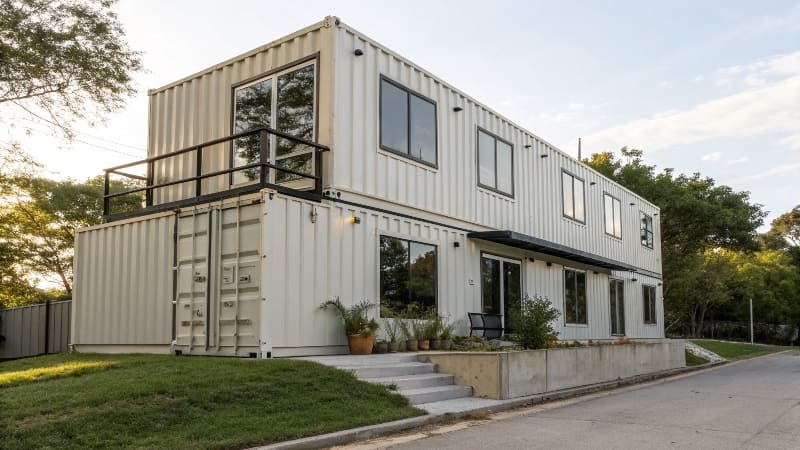
Regulatory Landscape Analysis and Compliance Strategies
Container housing legality involves complex interactions between building codes, zoning regulations, and local policies that vary significantly across different jurisdictions. During my experience working with customers planning container home projects, I learned that understanding regulatory requirements early in the planning process prevents costly mistakes and project failures.
Building code compliance represents the primary legal challenge for container homes since most codes were written for traditional construction methods and may not address container-specific issues. Code compliance typically requires structural engineering, insulation upgrades, electrical and plumbing systems, and safety features that meet residential building standards.
Zoning restrictions affect where container homes can be located with some areas prohibiting alternative construction while others embrace innovative housing solutions. Zoning considerations include residential use permissions, setback requirements, height restrictions, and aesthetic guidelines that affect container home feasibility.
Permit requirements for container homes often follow standard residential building permit processes but may require additional documentation including structural engineering reports, architectural drawings, and compliance demonstrations for non-traditional construction methods. Permit costs and timelines vary significantly by jurisdiction.
Foundation requirements typically mandate permanent foundations that meet local building codes rather than allowing containers to sit directly on ground surfaces. Foundation requirements affect project costs and complexity while ensuring structural integrity and code compliance.
Utility connections require standard electrical, plumbing, and HVAC systems that meet residential building codes regardless of container construction methods. Professional installation and inspection ensure safety and code compliance while enabling connection to municipal utilities.
Insurance availability for container homes varies by insurer and location with some companies embracing alternative construction while others may refuse coverage or charge higher premiums. Insurance considerations affect financing options and overall project feasibility.
Financing challenges may limit container home projects since some lenders are unfamiliar with alternative construction methods or may not provide mortgages for container homes. Understanding financing options helps plan project funding and may influence design decisions.
Professional consultation with local building officials, architects familiar with container construction, and attorneys specializing in building law helps navigate regulatory requirements while ensuring compliant project development. Professional guidance prevents costly mistakes and regulatory violations.
Success strategies include researching local regulations thoroughly, engaging with building officials early, working with experienced professionals, and considering established container-friendly communities that have addressed regulatory challenges successfully.
Regional variations create significantly different regulatory environments with some states and municipalities actively supporting alternative housing while others maintain restrictive approaches. Understanding regional attitudes helps guide location selection and project planning.
| Regulatory Factor | Compliance Difficulty | Cost Impact | Success Strategy |
|---|---|---|---|
| Building codes | High | Moderate-High | Professional engineering and design |
| Zoning restrictions | Variable | Low-High | Early consultation with planning officials |
| Permit requirements | Moderate | Moderate | Standard residential permit process |
| Foundation codes | Moderate | Moderate | Professional foundation design |
| Utility connections | Low | Moderate | Licensed contractor installation |
| Insurance availability | Variable | Low-High | Shop multiple insurers |
Why Shouldn't You Live in a Shipping Container?
Understanding container living challenges helps make informed decisions about alternative housing options. Container homes face specific limitations and drawbacks that may not suit all lifestyles, climates, or personal preferences despite their growing popularity.
Container living challenges include limited space, temperature control difficulties, condensation problems, zoning restrictions, financing limitations, and potential health concerns from untreated containers, though many challenges can be addressed through proper conversion and design approaches.
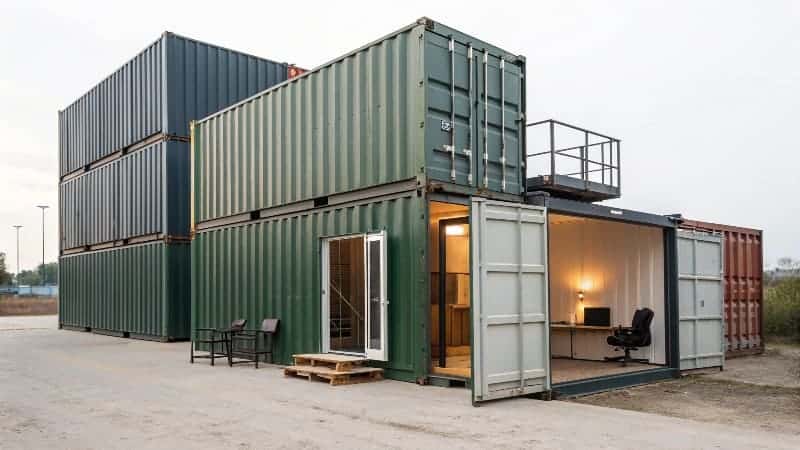
Comprehensive Challenge Analysis and Mitigation Strategies
Shipping container living involves specific challenges that potential residents should understand before committing to container home projects. During my experience working with customers considering container conversions, I learned that honest discussion of limitations helps ensure successful projects while preventing unrealistic expectations and costly mistakes.
Space limitations represent the most obvious container living challenge since standard containers provide only 160-320 square feet of floor space that may feel cramped for many people. Space efficiency becomes critical requiring careful design, multi-functional furniture, and lifestyle adjustments that may not suit all individuals or families.
Temperature control difficulties arise from steel construction that conducts heat and cold efficiently, creating uncomfortable interior conditions without proper insulation and climate control systems. Container homes in extreme climates require significant insulation investments and powerful HVAC systems that increase construction and operating costs.
Condensation problems develop when warm interior air contacts cold steel surfaces, creating moisture that can promote mold growth, corrosion, and unhealthy indoor air quality. Proper vapor barriers, ventilation systems, and insulation design prevent condensation issues but require professional installation and ongoing maintenance.
Structural modifications for windows, doors, and utilities can compromise container strength unless properly engineered and reinforced. Cutting container walls requires structural analysis and reinforcement that add complexity and cost to conversion projects while ensuring safety and building code compliance.
Chemical treatment concerns arise from shipping container floors and walls that may contain pesticides, formaldehyde, or other chemicals used to prevent pest infestations during cargo transport. Proper cleaning, sealing, or floor replacement eliminates chemical exposure risks but requires professional assessment and remediation.
Narrow width limitations from standard 8-foot container width create challenging room layouts and may feel claustrophobic compared to traditional housing. Width restrictions affect furniture placement, room functionality, and overall comfort levels that may not suit all lifestyle preferences.
Resale value uncertainty affects container homes since limited market acceptance and financing availability may reduce resale potential compared to traditional construction. Investment considerations should account for potential resale challenges and market acceptance in specific locations.
Social acceptance varies widely with some communities embracing alternative housing while others may view container homes negatively. Community acceptance affects daily living experience and may influence property values in surrounding areas.
Utility connection challenges may increase costs and complexity for electrical, plumbing, and HVAC installations in container structures compared to traditional construction methods. Professional installations ensure safety and code compliance while potentially increasing project costs.
Maintenance requirements for container homes include regular inspection and treatment of steel surfaces, seal maintenance, and specialized system care that may differ from traditional home maintenance. Understanding maintenance needs helps plan ongoing costs and care requirements.
| Challenge Category | Severity Level | Mitigation Approach | Cost Impact |
|---|---|---|---|
| Limited space | High | Efficient design, multi-use areas | Low-Moderate |
| Temperature control | High | Insulation, HVAC systems | High |
| Condensation issues | Moderate-High | Proper ventilation, vapor barriers | Moderate |
| Structural modifications | High | Professional engineering | Moderate-High |
| Chemical contamination | Moderate | Professional cleaning/sealing | Low-Moderate |
| Zoning restrictions | Variable | Location selection, permits | Variable |
| Financing difficulties | Moderate-High | Alternative lenders, cash purchase | Low-High |
| Resale concerns | Moderate | Quality construction, documentation | Variable |
Conclusion
Shipping containers shouldn't store hazardous materials, perishables, or temperature-sensitive items without modification, while furniture storage works well with moisture control, and container living requires proper permits, professional conversion, and realistic expectations about space, climate, and regulatory challenges.
