




What Makes a Shipping Container Strong?
A shipping container is strong because of its integrated frame structure, corrugated steel panels, and welded corner assemblies. The design forms a continuous load path from floor to roof, allowing it to resist heavy stacking, crane lifting, and sea movement.
TRUSUS engineering insight: container strength comes from geometry and connection, not just steel thickness.
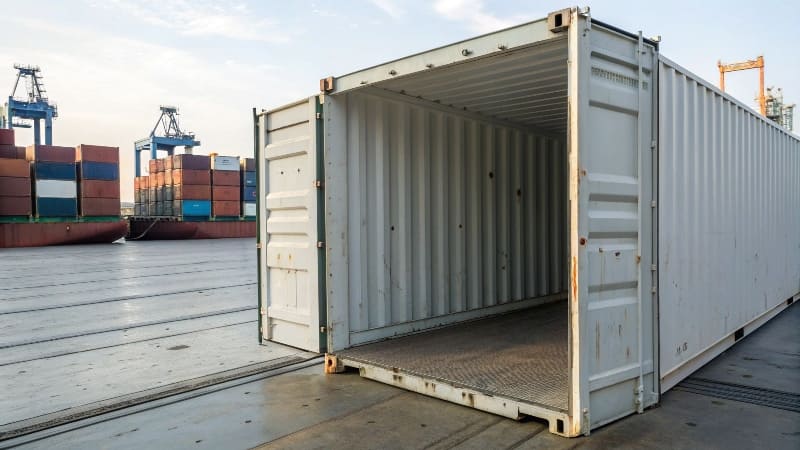
The strength lies in how the frame, panels, and welds combine—each part supports the other, creating a rigid unit that behaves like one solid body under pressure.
How to Strengthen a Shipping Container?
To strengthen a shipping container, reinforce its cutout areas, add support ribs, and line interior walls with structural framing. Strengthening focuses on restoring the original load paths affected by modifications such as doors, windows, or openings.
TRUSUS structural insight: reinforcement restores stress continuity rather than adds extra weight.

Structural Reinforcement Methods
| Area | Action | Purpose |
|---|---|---|
| Wall Cutouts | Add steel box frames around openings | Restore lateral stiffness |
| Roof | Weld cross beams or plates | Improve load distribution from stacking |
| Base | Insert reinforced floor frame | Enhance bearing capacity |
| Corners | Double corner posts or add gussets | Strengthen vertical load paths |
| Interior | Build secondary metal framework | Support fixtures and insulation layers |
Effective reinforcement always respects the container’s load transfer pattern; random welding or plating can distort stresses and reduce durability.
What Metal Is Used in Shipping Containers?
Shipping containers are made from Corten steel (weathering steel). This alloy contains copper, chromium, and nickel, forming a protective oxide layer when exposed to air. The layer prevents deeper corrosion and reduces maintenance during its service life.
TRUSUS material insight: the container’s toughness is a chemical balance between steel and environment.
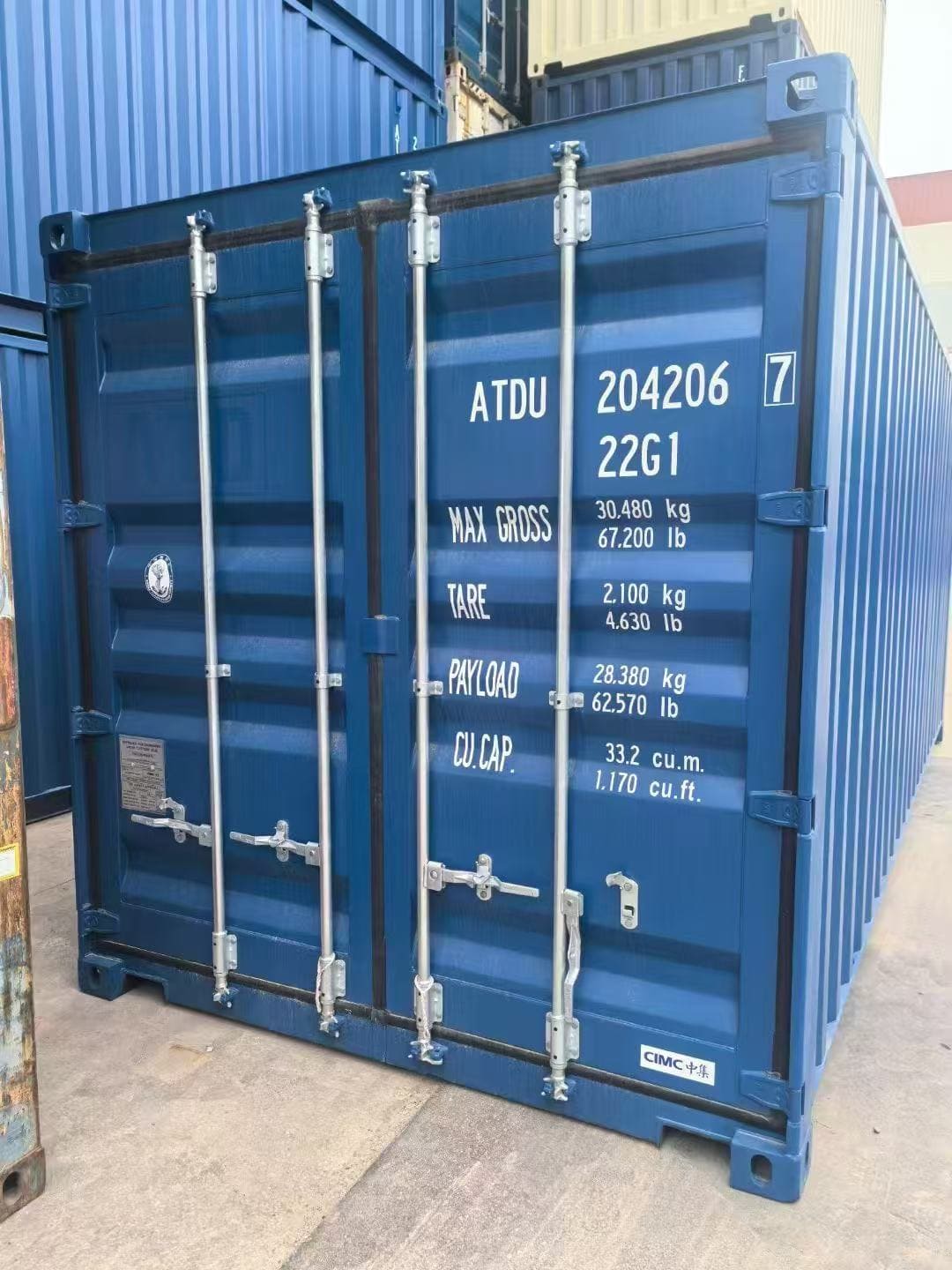
Corten Steel Composition Overview
| Alloy Element | Function | Result |
|---|---|---|
| Copper (Cu) | Forms durable oxide coating | Stops active rust |
| Chromium (Cr) | Adds hardness and corrosion resistance | Delays surface wear |
| Nickel (Ni) | Improves toughness in cold environments | Extends lifespan at sea |
| Iron (Fe) | Base structure | Provides strength and weldability |
Thanks to this alloy, containers endure salt, moisture, and thermal cycles without traditional paint or heavy coatings.
What Gauge Steel Is Used for Shipping Containers?
The typical gauge for container steel panels is 14 – 12 gauge (about 1.6 – 2.0 mm thick). The frame and corner posts use thicker steel sections, up to 8 – 10 gauge (3 – 4 mm), for extra compression resistance.
TRUSUS design insight: strength does not rise linearly with thickness—it comes from how steel and shape work together.

Steel Thickness Reference Table
| Component | Gauge | Approx. Thickness | Function |
|---|---|---|---|
| Side/End Panels | 14 gauge | 1.6 mm | Resists wind and side impact |
| Roof Panel | 14 gauge | 1.6 mm | Protects from rain and sun load |
| Floor Cross Members | 10 gauge | 3.4 mm | Carries pallet and cargo weight |
| Corner Posts | 8 gauge | 4.0 mm | Handles stacking compression |
| Door Frames | 10 gauge | 3.4 mm | Maintains shape during operation |
Each section balances weight and rigidity—the science of efficiency defines the container’s long‑term strength.
Conclusion
At TRUSUS, I see container strength as more than physical toughness; it is an engineered system that unites material, form, and connection. Whether used at sea or repurposed on land, a container’s durability depends on respect for its original structure—its steel logic designed for global resilience.
