




What Kind of Paint Do You Use on a Shipping Container?
Use industrial‑grade epoxy primer followed by polyurethane topcoat.
This combination forms a corrosion‑resistant barrier that endures harsh marine air, UV exposure, and thermal expansion.
TRUSUS coating insight: the right paint doesn’t just color steel—it extends its life.
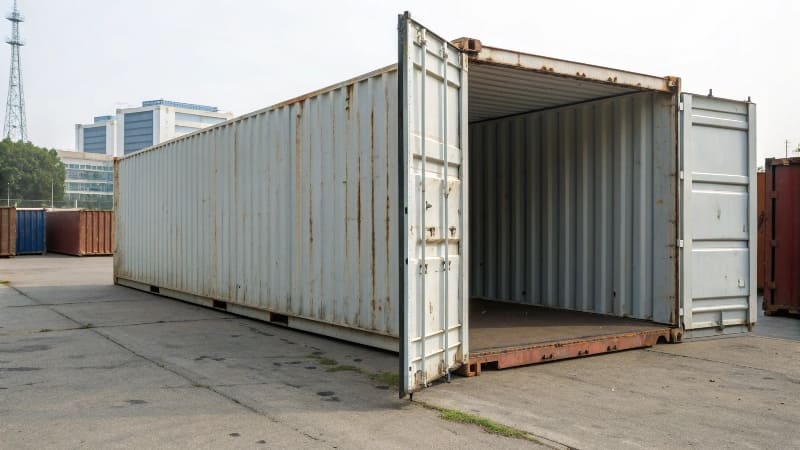
Epoxy adheres directly to Corten steel, sealing tiny surface pores from moisture. Polyurethane creates a glossy, flexible shield that resists salt and sunlight. Together, they preserve the container’s structural and economic value.
Recommended Paint System Table
| Paint Type | Function | Typical Coat Thickness | Durability |
|---|---|---|---|
| Epoxy Primer | Anti‑corrosion base layer | 75–100 μm | Strong adhesion |
| Polyurethane Topcoat | UV and weather protection | 50–75 μm | Gloss & fade resistance |
| Zinc‑Rich Primer (optional) | Extra protection for marine zones | 50–75 μm | Extended rust control |
| Acrylic Finish (optional) | Decorative, lighter duty | 40–60 μm | Short‑term projects |
Is It Okay to Paint a Shipping Container?
Yes, painting a shipping container is recommended as part of routine maintenance.
Repainting prevents surface oxidation, seals joints, and refreshes both appearance and value.
TRUSUS maintenance insight: painting isn’t decoration—it’s protection against time.
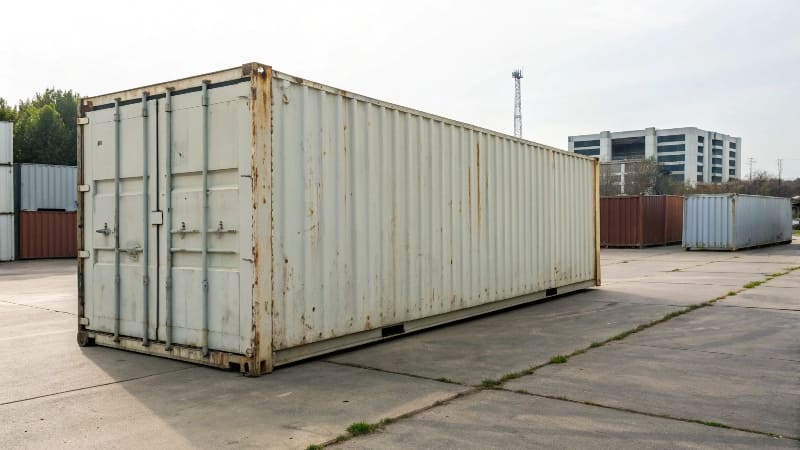
Regular paint renewal helps maintain weld seams, corners, and roof panels that face most weather stress. Using compatible coatings ensures the steel breathes through temperature shifts without cracking.
Maintenance Benefits
| Purpose | Result | Frequency |
|---|---|---|
| Corrosion Protection | Prolongs steel life | Every 5–7 years |
| Aesthetic Restoration | Improves resale potential | As needed |
| Structural Preservation | Prevents rust expansion | Before visible oxidation |
| Custom Design | Converts units for housing or retail | Per project |
Painting keeps containers in operational condition much longer than untreated steel.
How Much Paint Do I Need to Paint a 20ft Shipping Container?
A standard 20‑foot container requires about 20 liters of primer and 30 liters of topcoat for full exterior coverage.
This estimate covers an area of roughly 30–35 square meters per coat.
TRUSUS field insight: every liter counts when each layer equals an extra year of durability.
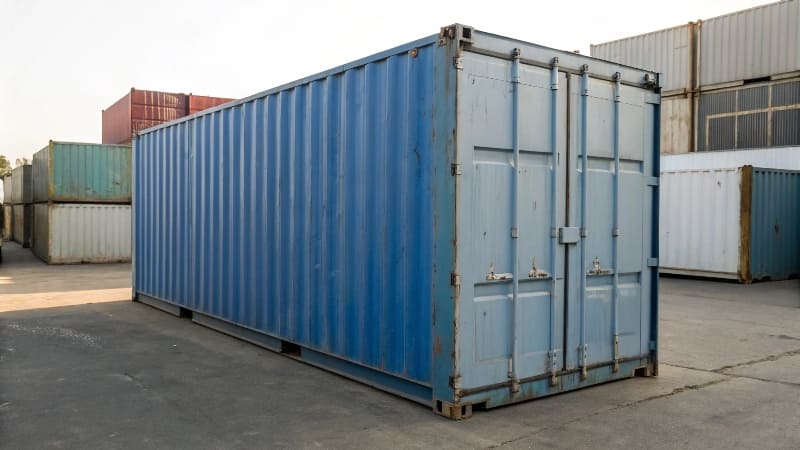
Paint Quantity Estimates
| Container Size | Surface Area | Primer Needed | Topcoat Needed | Total Paint |
|---|---|---|---|---|
| 20‑foot | 60–70 m² | ~20 L | ~30 L | ~50 L |
| 40‑foot | 130–140 m² | ~35 L | ~60 L | ~95 L |
| Modified (doors/windows) | +10–15% | Adjust accordingly | Adjust accordingly | Variable |
Extra paint may be needed for internal walls or structural reinforcement zones.
How to Prepare a Shipping Container for Painting?
Prepare by cleaning, removing rust, sanding, and priming before applying topcoat.
Skip none of these steps—the surface condition defines coating longevity.
TRUSUS surface insight: paint sticks only to care; neglect invites corrosion underneath.
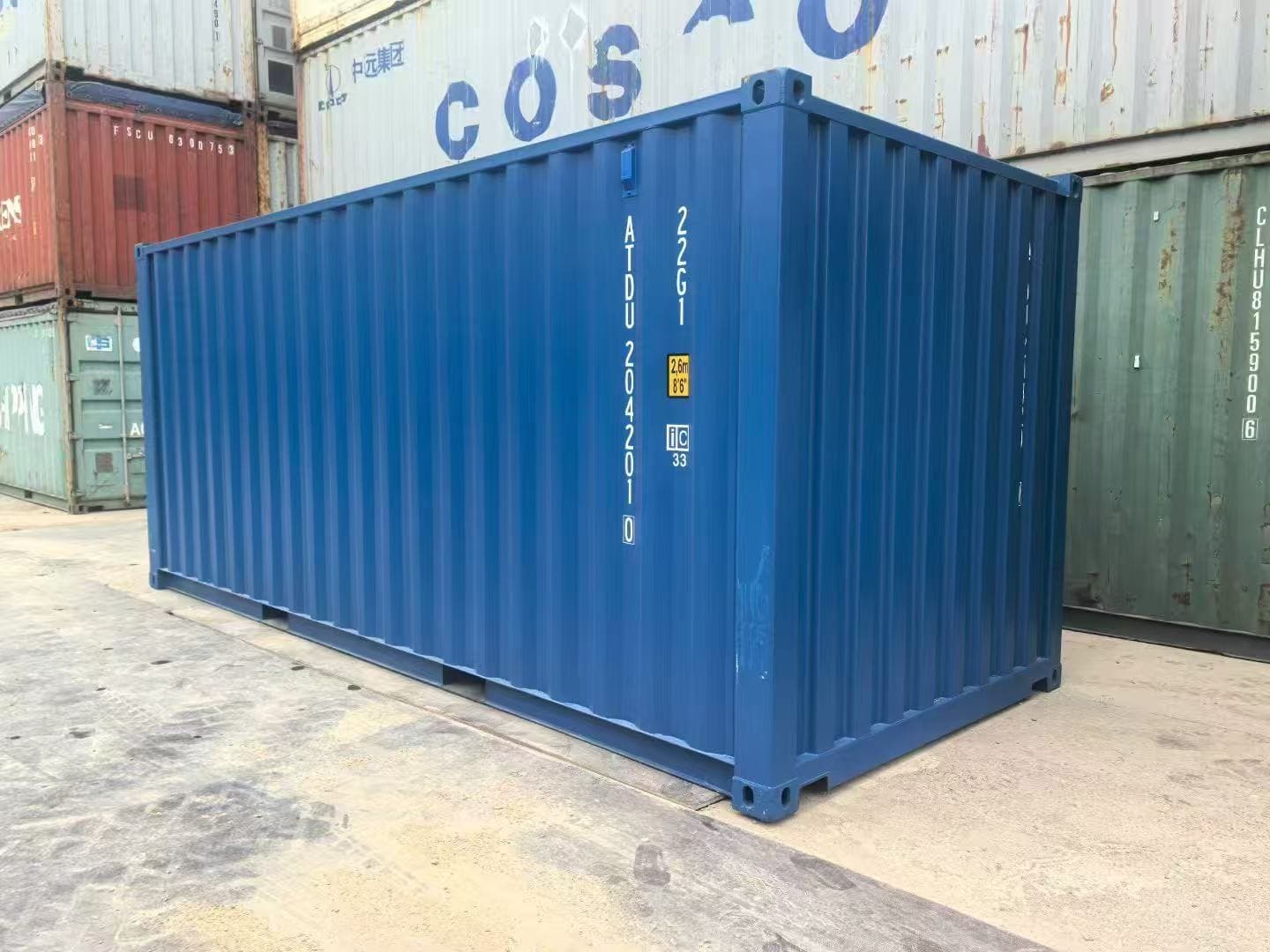
Paint Preparation Steps
| Step | Description | Purpose |
|---|---|---|
| 1 | Pressure wash exterior | Remove salt, oil, and debris |
| 2 | Use wire brushes or grinders | Eliminate rust and loose paint |
| 3 | Sand uneven patches | Create uniform adhesion surface |
| 4 | Apply epoxy primer coat | Protect steel and seal pores |
| 5 | Wait recommended curing time | Ensure full chemical bonding |
| 6 | Add polyurethane topcoat | Complete barrier and color layer |
Each layer becomes part of the container’s protection system—primer bonds to steel, topcoat shields against sun and rain, creating a long‑lasting defense.
Conclusion
At TRUSUS, I see container painting as a life extension act—not cosmetic work.
Every coat renews protection, restores value, and keeps steel alive against the elements.
