




What Kind of Foundation is Needed for a Container in Guyana?
Containers in Guyana require elevated concrete pier foundations with drainage channels, minimum 300mm height above grade for flood protection, reinforced concrete footings sized for soil bearing capacity of 100-150 kPa, proper spacing at container corner posts, and integrated drainage systems to handle 200-300mm annual rainfall with consideration for seasonal flooding and soft clay soil conditions.
Elevated concrete piers provide flood protection and ventilation while preventing moisture buildup and termite access to container structure. Minimum 300mm height ensures clearance above typical flood levels and allows airflow underneath for humidity control. Reinforced concrete footings sized for local soil conditions distribute container loads safely with steel reinforcement preventing settlement cracking. Proper spacing at container corner posts ensures structural integrity and load distribution across foundation system. Integrated drainage channels direct surface water away from foundation area preventing erosion and undermining.

From my extensive experience with container installations in tropical coastal environments, I've learned that proper foundation design is absolutely critical for long-term structural integrity and flood resilience in Guyana's challenging conditions.
How to Anchor a Container to Prevent Movement During Floods?
Anchor containers using galvanized steel twist-lock systems bolted to reinforced concrete foundations, install tie-down cables rated for 50kN tension connected to buried concrete deadmen anchors, add perimeter flood barriers directing water flow, elevate containers 500mm minimum above flood level, and incorporate breakaway utility connections preventing damage during buoyancy events.
Twist-lock anchoring systems provide secure connection between container corners and concrete foundations using galvanized hardware for corrosion resistance. Tie-down cables rated for 50kN tension create additional restraint against buoyancy forces during flood conditions. Buried concrete deadmen anchors provide substantial holding power against uplift forces from rising water. Elevated positioning 500mm minimum above design flood level reduces water contact and buoyancy risk. Breakaway utility connections prevent infrastructure damage when containers experience movement during extreme events.

Anchoring Load Calculations
Engineering specifications for container anchoring systems based on Guyana flood conditions.
| Load Type | Design Force | Safety Factor | Anchor Capacity | Hardware Specification |
|---|---|---|---|---|
| Wind Load | 2.4 kN/m² | 2.0 | 15 kN per corner | Grade 8 bolts |
| Buoyancy Force | 600 kN total | 1.5 | 225 kN per anchor | 50kN tie-downs |
| Current Force | 1.8 kN/m² | 2.5 | 11 kN lateral | Reinforced connections |
| Impact Load | Debris impact | 3.0 | Dynamic rating | Shock-absorbing systems |
| Seismic Load | 0.15g acceleration | 2.0 | Multi-directional | Flexible connections |
Buoyancy force represents highest design load for flood-prone areas.
Foundation Integration Methods
Different approaches for integrating container anchoring with foundation systems.
| Integration Method | Advantages | Disadvantages | Cost Factor | Best Application |
|---|---|---|---|---|
| Cast-in-Place | Strongest connection | Permanent installation | 1.0x | Long-term installations |
| Post-Installed | Flexibility | Reduced capacity | 1.2x | Temporary/mobile |
| Hybrid System | Balanced approach | Complex design | 1.5x | Semi-permanent |
| Modular Anchors | Easy installation | Higher maintenance | 1.8x | Rental applications |
| Deep Anchors | Maximum security | Expensive installation | 2.5x | High-risk areas |
Cast-in-place systems provide most reliable long-term anchoring performance.
Flood Response Planning
Emergency procedures and systems for container anchoring during flood events.
| Response Phase | Actions Required | Timeline | Equipment Needed | Success Criteria |
|---|---|---|---|---|
| Pre-Flood | Inspection/tightening | 24 hours before | Hand tools | All connections secure |
| Rising Water | Monitor anchor loads | Real-time | Load monitoring | No excessive stress |
| Peak Flood | Emergency response | During event | Rescue equipment | Container stability |
| Receding Water | Damage assessment | 24 hours after | Inspection tools | Structural integrity |
| Post-Flood | Repair/replacement | 48-72 hours | Repair materials | Full functionality |
Pre-flood preparation critical for anchor system performance during flood events.
How to Connect Plumbing and Sewage to a Guyana Container Home?
Connect plumbing and sewage using flexible underground entries with waterproof penetrations, install grease traps and septic systems sized for local regulations, use corrosion-resistant PVC piping with proper slope gradients, incorporate flood-resistant shut-off valves, and design elevated service connections preventing backflow during high water events while ensuring compliance with Guyana sanitation codes.
Flexible underground entries accommodate foundation settlement and thermal movement without pipe breakage or seal failure. Grease traps and septic systems sized according to Guyana sanitation regulations ensure proper waste treatment and environmental compliance. Corrosion-resistant PVC piping withstands tropical humidity and chemical exposure with proper slope gradients ensuring gravity flow. Flood-resistant shut-off valves prevent contaminated backflow during high water events protecting interior systems. Elevated service connections maintain functionality above flood levels while meeting local building codes.
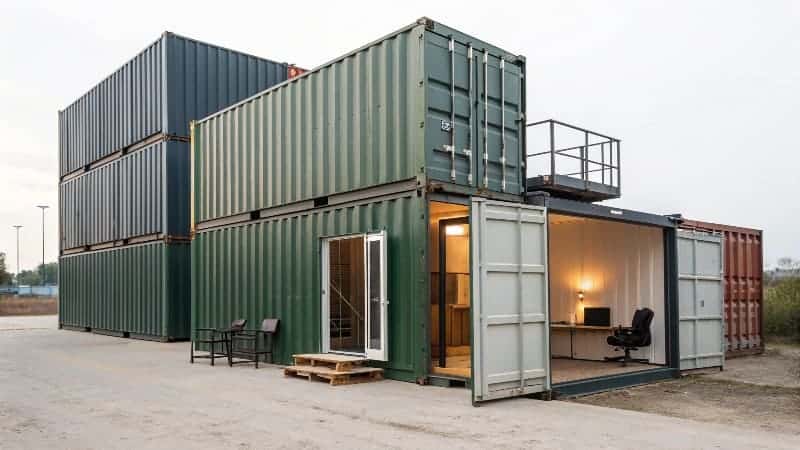
Plumbing System Components
Essential components for reliable container home plumbing in Guyana's environment.
| System Component | Specification | Function | Maintenance | Lifespan |
|---|---|---|---|---|
| Water Supply | 20mm PVC main | Potable water delivery | Annual inspection | 25+ years |
| Waste Lines | 100mm PVC slope 2% | Sewage removal | Semi-annual cleaning | 30+ years |
| Vent Stack | 75mm PVC to roof | Pressure equalization | Visual inspection | 20+ years |
| Shut-off Valves | Brass/stainless steel | Flow control | Quarterly operation | 15+ years |
| Flood Protection | Backflow preventers | Contamination prevention | Annual testing | 10+ years |
Proper sizing and corrosion resistance essential for tropical performance.
Septic System Design
Septic system requirements for container homes based on Guyana regulations and soil conditions.
| System Element | Capacity | Sizing Criteria | Installation Depth | Maintenance Schedule |
|---|---|---|---|---|
| Septic Tank | 4000L minimum | 2 persons + 1000L/person | 1.5m to invert | Pump every 3-5 years |
| Distribution Box | Flow distribution | Equal outlet levels | 0.3m below tank | Annual inspection |
| Drain Field | 60m² minimum | Soil percolation rate | 0.6m below surface | 5-year soil testing |
| Grease Trap | 100L capacity | Kitchen wastewater | Accessible location | Monthly cleaning |
| Inspection Ports | 150mm diameter | System monitoring | Ground level | Quarterly check |
Soil percolation testing determines drain field sizing and design.
Flood Protection Strategies
Specialized plumbing protection methods for flood-prone container installations.
| Protection Method | Function | Installation | Cost Factor | Effectiveness |
|---|---|---|---|---|
| Elevated Connections | Above flood level | Design phase | 1.2x | Excellent |
| Backflow Preventers | Contamination prevention | Utility entry | 1.5x | Very good |
| Flexible Couplings | Movement accommodation | Pipe connections | 1.3x | Good |
| Emergency Shut-offs | System isolation | Accessible location | 1.4x | Excellent |
| Flood Vents | Pressure relief | Foundation level | 1.1x | Good |
Multiple protection layers provide comprehensive flood resilience for plumbing systems.
What is the Best Way to Level a Container on Uneven Ground?
Level containers on uneven ground using adjustable steel pier systems with concrete footings, laser level for accuracy within 3mm tolerance, shimming with steel plates for fine adjustment, hydraulic jacking for initial positioning, and continuous monitoring during installation to ensure proper door operation and structural integrity across all corner points.
Adjustable steel piers provide precise height control at each corner point accommodating ground variations up to 500mm difference. Laser level accuracy within 3mm tolerance ensures proper drainage slopes and door/window operation without binding issues. Steel plate shimming allows fine adjustments after initial positioning maintaining long-term stability. Hydraulic jacking enables safe lifting and positioning of loaded containers during leveling process. Continuous monitoring during installation verifies structural alignment and prevents stress concentration at connection points.
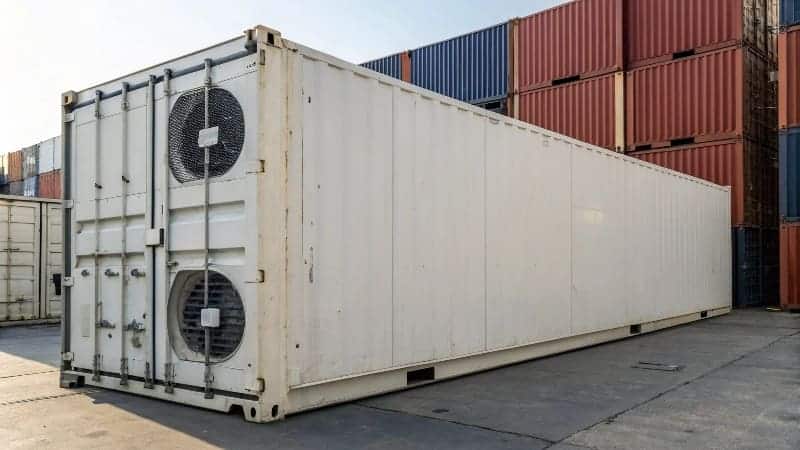
Leveling Equipment Requirements
Essential equipment and specifications for professional container leveling operations.
| Equipment | Specification | Accuracy | Capacity | Rental Cost |
|---|---|---|---|---|
| Laser Level | Self-leveling rotary | ±3mm/30m | 300m range | $50/day |
| Hydraulic Jacks | Low-profile design | Controlled lifting | 20-ton capacity | $75/day |
| Steel Shims | Galvanized plates | Various thickness | Load-bearing grade | $25/set |
| Digital Level | Electronic display | ±0.1° accuracy | Magnetic mount | $30/day |
| Survey Rod | Telescoping aluminum | 1mm graduations | 5m extension | $15/day |
Laser level provides most accurate and efficient leveling reference system.
Foundation Height Calculations
Methodology for determining required foundation heights at different ground elevations.
| Survey Point | Elevation | Height Adjustment | Foundation Type | Cost Impact |
|---|---|---|---|---|
| Corner A | Base elevation | Reference point | Standard pier | Baseline |
| Corner B | +150mm | Reduce 150mm | Shorter pier | -15% cost |
| Corner C | -200mm | Raise 200mm | Extended pier | +20% cost |
| Corner D | -100mm | Raise 100mm | Medium pier | +10% cost |
| Average | Calculated mean | Optimal reference | Balanced system | Optimized cost |
Accurate surveying essential for cost-effective foundation design.
Tolerance and Quality Control
Critical tolerances and quality control measures for container leveling installations.
| Measurement | Tolerance | Method | Frequency | Correction Method |
|---|---|---|---|---|
| Corner Height | ±3mm | Laser level | Each corner | Shim adjustment |
| Diagonal Measurement | ±5mm | Steel tape | Both diagonals | Repositioning |
| Door Operation | Smooth function | Manual test | All doors | Fine adjustment |
| Slope Gradient | 1:100 minimum | Water level | Length/width | Pier adjustment |
| Settlement Check | No movement | Visual/survey | 48 hours later | Re-leveling |
Strict tolerances ensure long-term structural integrity and operational performance.
Ground Preparation Methods
Site preparation techniques for different soil conditions in Guyana.
| Soil Condition | Preparation Method | Bearing Capacity | Foundation Requirement | Additional Measures |
|---|---|---|---|---|
| Firm Clay | Compaction | 150 kPa | Standard footings | Drainage improvement |
| Soft Clay | Stabilization | 75 kPa | Enlarged footings | Geotextile fabric |
| Sandy Soil | Compaction/gravel | 200 kPa | Standard piers | Erosion control |
| Rock Substrate | Leveling/padding | 500+ kPa | Minimal footings | Vibration dampening |
| Fill Material | Deep compaction | 100 kPa | Deep foundations | Settlement monitoring |
Soil analysis determines appropriate preparation and foundation design methods.
Conclusion
Containers in Guyana require elevated concrete pier foundations with 300mm minimum height for flood protection, reinforced footings for soft soil conditions, and integrated drainage systems for 200-300mm annual rainfall. Anchor containers against flood movement using galvanized twist-lock systems with 50kN rated tie-down cables connected to buried concrete deadmen anchors, elevated positioning 500mm above flood levels, and breakaway utility connections. Connect plumbing and sewage using flexible underground entries with waterproof penetrations, PVC piping with proper slopes, flood-resistant shut-off valves, and septic systems sized for Guyana regulations with elevated connections preventing backflow. Level containers on uneven ground using adjustable steel pier systems with laser level accuracy within 3mm tolerance, steel plate shimming for fine adjustment, hydraulic jacking for positioning, and continuous monitoring ensuring structural integrity. Success with container foundations in Guyana requires understanding that elevated concrete pier systems provide essential flood protection while accommodating soft soil conditions, comprehensive anchoring systems must resist both wind and buoyancy forces during extreme weather, plumbing connections need flood-resistant design with proper waste treatment compliance, and precise leveling ensures long-term structural performance and operational reliability, making proper foundation engineering the critical foundation for container building success in Guyana's challenging coastal environment.
