




What is the type of container?
When shipping goods internationally, choosing the wrong container can cost time, money, and even damage your cargo.
A container type refers to the design and features of a shipping container, defined by its size, construction, and intended cargo use.
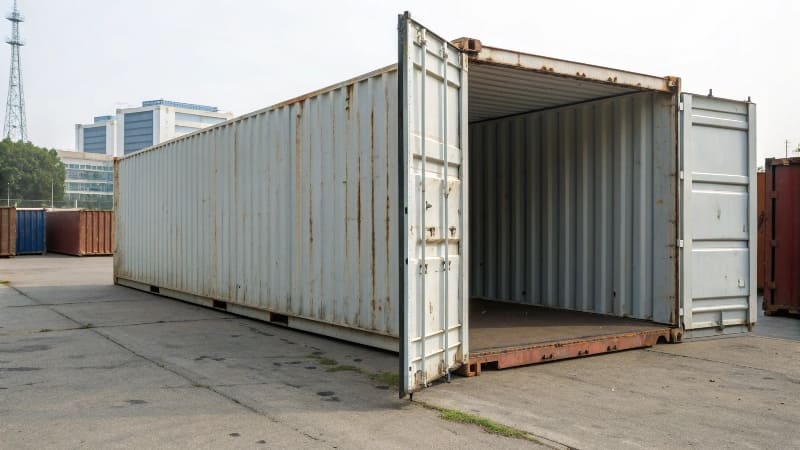
Picking the right container starts with knowing why it was built and what cargo it can carry. For years, I’ve seen companies lose money simply because they didn’t match their cargo with the best container design. This choice impacts freight costs, delivery times, and safety.
How to find container type?
Some cargo handlers guess container types without checking, but mistakes lead to delays and reloading costs.
You can identify container type by looking at its markings, dimensions, and type codes, or by checking data provided by the shipping company.
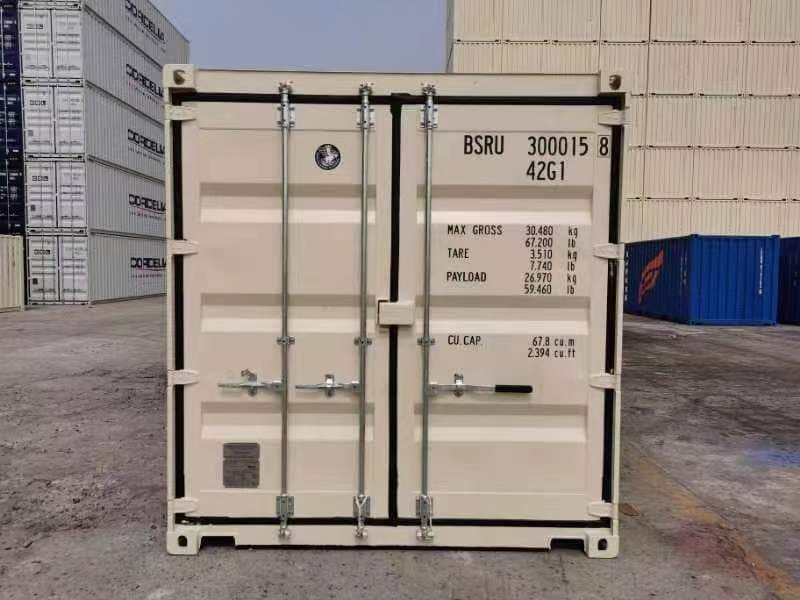
To dive deeper, every ISO container has a unique structure and marking system. Usually, the container number is printed on the doors along with size and type codes. These markings follow an international standard issued by ISO 6346.
The main clues are:
| Code Element | Meaning | Example |
|---|---|---|
| Size Code | Length and height of container | 22 = 20ft height standard |
| Type Code | Design and cargo suitability | GP = General Purpose |
| Owner Prefix | Container owner identification | TRSU = TRUSUS |
| Serial Number | Unique container number | 123456 |
Many shipping lines also give digital container specs online. I once had to decide between a high-cube and standard container for a bulk shipment. By quickly checking the type code and dimensions, I avoided overpaying for empty space. That simple step saved thousands. Knowing exactly what you have gives control over your logistics.
What is FCL and LCL?
Small shipments often don’t fill a container, but large ones carry higher risks with shared space.
FCL means Full Container Load for one shipper; LCL means Less than Container Load where multiple shippers share one container.
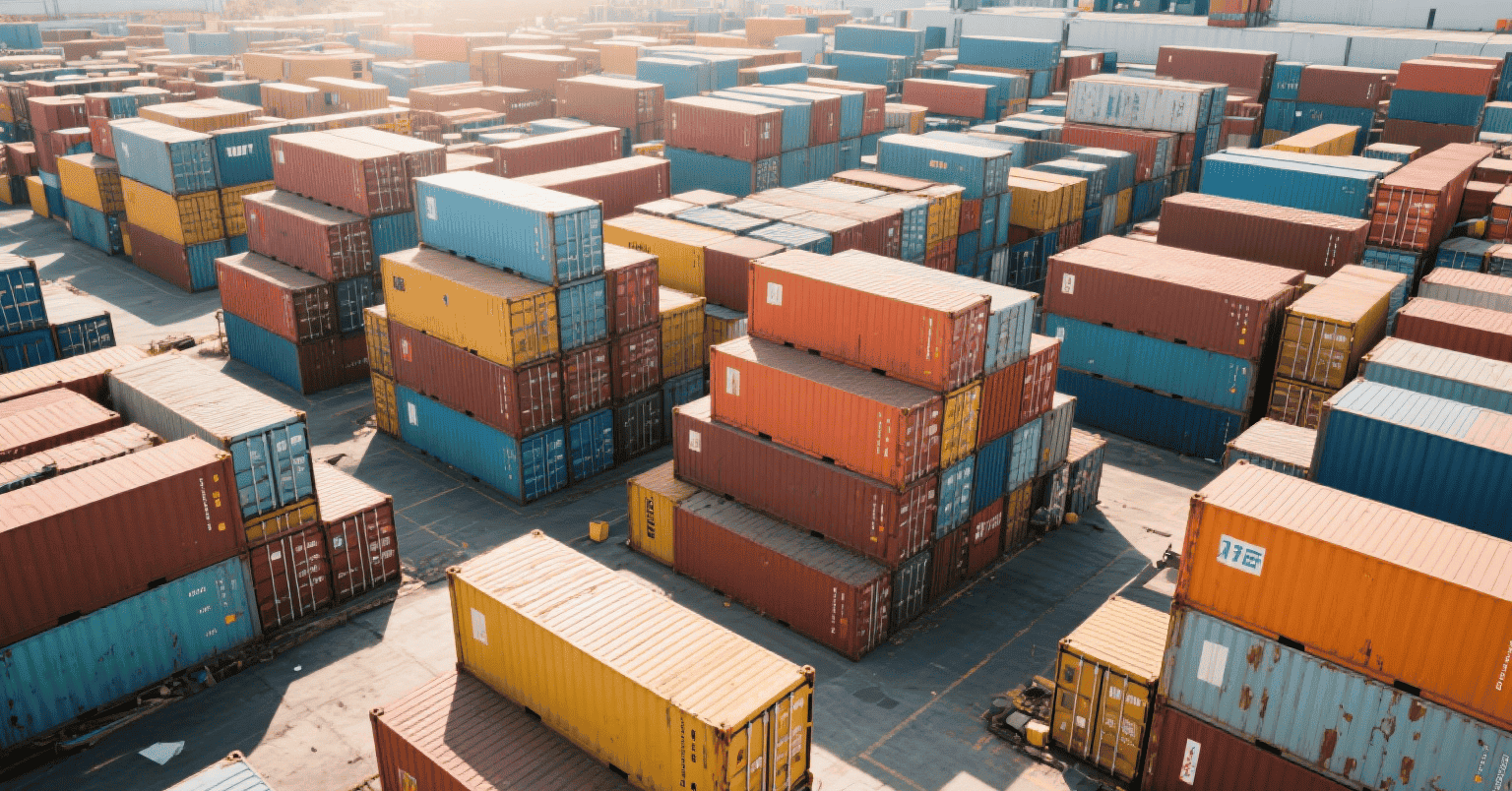
Here’s the deeper breakdown.
FCL is straightforward: you rent and fill an entire container. It’s faster and safer because there are fewer handling steps. LCL is about efficiency for small loads: several shipments from different companies share one container, lowering costs but adding complexity.
| Mode | Benefits | Downsides |
|---|---|---|
| FCL | Faster transit, safer cargo, predictable schedule | Higher upfront cost if underfilled |
| LCL | Lower cost for small volumes, flexibility | More handling means delays and damage risk |
I have relied on FCL when moving seasonal goods like construction materials that needed precise delivery times. But I’ve used LCL for routine parts replenishment where timing was flexible. Picking between them depends on cargo scale, urgency, and value.
Why are there different types of containers?
Global trade carries more than one type of cargo, so one container design doesn’t fit all needs.
Containers differ to match cargo requirements: weight, size, temperature, and loading method influence design.
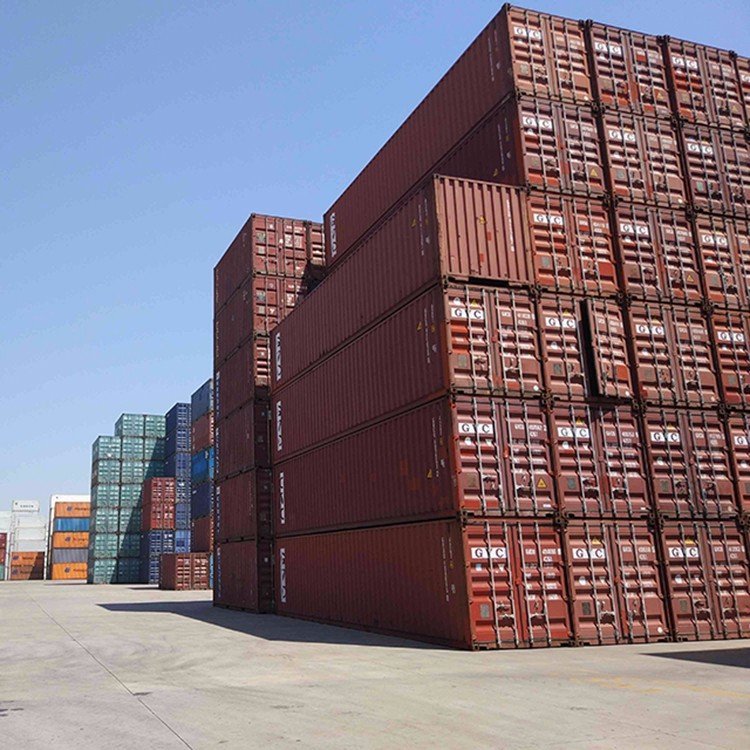
Let’s look closer. A dry cargo container fits most items: packaged goods, materials, and machinery. A reefer container maintains a cold temperature for food or medical cargo. Open-top containers let cranes load oversized equipment. Flat racks carry extra-wide or tall cargo without walls. Tank containers hold liquid chemicals safely.
| Container Type | Key Feature | Common Cargo |
|---|---|---|
| Dry Van (GP) | Enclosed, dry condition | Boxed goods |
| High Cube | Extra height | Voluminous freight |
| Reefer | Refrigeration system | Food, pharmaceuticals |
| Open Top | Top loading capability | Machinery, timber |
| Flat Rack | Collapsible walls | Vehicles, pipes |
| Tank Container | Liquid storage capacity | Chemicals, oils |
One time, I had to ship industrial paint across borders in summer. Only a tank container designed for hazardous liquids met both safety rules and temperature control needs. Without this specialized type, damage and regulatory fines would have been likely. The variety exists because the world trades in endless materials, each with unique requirements.
Conclusion
Choosing container types and transport modes is about matching cargo needs with the right design and cost balance.
