




What Is The Turning Radius Of A 40ft Container?
A truck carrying a 40ft container usually needs a turning radius of about 12–15 meters (40–50 feet), depending on chassis type and road conditions. Tight sites may require additional maneuvering space.
TRUSUS logistics insight: container usability depends on movement space, not only storage space.
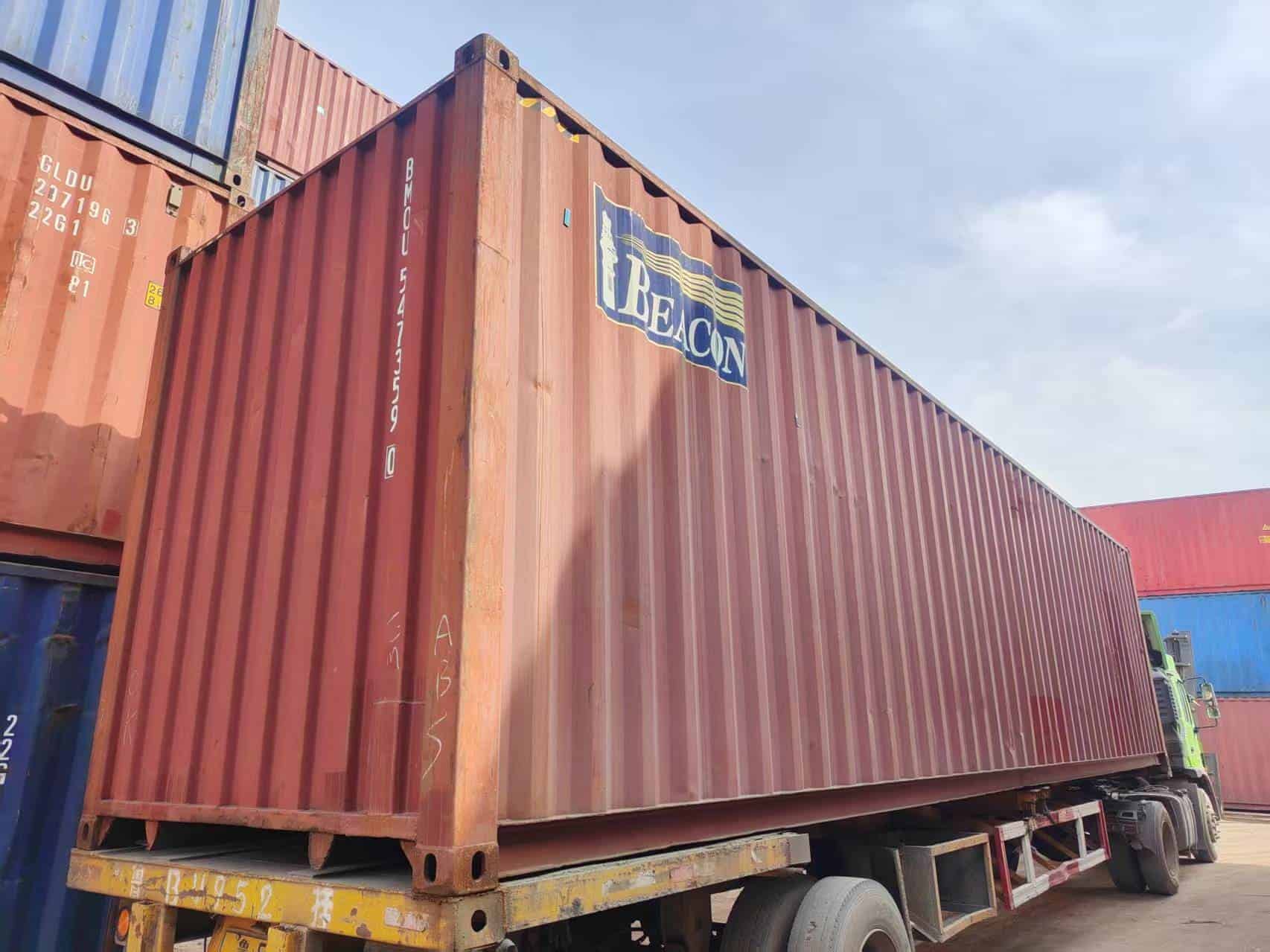
Many first‑time buyers focus only on container dimensions. Later, they realize the truck cannot enter the site smoothly. In my experience, road width, gate position, and unloading direction matter as much as the container itself. A container is part of a transport system, not a static steel box.
How Many Feet Is A 40 Ft Container?
A standard 40ft container is approximately 40 feet long, 8 feet wide, and 8 feet 6 inches high. Its external length is about 12.19 meters.
TRUSUS standardization insight: the real value of 40ft size is global compatibility.
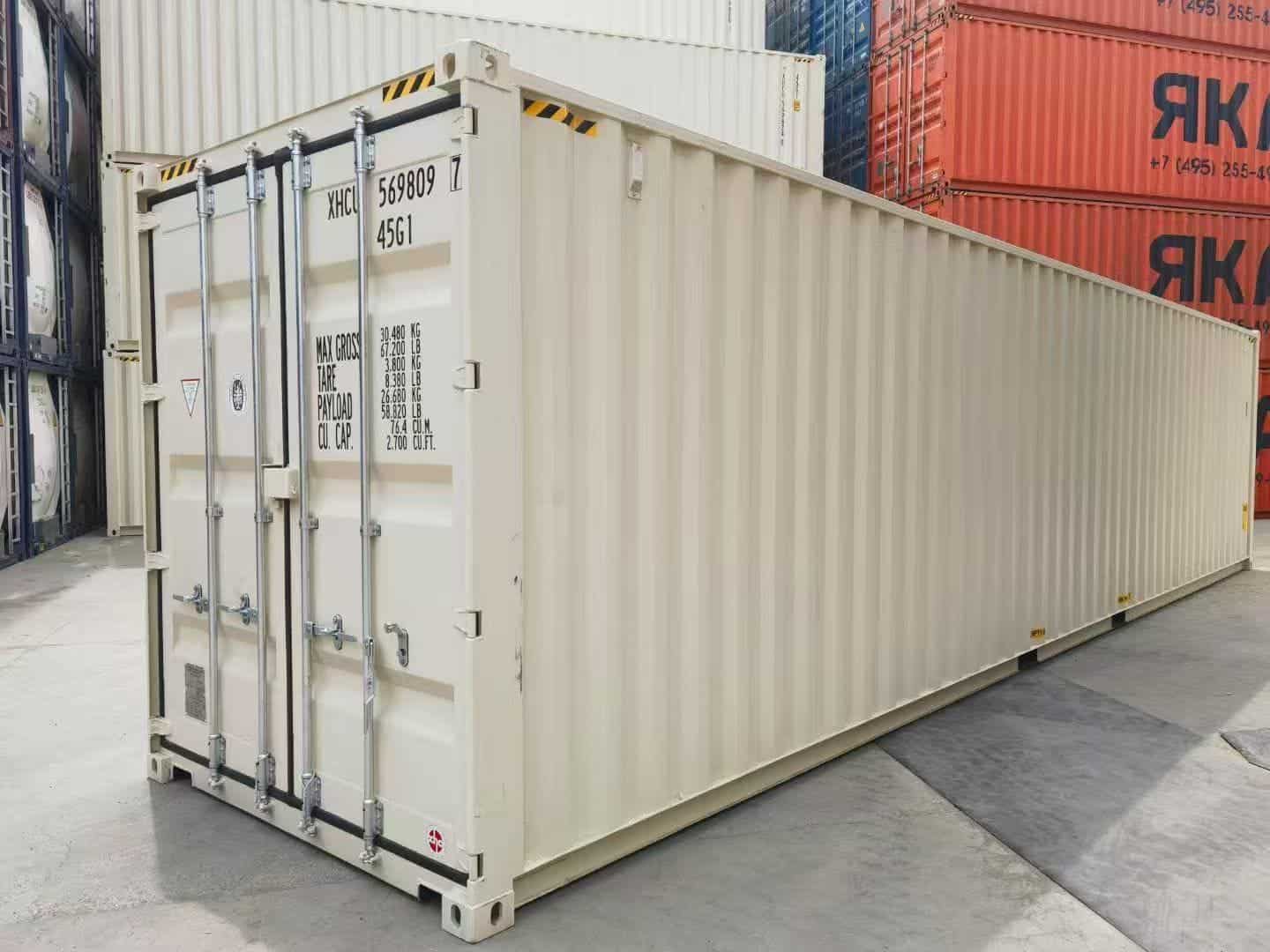
Standard 40ft Container Dimensions
| Measurement | Imperial | Metric |
|---|---|---|
| External Length | 40 ft | 12.19 m |
| External Width | 8 ft | 2.44 m |
| External Height | 8 ft 6 in | 2.59 m |
| Internal Length | 39.5 ft | 12.03 m |
| Internal Width | 7.7 ft | 2.35 m |
Ports, trailers, warehouses, and cranes around the world are built around this standard size. That is why the 40ft container became one of the most important transport modules in modern trade.
The strength of standardization is not size alone. It is shared operational language.
How Much M3 Fits In A 40ft Container?
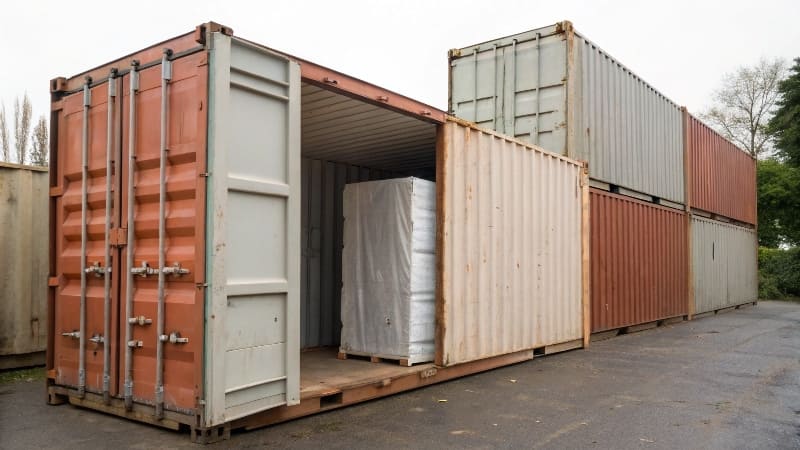
A standard 40ft container holds about 67 cubic meters (m³) of internal volume. A 40ft High Cube container holds around 76 cubic meters.
TRUSUS space insight: usable cargo volume matters more than theoretical volume.
40ft Volume Comparison
| Container Type | Internal Volume | Typical Cargo Use |
|---|---|---|
| Standard 40ft | ~67 m³ | Dense industrial goods |
| 40ft HQ | ~76 m³ | Furniture, e‑commerce, light cargo |
In actual shipping, not all volume becomes usable cargo space. Pallet gaps, airflow channels, protective packaging, and securing straps reduce loading efficiency.
I often tell clients that successful loading is not about filling every corner. It is about balancing safety, unloading speed, weight distribution, and space utilization together.
Modern logistics competes through effective space management.
What Is The Difference Between 40ft Container And 40ft HQ?
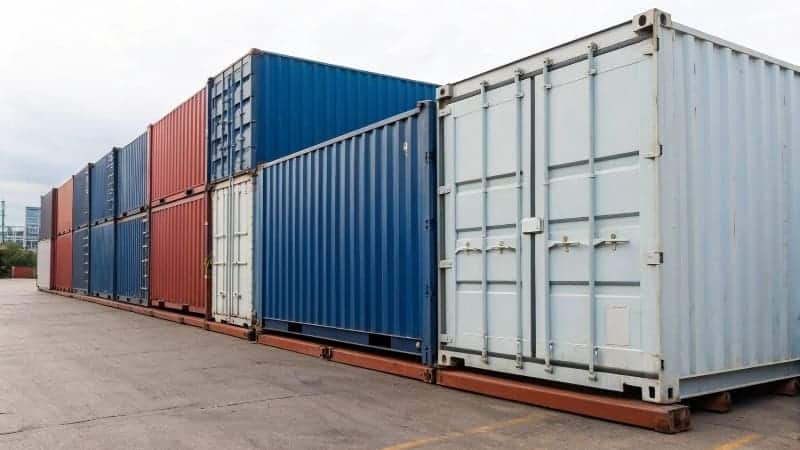
The main difference is height. A standard 40ft container is 8 ft 6 in high, while a 40ft High Cube (HQ) container is 9 ft 6 in high. The extra height provides about 9 cubic meters more storage volume.
TRUSUS trade insight: High Cube containers reflect the rise of volume‑based global trade.
40ft vs 40HQ Comparison
| Feature | Standard 40ft | 40ft HQ |
|---|---|---|
| External Height | 8 ft 6 in | 9 ft 6 in |
| Internal Volume | ~67 m³ | ~76 m³ |
| Best For | Heavy cargo | Light bulky goods |
| Logistics Trend | Weight efficiency | Space efficiency |
Years ago, many shipments focused on machinery and raw materials. Today, furniture, retail packaging, and cross‑border e‑commerce dominate many shipping routes.
These products fill space before reaching weight limits. That shift explains why High Cube containers became increasingly popular worldwide.
The growth of 40HQ containers shows how global trade is moving from weight transport toward space transport.
Conclusion
At TRUSUS, I see the 40ft container as more than a steel structure. Its dimensions, turning radius, and volume all reflect a deeper system of global standardization that shapes modern logistics, warehousing, and international trade efficiency.
