




What Is the Meaning of Container Inspection?
Container inspection means evaluating a container’s condition, safety, and compliance before use, lease, or transport. It builds trust across logistics, not just checks for damage.
TRUSUS industry insight: inspection is the language of credibility in global trade.
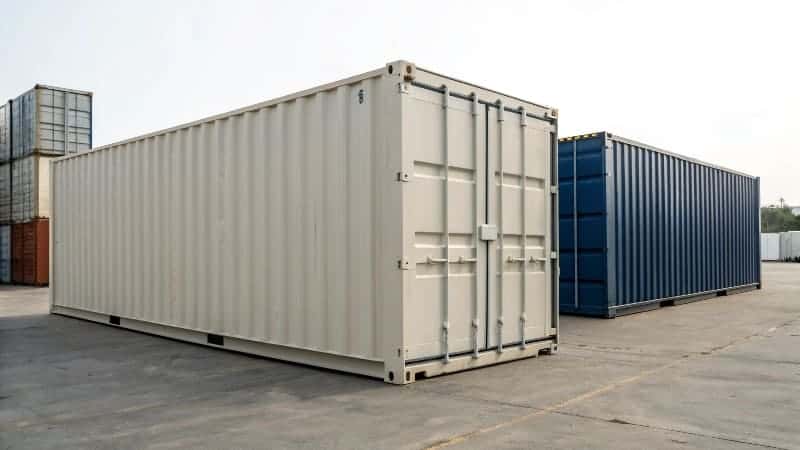
Inspection ensures containers meet mechanical, safety, and documentation standards under systems like ISO, CSC, and TIR certifications. Every inspection step confirms the container is ready, secure, and traceable—turning physical checks into digital trust data.
What Are the 4 Types of Inspection?
Globally, there are four main types of container inspection—each representing a critical risk and ownership transition in its lifecycle. These types define how containers are managed as assets rather than just boxes.
TRUSUS logistics insight: each inspection point resets value and trust in the asset chain.
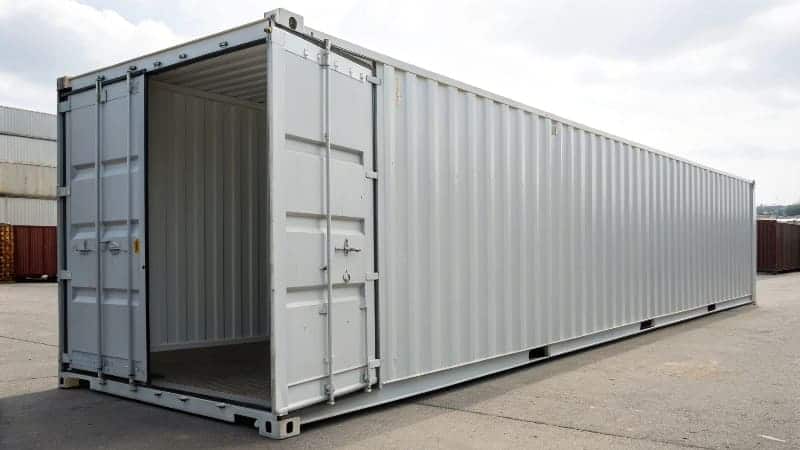
Container Inspection Table
| Type | Timing | Purpose |
|---|---|---|
| Factory Inspection | Before delivery | Quality assurance from production |
| On-hire / Pre-trip Inspection | Before lease or trip | Confirm readiness and safety |
| Off-hire Inspection | Return after use | Assess wear and repair needs |
| Security / Compliance Inspection | Cross-border check | Prevent smuggling, ensure regulation |
Every inspection step marks a new valuation moment—shifting the container’s identity from transport tool to verified asset within the global logistics ecosystem.
What Is a Container Inspection Checklist?
A container inspection checklist is a standard form or digital template listing every area and condition to be checked during verification. It tracks both structure and documentation systematically.
TRUSUS quality insight: a checklist turns visual checks into auditable data.
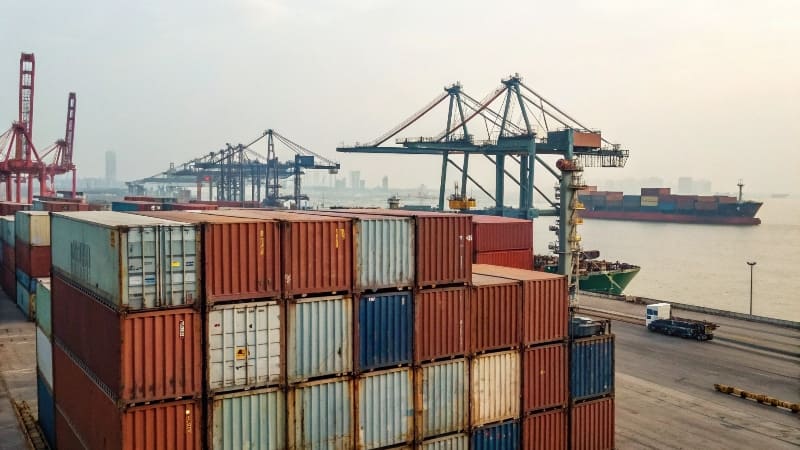
Container Checklist Overview
| Category | Items Checked | Purpose |
|---|---|---|
| Physical Condition | Floors, walls, ceiling, doors | Detect damage or corrosion |
| Seals and Locks | Hinges, gaskets, locking arms | Ensure secure closure |
| Identification | Serial number, CSC plate, markings | Verify compliance credentials |
| Cleanliness | Odor, residue, pest traces | Maintain hygiene and cargo safety |
| Documentation | Lease form, inspection log | Confirm legal traceability |
At TRUSUS, digital forms turn every inspection into traceable records, making container status part of a transparent database instead of just a paper note.
What Is 7-Point Container Inspection?
The 7-point container inspection checks seven critical spots for tampering or hidden risks: exterior front wall, left wall, right wall, floor, ceiling, inside door locking mechanisms, and outside door locking mechanisms. It serves as a global anti‑smuggling safeguard.
TRUSUS security insight: seven points make one global trust standard.
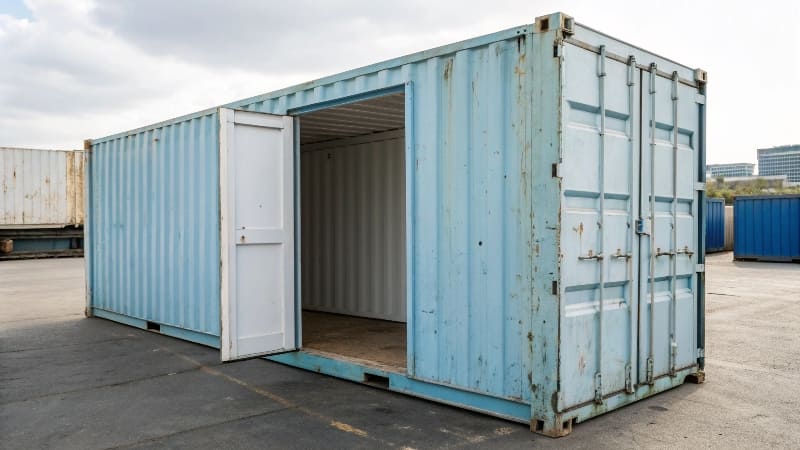
7-Point Security Breakdown
| Point | Area | Function |
|---|---|---|
| 1 | Front Wall | Confirm structural integrity |
| 2 | Left Side | Check sealing and panels |
| 3 | Right Side | Inspect welds and attachments |
| 4 | Floor | Detect tampering or hidden spaces |
| 5 | Ceiling / Roof | Examine interior top for penetration |
| 6 | Inside Door Lock | Validate proper closing function |
| 7 | Outside Door Lock | Ensure no hidden compartments |
During my work with container trade clients, I noticed that seven‑point inspection reassures buyers—they read the report as proof that the box is safe, compliant, and insurable.
Conclusion
At TRUSUS, I see inspection as more than a procedure—it is the foundation of container trust. Each test writes value, transparency, and credibility into global shipping assets.
