




What Is the Maximum Weight Allowed in a 40ft Container?
A standard 40ft shipping container has a maximum gross weight of about 30,480 kg (67,200 lbs). This includes the container’s tare weight, roughly 3,700–4,200 kg, leaving a net payload of around 26,000–27,000 kg.
TRUSUS insight: the number is fixed, but safe loading depends on balance, not just kilograms.
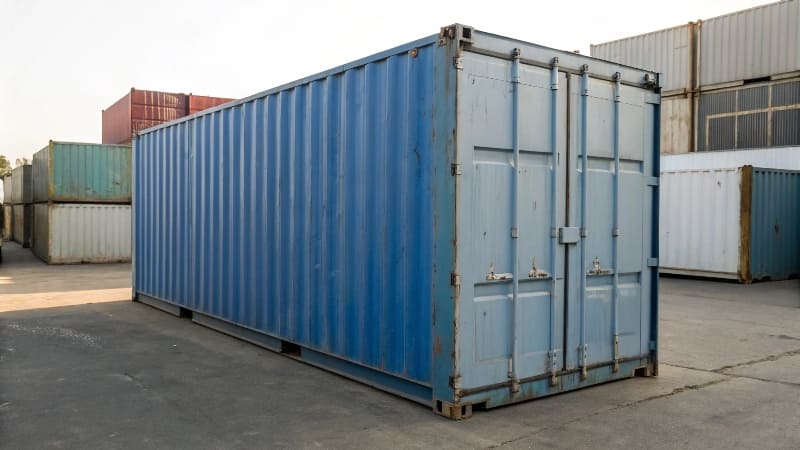
This capacity is defined by ISO container standards and shipping line restrictions. Overloading not only risks mechanical damage but can result in fines, shipment refusal, or safety hazards during stacking.
How Much Weight Can I Put in a 20ft Container?
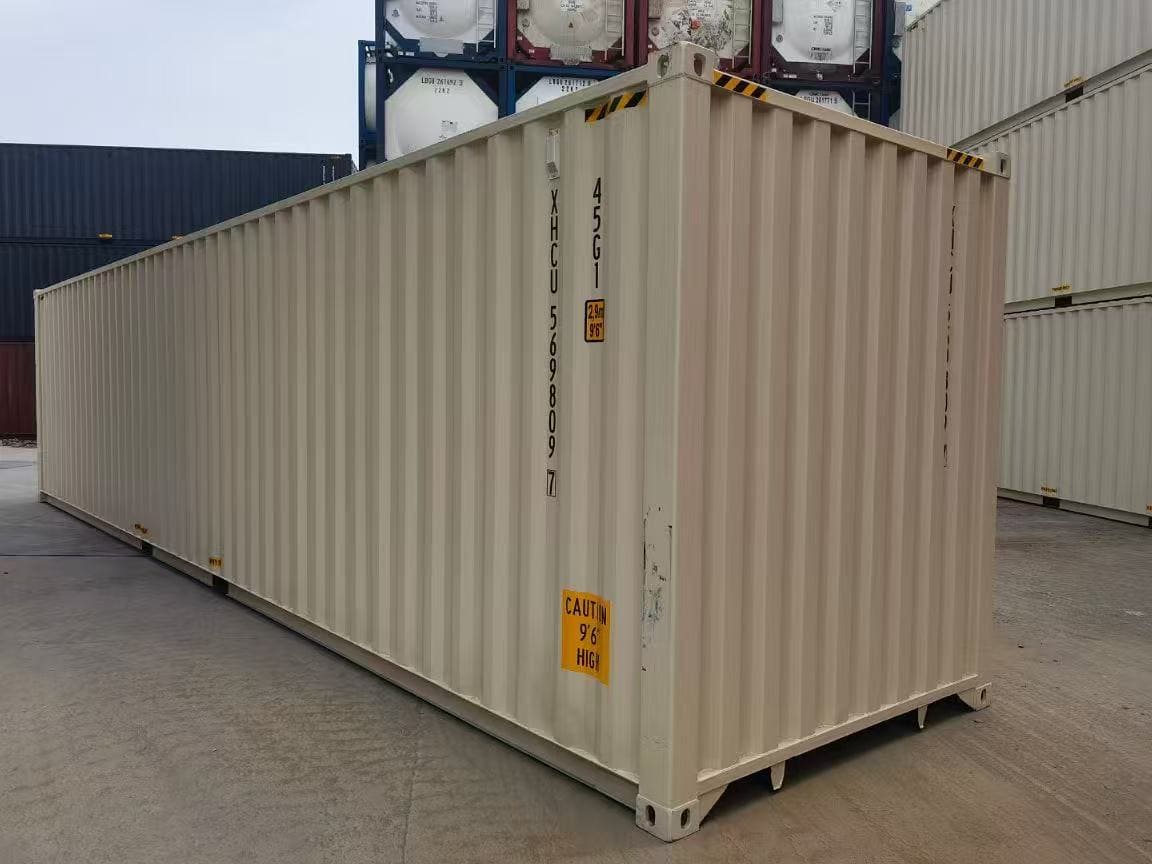
You can load a 20ft container up to a maximum gross weight of 24,000 kg (52,910 lbs). With a tare weight of about 2,200–2,400 kg, that leaves around 21,500 kg (47,400 lbs) of usable payload.
logistics insight: smaller box, higher density potential—but also higher risk if unevenly loaded.
Standard Container Weight Chart
| Container Type | Max Gross Weight | Tare Weight | Net Payload | Key Notes |
|---|---|---|---|---|
| 20ft Standard | 24,000 kg | 2,300 kg | 21,700 kg | Best for heavy materials |
| 40ft Standard | 30,480 kg | 3,800 kg | 26,680 kg | Ideal for volume cargo |
| 40ft High-Cube | 30,480 kg | 4,000 kg | 26,480 kg | Slightly heavier tare due to height |
| 45ft High-Cube | 32,500 kg | 4,800 kg | 27,700 kg | Limited route approval required |
Always verify the maximum weight on the container door plate; operational limits may vary by carrier or route.
What Are the Biggest Risks in Container Shipping?
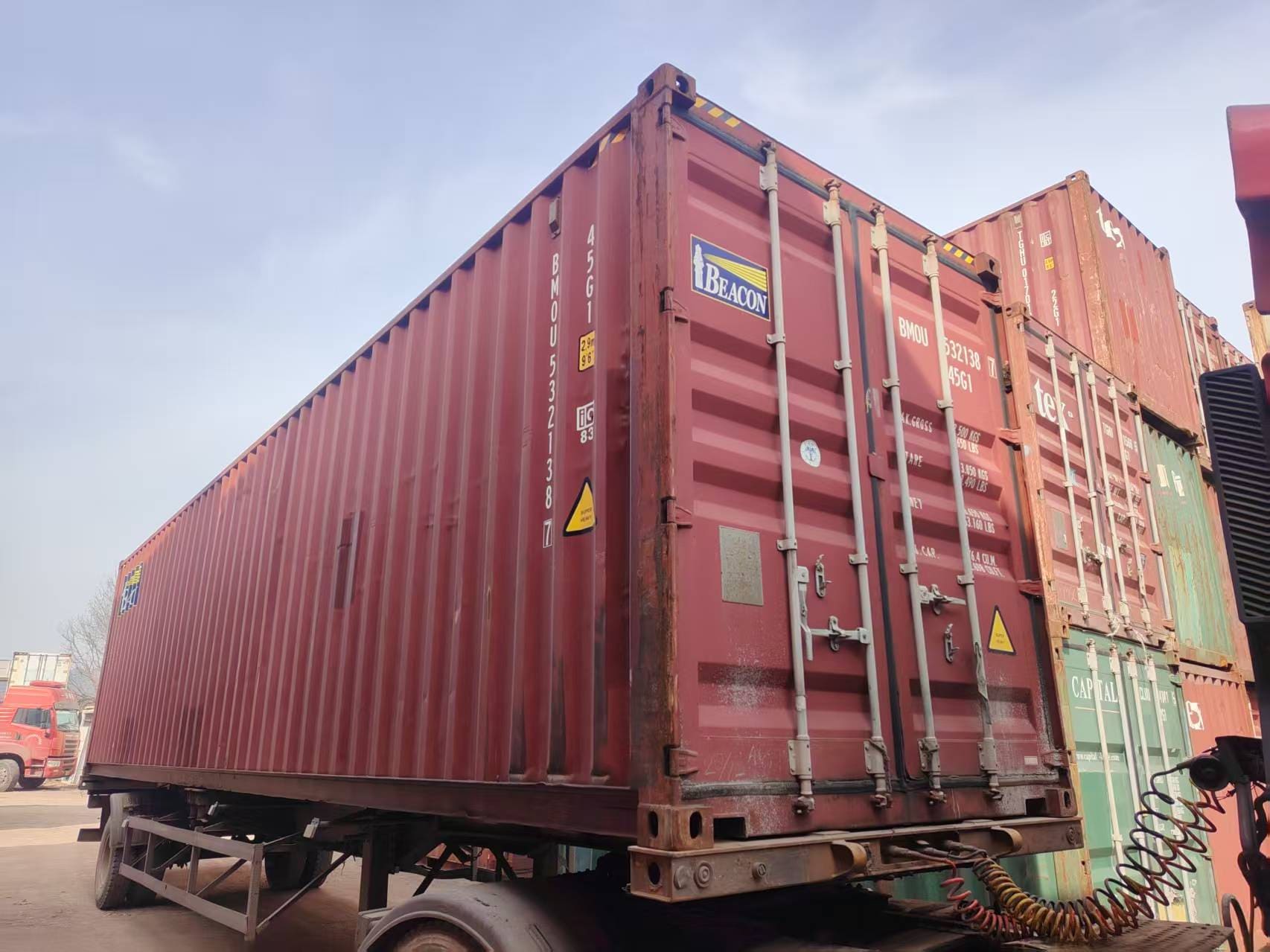
The biggest risks in container shipping come from overweight, poor weight distribution, and unclear responsibility chains. Overloaded boxes strain cranes, trucks, and decks. Imbalanced loading leads to tilting and cargo shifts. And when documentation doesn’t match actual weight, the whole logistics chain becomes uncertain.
safety insight: the heaviest risk is invisible—it starts with paperwork, not metal.
Container Logistics Risk Framework
| Risk Category | Root Cause | Real-World Outcome |
|---|---|---|
| Overweight Cargo | Exceeding ISO or port limits | Structural stress, crane failure |
| Weight Misdeclaration | Wrong weight on manifest | Fines, vessel imbalance, customs hold |
| Load Imbalance | Uneven cargo placement | Container tipping, stack collapse |
| Handling Damage | Improper fork or twist-lock use | Corner casting or frame failure |
| Moisture & Contamination | Poor sealing or drainage | Cargo spoilage and insurance disputes |
True safety starts with verified weight reporting and strict adherence to the Verified Gross Mass (VGM) regulation.
What Are Common Container Weight Violations?
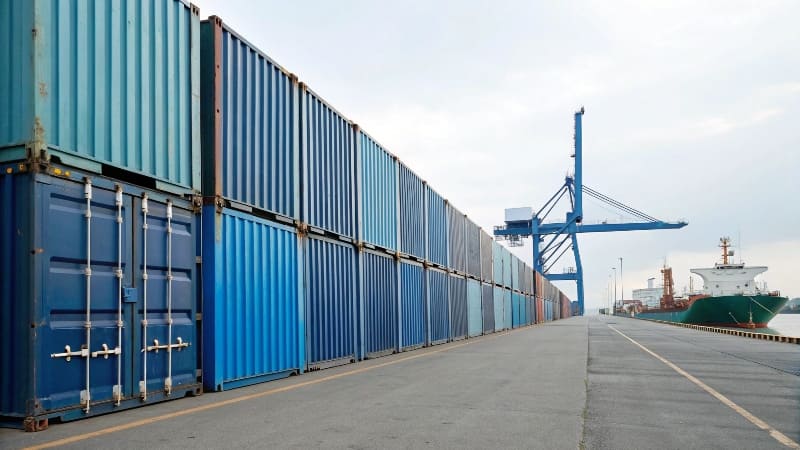
Common violations include exceeding declared gross weight, inaccurate tare data, and uneven load distribution. These not only endanger workers but can damage the global trust chain between shippers, carriers, and port operators.
compliance insight: real reliability is not how much you can load—it’s how well you play by the rules.
Examples of Weight Violations
| Violation Type | Description | Typical Consequence |
|---|---|---|
| Over-gross container | Actual weight 2–5 tons above limit | Vessel rejection or reloading cost |
| False VGM declaration | Reported data under actual load | Port penalties or delay |
| Concentrated cargo | Heavy goods placed at one end | Floor buckling or leaning stacks |
| Fork misplacement | Using non-designated lift points | Bent bottom rails or cracked corners |
Modern logistics doesn’t forgive guesswork. Every weight, every ton, is a shared responsibility: from yard operator to ship engineer.
Conclusion
The limit of a container is not just a number—it’s a standard of safety, trust, and global order. At TRUSUS, I’ve learned that every safe shipment begins with one correct calculation. When we load within standards, we don’t just move cargo; we protect a worldwide system built on precision and reliability.
