




What Is the Maximum Load of 20 and 40 Containers?
A standard 20‑foot container has a maximum gross weight of about 24,000 kg (52,910 lbs), and a 40‑foot container holds up to 30,480 kg (67,200 lbs). Both figures include the container’s own weight and cargo combined.
TRUSUS logistics insight: the limit isn’t what the box can hold—it’s what the global system allows safely.
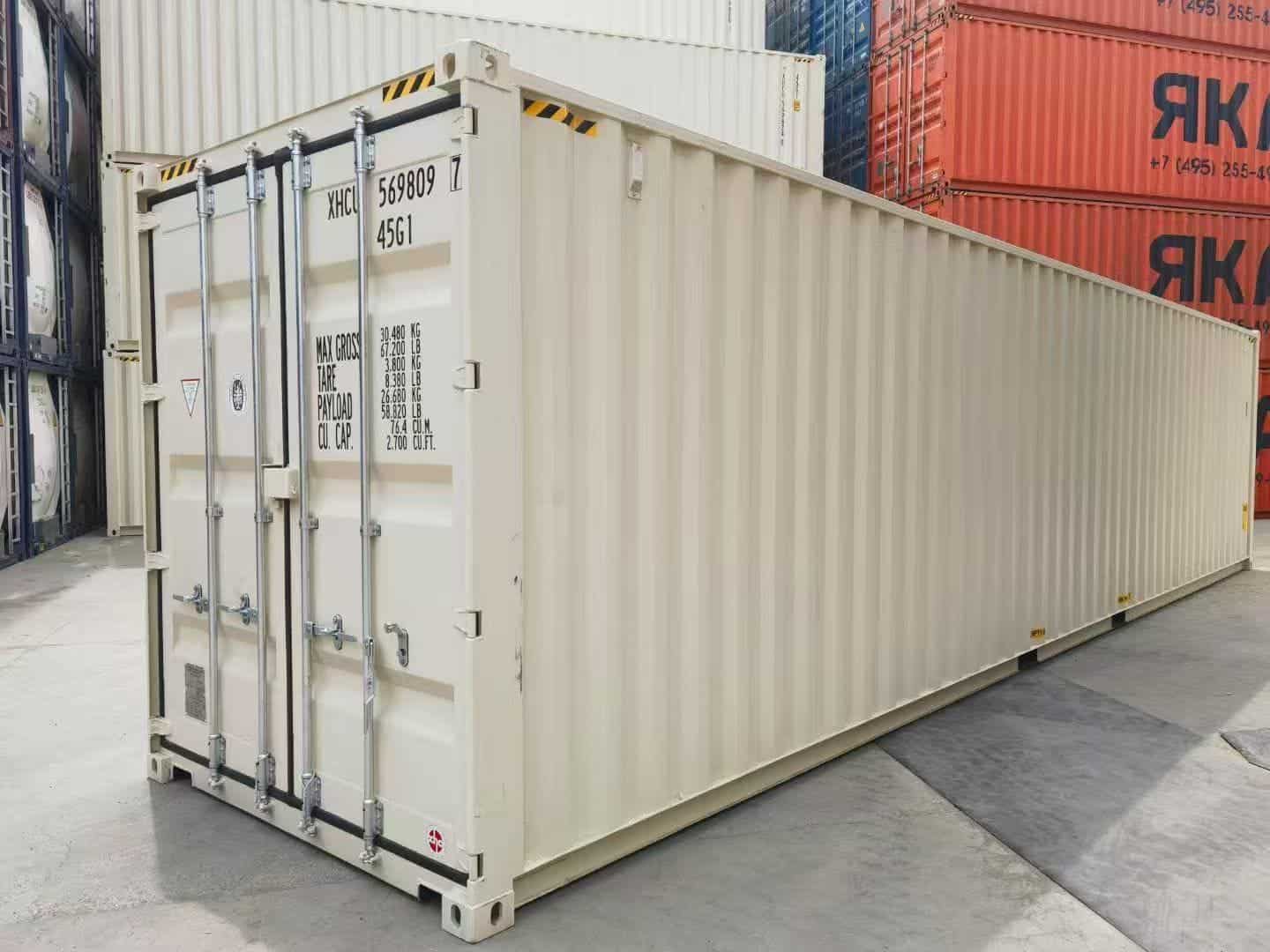
The container structure is built to balance load distribution and resist stress at corner posts. These limits protect frame integrity and ensure safe stacking, lifting, and transport compliance worldwide.
Container Load Standard Table
| Container Type | Max Gross Weight | Tare Weight (Empty) | Max Payload | Typical Use |
|---|---|---|---|---|
| 20‑foot (Dry Van) | 24,000 kg | 2,200–2,400 kg | 21,600–21,800 kg | General cargo |
| 40‑foot (Dry Van) | 30,480 kg | 3,800–4,000 kg | 26,000–26,600 kg | Bulk and light volume goods |
| 40‑foot (High Cube) | 30,480 kg | 3,900–4,200 kg | 26,000 kg | Tall cargo |
These numbers represent design boundaries, not loading targets. The safe zone lies slightly below the maximum level.
What Is Considered Overweight for a 20 Container?
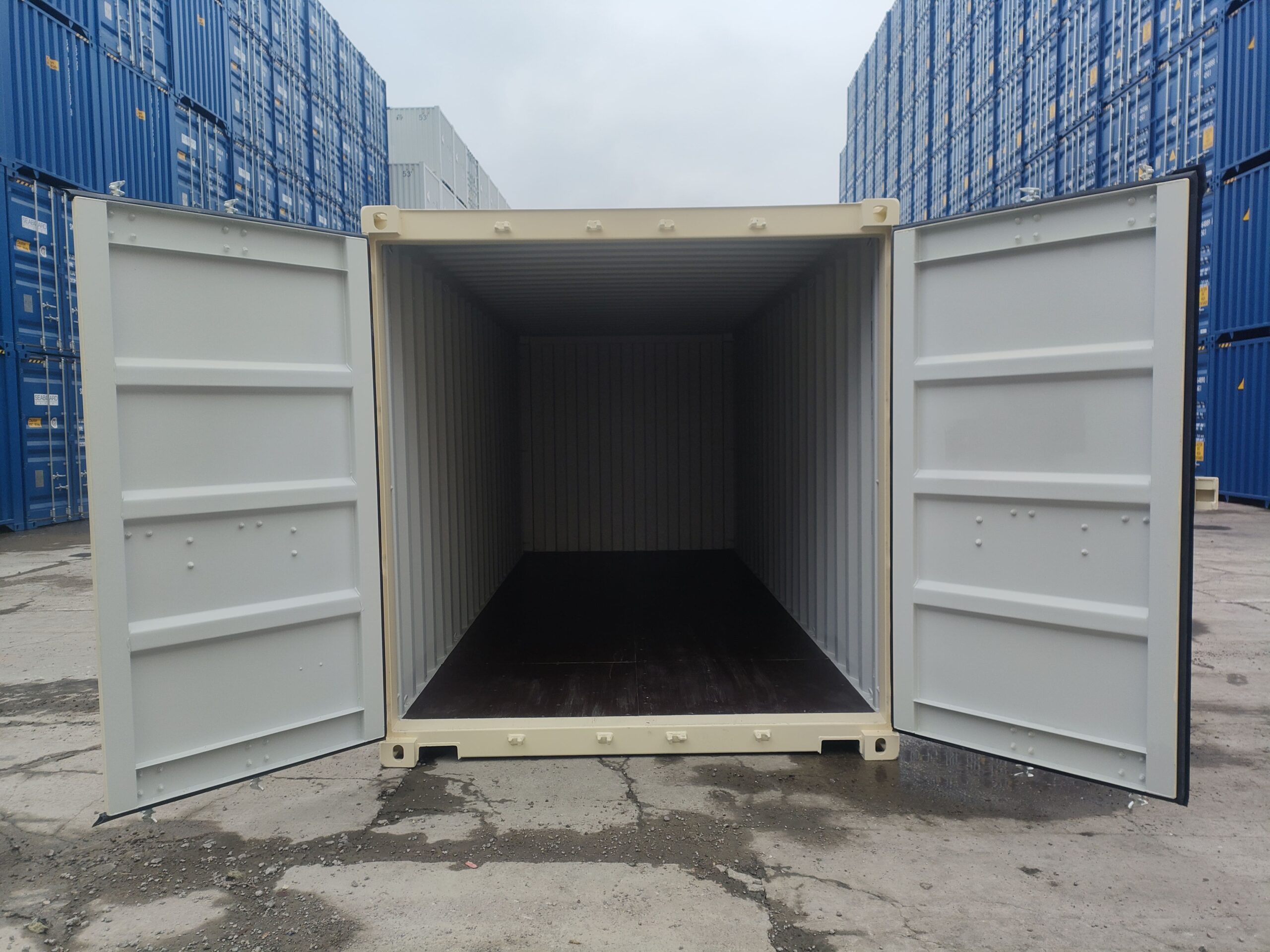
A 20‑foot container becomes overweight when cargo exceeds about 21,800 kg (48,000 lbs) of net load. Overweight loads cause axle stress, crane imbalance, and can breach legal road limits in many countries.
TRUSUS safety insight: one extra ton doesn’t sound much—until wheels, beams, and hooks start complaining.
Overweight Reference
| Category | Definition | Risk Impact |
|---|---|---|
| Legal Overweight | Exceeds road/port limit | Fines, delayed clearance |
| Structural Overweight | Exceeds container payload | Frame bending, corner deformation |
| Operational Overweight | Overloads crane/vehicle rating | Handling accidents |
In practice, the best advice is to keep load 5–10% below the rated payload for safety and smoother logistics.
How Much Wind Can a Shipping Container Withstand?
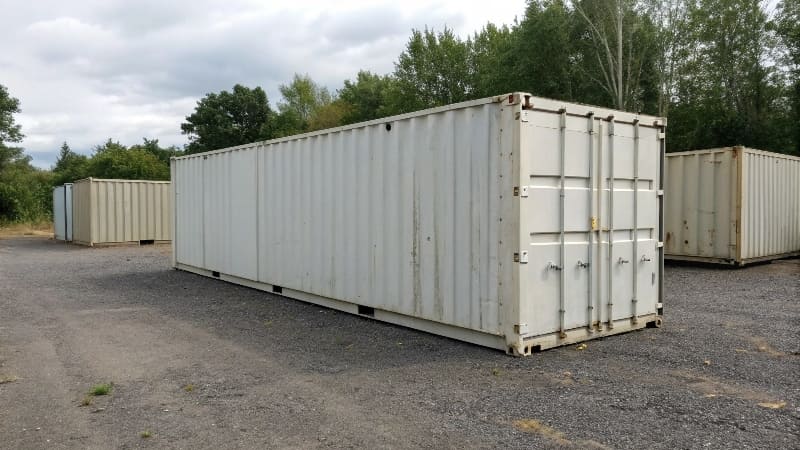
A well‑anchored container can withstand winds of up to 120–150 km/h (75–95 mph) when placed correctly on level ground. The strength comes from its corrugated steel walls and welded corner posts that distribute pressure evenly.
TRUSUS engineering insight: steel doesn’t fear wind—improper anchoring does.
Wind Resistance Notes
| Structure Factor | Description | Effect on Wind Resistance |
|---|---|---|
| Corrugated Panels | Increases surface rigidity | Prevents panel bending |
| Corner Post Frames | Main load path under pressure | Stabilizes structure |
| Ground Anchoring | Fixes against uplift | Crucial above 100 km/h winds |
| Stacking Alignment | Reduces wind catch area | Maintains aerodynamic balance |
Containers themselves are strong enough for hurricane‑level gusts; failure usually happens through loose stacking or poor ground fixing, not wall collapse.
How Does Wind Affect a Container Ship?
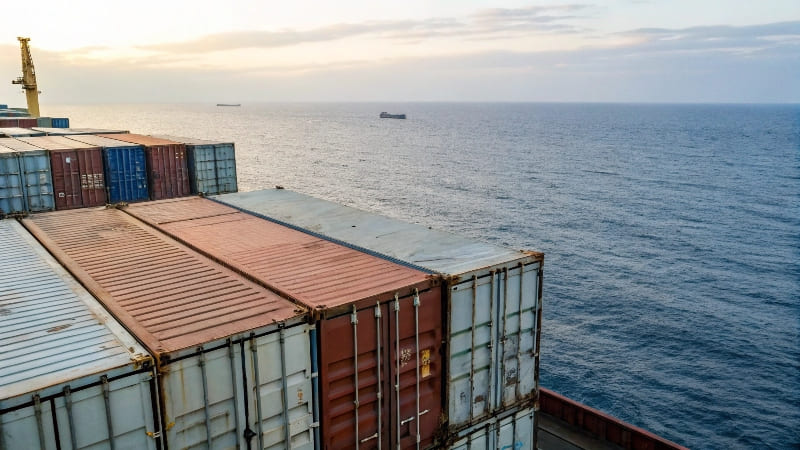
Wind affects container ships by altering stability, fuel efficiency, and roll dynamics on open seas. Pressure from crosswinds changes navigation angles and affects deck container stacks.
TRUSUS marine insight: the sea doesn’t attack containers—it negotiates with balance.
Wind Impact Overview
| Wind Effect | Description | Engineering Response |
|---|---|---|
| Roll & Pitch | Side gusts cause tilt | Stabilization systems adjust ballast |
| Stack Pressure | Forces act on top layers | Lashing chains increase tension |
| Fuel Use | Headwinds increase resistance | Route optimization reduces drag |
| Safety Margin | Moderate winds are manageable | Severe storms require cargo checks |
Wind doesn’t damage containers directly—it challenges the global coordination of ship design, cargo balance, and route planning.
Conclusion
At TRUSUS, I see container strength as a symbol of human engineering trust. Its limits aren’t numbers—they are the boundaries that keep global trade stable, safe, and resilient across every wind and wave.
