




What Is the Mandatory Seal Approved to Be Used on Containers?
The mandatory seal for shipping containers is a High Security Seal (HSS) approved under ISO 17712.
Only seals with the “H” mark meet international requirements for customs and maritime use.
TRUSUS logistics insight: one small seal carries the trust of global trade.
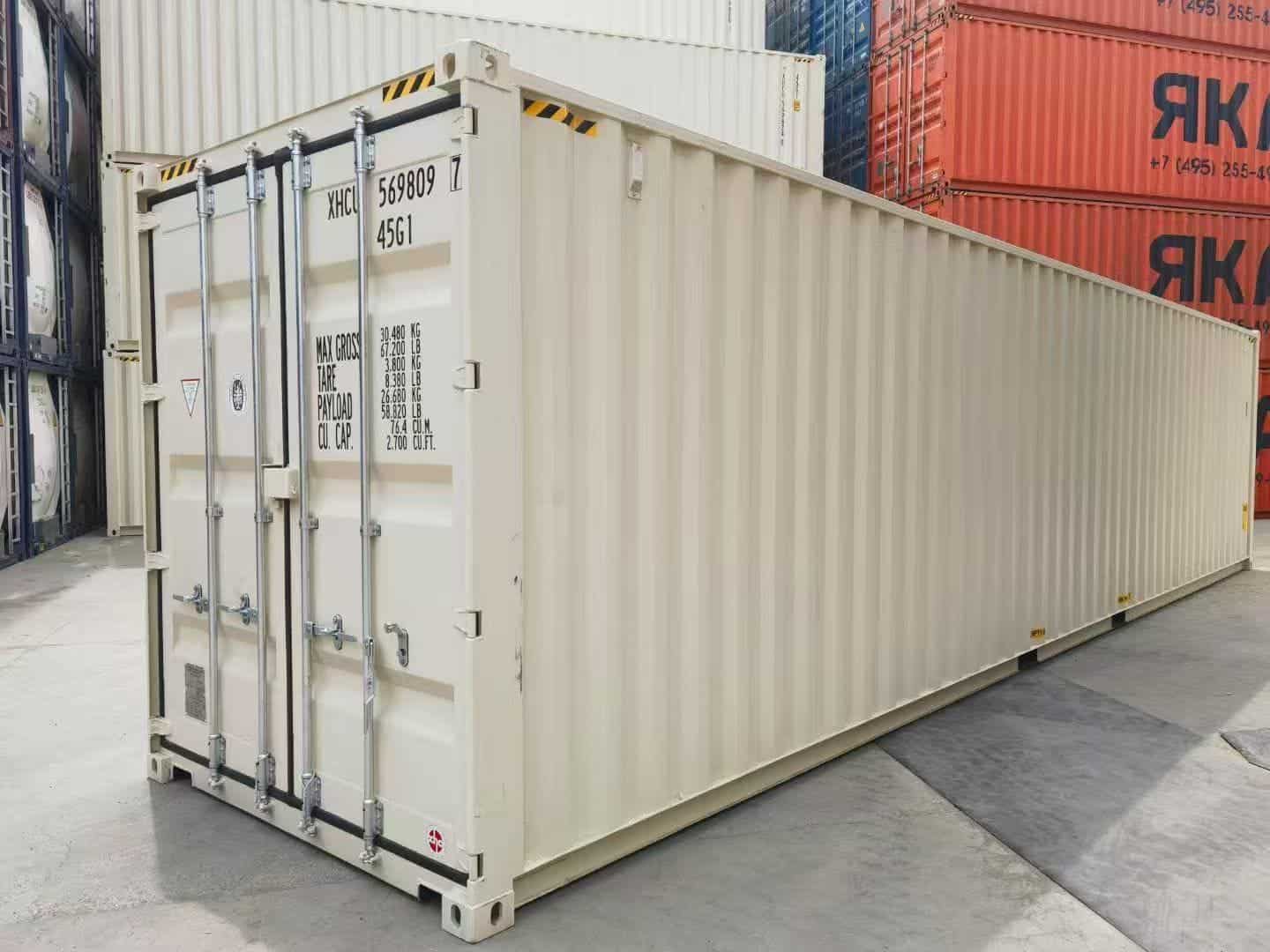
High Security Seals are mechanical locking devices tested for tensile strength, impact resistance, and tamper detection.
They are required for all containers moving under Customs‑Trade Partnership Against Terrorism (C‑TPAT) and similar global security programs.
Seal Type Comparison
| Seal Type | Classification | Common Use | Key Regulation |
|---|---|---|---|
| Indicative Seal | Basic identification only | Local or low‑value freight | No ISO certification |
| Security Seal | Medium resistance | Short‑distance transport | ISO 17712 “S” |
| High Security Seal | Maximum resistance | International ocean freight | ISO 17712 “H” |
Only “H” type seals guarantee compliance across customs authorities worldwide.
What Standard Is Required for Cargo Seals?
All cargo seals must comply with ISO 17712, which defines how seals resist tampering and how they are tested.
This ensures uniform global acceptance across border inspections.
TRUSUS compliance insight: global logistics trust starts with one shared standard—ISO 17712.

ISO 17712 Classification Overview
| Category | Minimum Tensile Strength | Test Requirement | Typical Material |
|---|---|---|---|
| Indicative (I) | Not tested | Visual check only | Plastic, wire |
| Security (S) | Moderate | Tensile and shear tests | Soft metal |
| High Security (H) | >1000 kg | Full mechanical and tamper test | Hardened steel |
When using high security seals, every seal must also carry a unique serial number, manufacturer ID, and clear “H” marking for verification.
What Is the ISO Standard for Container Seals?
The ISO standard for container seals is ISO 17712:2013.
It specifies the design, testing, and certification requirements of mechanical seals used to secure intermodal containers.
TRUSUS system insight: ISO standards turn sealing into a language of trust understood across ports.
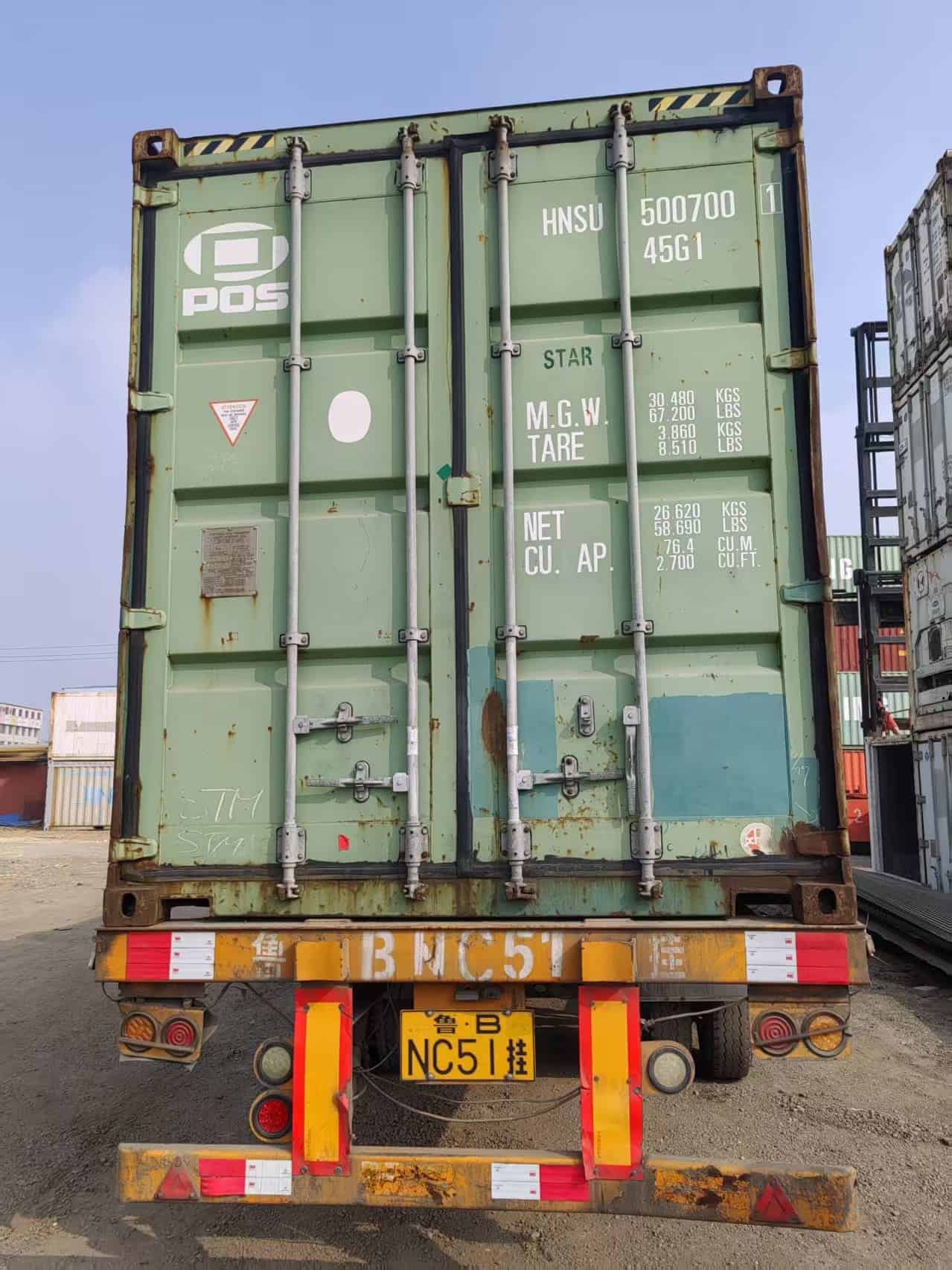
ISO 17712:2013 Key Requirements
| Clause | Description | Practical Meaning |
|---|---|---|
| 5.1 | Physical requirements for seal classification | Defines strength levels (I, S, H) |
| 6.2 | Testing procedures | Ensures anti‑tamper and durability |
| 7.3 | Marking and traceability | Each seal must show unique ID |
| Annex A | Certification process | Ensures global recognition |
When working with international freight forwarders, only seals certified under ISO 17712:2013 are accepted for export clearance.
How to Determine Door Seal Size?
To determine a container door seal size, measure both the groove width and depth of the door channel where the gasket sits.
Always measure the old seal if available to ensure a snug weather‑tight fit.
TRUSUS technical insight: for containers, the right seal size is the first defense against water and air leakage.
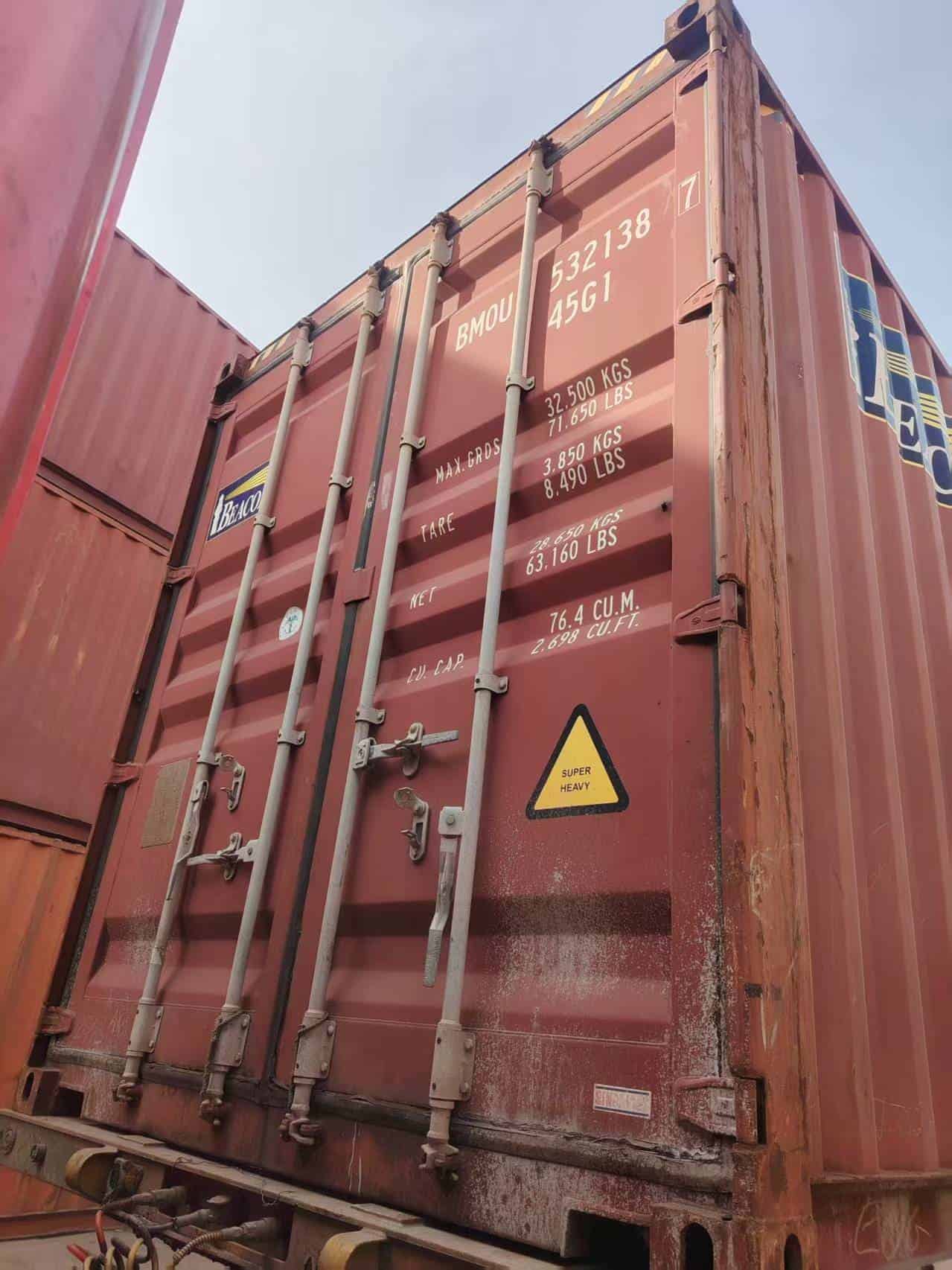
Door Seal Sizing Guide
| Container Type | Groove Width (mm) | Groove Depth (mm) | Recommended Material | Function |
|---|---|---|---|---|
| Standard 20’/40’ | 15–20 | 10–12 | EPDM Rubber | Weatherproof, flexible |
| Reefer Container | 22–25 | 13–15 | PVC + Rubber Mix | Thermal insulation |
| Modified Office Unit | Custom | Custom | Silicone Blend | Air‑tight seal |
| Second‑hand Repair | Measure old gasket | As is | Rubber or PVC | Replacement fit |
The correct door seal maintains air tightness, prevents corrosion, and preserves internal cargo or living conditions for repurposed units.
Conclusion
At TRUSUS, I believe a seal is more than a lock—it’s a symbol of reliability.
From ISO‑certified cargo security to precision door sealing, every detail protects not just goods, but the trust that moves global trade.
