




What is the lifespan of a shipping container?
Shipping containers seem indestructible, but they do age—and their journey from sea to shelter tells a surprising story about time and use.
A standard shipping container typically lasts 15–25 years, depending on how it’s used, its environment, and how well it’s maintained. After retirement, it often finds a second life in construction or storage.
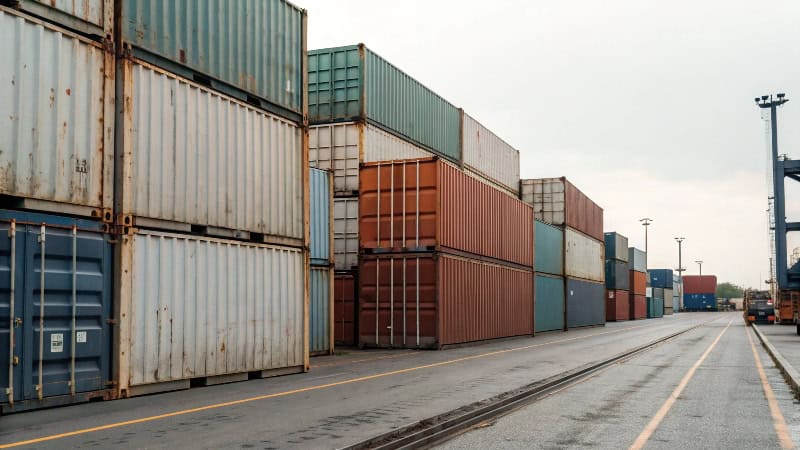
Shipping containers are built tough, but constant exposure to saltwater, heavy loads, and harsh handling takes a toll. Once their structure or sealing no longer meets shipping standards, they’re retired from active sea duty. But rather than becoming scrap, they gain new roles—transformed into modular buildings, offices, or homes. I’ve seen how old containers can shine again when properly restored. This shift from logistics tool to living space reflects how modern markets reimagine utility through reuse.
Why do shipping container homes only last 25 years?
Many people believe that shipping container homes have a strict 25-year limit. But is that really true?
The 25-year figure isn’t a structural limit—it’s a guideline tied to building codes, safety standards, and maintenance habits. With care, a container home can last far longer.
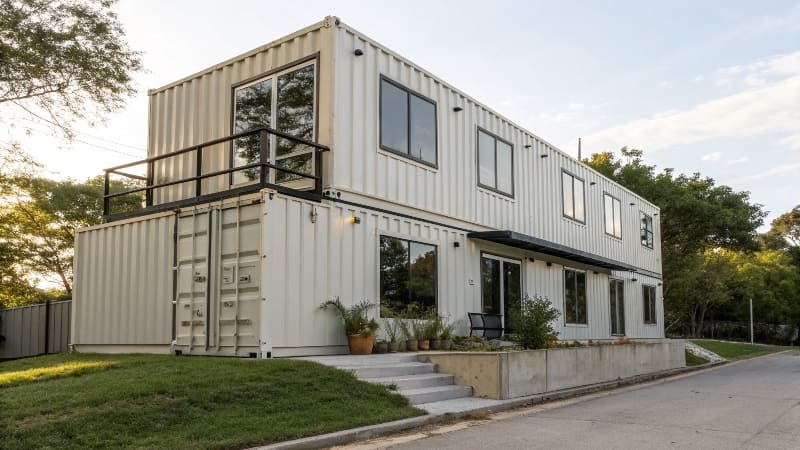
I’ve helped customers turn used containers into homes, and I’ve noticed that their lifespan depends more on treatment than on steel fatigue. Weathering steel (COR-TEN) performs beautifully when protected against corrosion. However, many people ignore basic maintenance like repainting or checking seals. This neglect shortens life. If well-insulated, properly drained, and repainted regularly, a container home’s lifespan can easily double.
| Lifespan Factor | Description | Maintenance Tip |
|---|---|---|
| Steel corrosion | Caused by moisture exposure | Repaint every few years |
| Structural stress | Due to cuts or modifications | Reinforce where panels are removed |
| Thermal changes | Expansion and contraction | Use quality insulation materials |
| Local codes | Building lifespan regulation | Consult local authorities before design |
I often tell clients that longevity is not fixed—it’s managed. A shipping container home is like any building: it rewards those who maintain it. The perception of 25 years comes from incomplete understanding, not real material limits.
Do empty shipping containers go back to China?
It’s easy to imagine that every empty shipping container from the U.S. sails back to China after unloading. That’s not quite right.
Empty containers don’t always return to China. They are repositioned based on trade flow and demand, often sold or reused locally instead of shipped back.
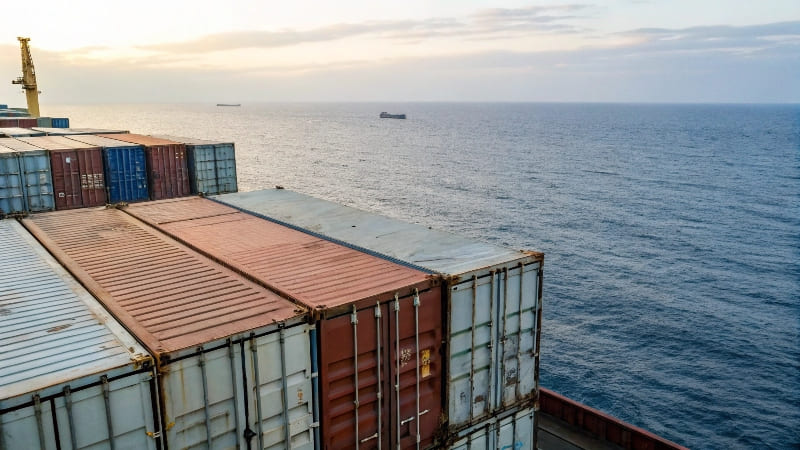
In global logistics, “repositioning” means moving containers where they’re needed most. Because returning empties across ocean routes costs thousands of dollars, carriers weigh supply and demand. When ports like Los Angeles or Rotterdam have excess containers, some get sold locally. This fuels local markets for used containers and supports recycled applications like construction, warehousing, or pop-up stores.
| Logistics Factor | Explanation | Outcome |
|---|---|---|
| Transportation cost | High cost to move empties | Encourages local resale |
| Export demand | Determines if empties are needed | Containers sent to high-export zones |
| Local markets | Entrepreneurs buy old containers | Used for housing or business modules |
| Environmental impact | Reduced travel saves fuel | Supports sustainability goals |
This dynamic helps balance trade and refresh supply chains. I’ve watched many “retired” boxes find new life not in another port, but in a backyard, where they become studios or mobile shops.
Why are shipping containers retired?
If containers are so durable, why retire them at all?
Containers retire once they no longer meet safety or performance standards for sea transport. But retirement simply means rebirth—it starts a new chapter as a reusable asset.
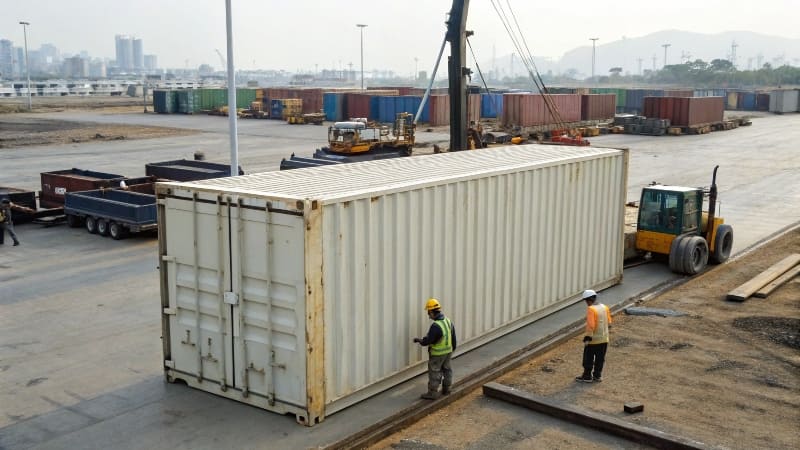
In shipping, efficiency is crucial. Containers must stay watertight and structurally sound against ocean pressure. Rust, dents, or compromised welds can cause safety risks. When that happens, carriers remove them from circulation. But those same imperfections often don’t affect land use. Through sandblasting, rust-proof coating, and simple repairs, retired containers can serve decades more on land.
| Retirement Reason | Sea Transport Risk | Land Use Solution |
|---|---|---|
| Corrosion | May cause leakage at sea | Apply anti-rust primer |
| Warping | Hard to stack safely | Use as single-level storage |
| Door damage | Hard to seal cargo | Replace lock systems for housing |
| Regulatory limits | Non-compliance with ISO | Reuse beyond shipping standards |
To me, “retirement” is not the end. It’s a transformation. Each retired container represents supply chain recalibration—a chance to breathe new purpose into steel that once crossed oceans.
Conclusion
Shipping containers don’t just expire. They evolve—from ocean carriers to creative spaces, proving that durability and reuse define their true lifespan.
