




What Is the Height of a Container House?
A standard container house uses either Standard containers (2.59 m high) or High Cube containers (2.9 m high). The choice of container directly determines inner space height. High Cube units are preferred for residential use because they allow enough headroom after insulation and ceiling finishing.
insight: comfort doesn’t depend only on numbers—it depends on how we design around them.
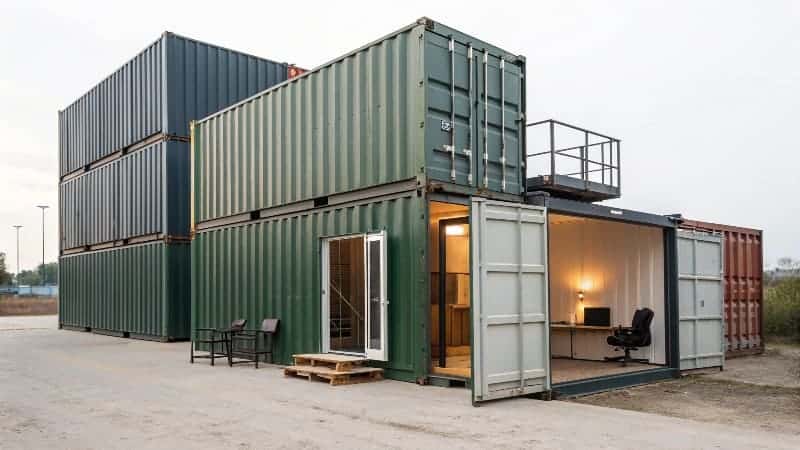
The height defines structure limits but also creative possibilities in layout and spatial feel.
What Are the Different Heights of Shipping Containers?
Shipping containers usually come in two height types—Standard (2.59 m) and High Cube (2.9 m). Both share the same length and width dimensions: most often 20 ft or 40 ft long, 2.44 m wide. High Cube containers add extra vertical space, useful for insulation or design layering.
technical insight: added height means added freedom for air flow and energy efficiency.
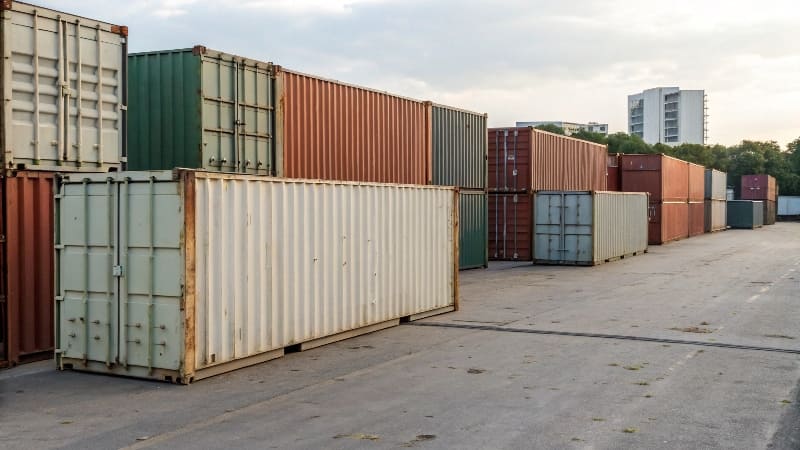
Container Size Comparison
| Type | Length | Width | Height | Interior Height |
|---|---|---|---|---|
| 20 ft Standard | 6.06 m | 2.44 m | 2.59 m | 2.39 m |
| 40 ft Standard | 12.19 m | 2.44 m | 2.59 m | 2.39 m |
| 20 ft High Cube | 6.06 m | 2.44 m | 2.9 m | 2.69 m |
| 40 ft High Cube | 12.19 m | 2.44 m | 2.9 m | 2.69 m |
Height Choice Thinking
| Condition | Recommended Type | Reason |
|---|---|---|
| Residential conversion | High Cube | Allows insulation, ceiling design |
| Storage or workshop | Standard | Easier maintenance |
| Multi-story stacking | Mixed | Balances cost and vertical alignment |
Height determines more than fit—it defines how people experience space inside.
How High Is a Container Floor from the Ground?
A container floor typically sits 25–30 cm above the ground, maintained by a steel underframe. In transport, this space allows forklift and chassis clearance. In housing use, it becomes a natural ventilation and drainage layer, reducing dampness and improving insulation.
usability insight: the “gap below” is engineering logic turned comfort feature.
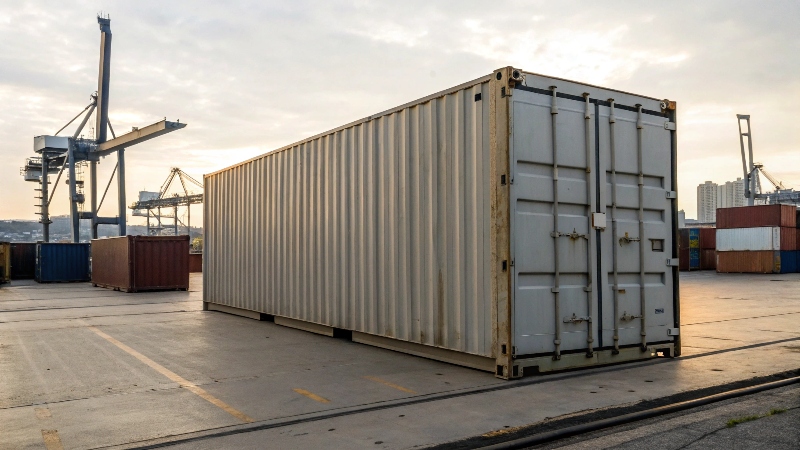
Ground Clearance Reference
| Type | Ground Clearance | Function |
|---|---|---|
| Standard & High Cube | 25–30 cm | Forklift entry, airflow space |
| Modified foundation mount | Variable (0–50 cm) | Stability and insulation |
| Elevated deck system | 40–60 cm | Outdoor integration |
How Clearance Affects Building Use
| Impact | Explanation |
|---|---|
| Better airflow under the floor | Controls internal humidity |
| Easier wiring and drain placement | Simplifies maintenance |
| Comfort stability | Acts as buffer against ground heat |
That small height difference carries structural and thermal advantages.
How Thick Is a Shipping Container Wall?
Shipping container walls are 1.6–2.0 mm thick, made of corrosion-resistant Corten steel (weathering steel). Despite thin panels, ribbed reinforcements create exceptional strength. Insulation and interior lining later increase total wall thickness in housing applications.
material insight: strength travels through design geometry, not just thickness.
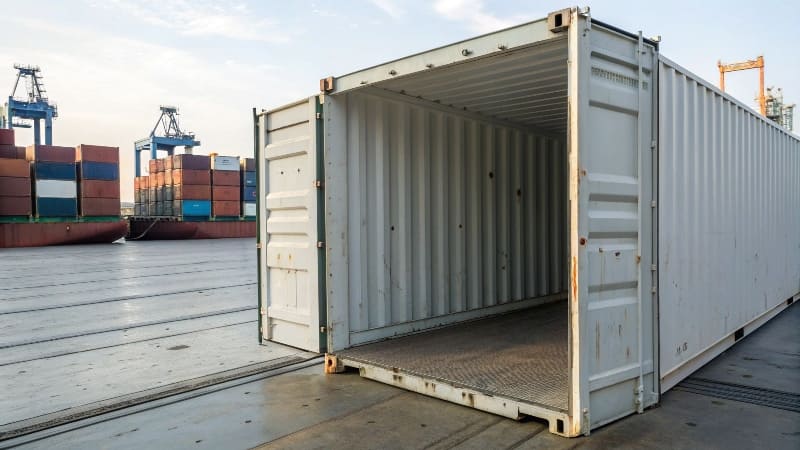
Construction Structure
| Element | Material | Thickness | Function |
|---|---|---|---|
| Side wall panels | Corten steel | 1.6–2.0 mm | Exterior weather barrier |
| Roof panel | Corrugated steel | ~1.6 mm | Rain runoff and rigidity |
| Floor panel | Marine plywood + steel frame | 28–30 mm | Load capacity |
| Reinforcement ribs | Welded steel | Variable | Structural support |
After Conversion
| Layer | Material | Purpose |
|---|---|---|
| Internal studs | lightweight steel | hold insulation |
| Insulation | rock wool or PU foam | thermal control |
| Finish board | gypsum or cement board | interior design skin |
The steel shell stays thin; design additions make it functional and livable.
Conclusion
Container dimensions—height, clearance, and wall thickness—shape not only structural limits but the way people occupy modular spaces. Standard and High Cube systems each serve different design goals. At TRUSUS, we believe container measurements start as data but become human-scale architecture through creative adaptation.
