




What Is The Door Opening Height Of A 20-Foot Container?
The standard door opening height of a 20-foot shipping container is about 2.28 meters (7 feet 6 inches). This height is slightly lower than the internal container height because the door frame and sealing structure take up space.
TRUSUS container insight: more customers now ask about exact door dimensions because container applications increasingly require precise equipment and space compatibility.
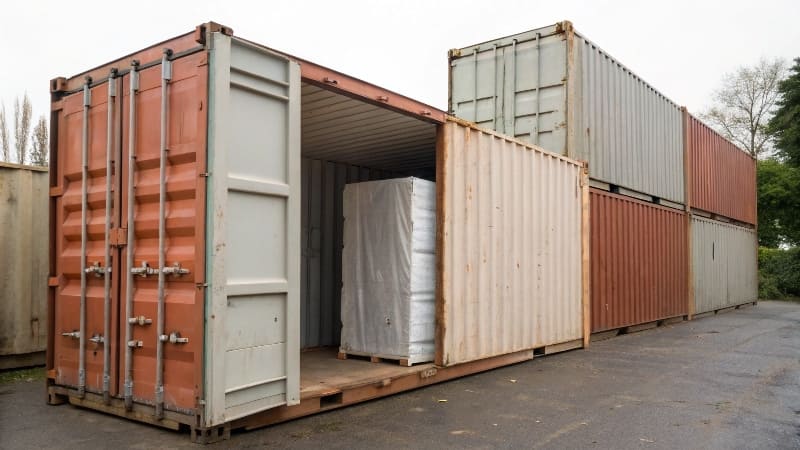
I increasingly see customers discover that external container size and actual usable opening size are very different things.
Small dimension differences can create major application limits.
Standard Door Opening Dimensions
| Dimension | Standard 20 ft Container |
|---|---|
| Door opening height | About 2.28 m |
| Internal height | About 2.39 m |
The door frame slightly reduces usable clearance.
Why Door Height Matters
| Application | Importance |
|---|---|
| Equipment storage | Entry clearance |
| Forklift loading | Safe operation |
| Container housing | Comfortable access |
Door dimensions directly affect usability.
Why Internal Height And Door Height Differ
| Structural Element | Purpose |
|---|---|
| Door header frame | Structural strength |
| Rubber sealing system | Weather protection |
| Steel reinforcement | Security and durability |
Container doors must balance strength and function.
Common Height-Related Challenges
| Challenge | Result |
|---|---|
| Oversized machinery | Entry restriction |
| Tall cargo | Loading difficulty |
| Interior modifications | Reduced clearance |
Accurate planning prevents costly mistakes.
Why Customers Ask More Detailed Questions
| Traditional Container Use | Modern Container Applications |
|---|---|
| Basic cargo storage | Precision equipment storage |
| Simple transport needs | Customized space conversion |
| General dimension awareness | Exact clearance requirements |
Applications are becoming more specialized.
The Industry Shift Behind Door-Height Questions
| Traditional Container Industry | Modern Space-Application Industry |
|---|---|
| Standard product sales | Precision application consulting |
| General specification focus | Functional compatibility focus |
| Cargo-centered thinking | User-centered planning |
I increasingly believe technical application consulting will become a major part of container services.
What Is The Door Opening Of A 20' Standard Container?
The standard door opening of a 20-foot shipping container is approximately 2.34 meters (7 feet 8 inches) wide and 2.28 meters (7 feet 6 inches) high. The opening uses a double-door system with two swinging steel doors.
TRUSUS engineering insight: exact door-opening dimensions are critical for logistics planning and container conversion projects.
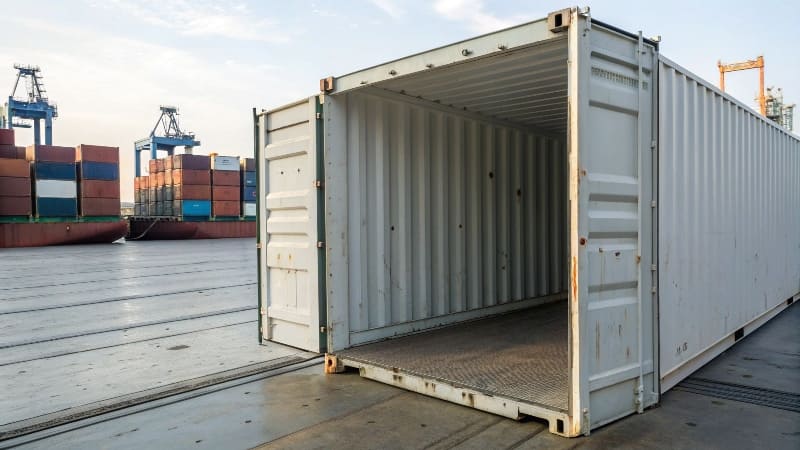
I increasingly see professional users request exact opening measurements before purchase instead of relying only on overall container size.
Real operational space matters more than exterior dimensions.
Standard Door Opening Specifications
| Door Specification | Standard Size |
|---|---|
| Opening width | About 2.34 m |
| Opening height | About 2.28 m |
These dimensions follow ISO standards.
Double-Door Configuration
| Door Feature | Description |
|---|---|
| Two swinging doors | Full-width access |
| Locking bars | Cargo security |
| Heavy-duty hinges | Structural durability |
The design supports industrial operation.
Why Width Matters
| Equipment Type | Importance |
|---|---|
| Forklifts | Entry clearance |
| Pallet systems | Efficient loading |
| Large machinery | Dimensional compatibility |
Width often becomes the main loading limitation.
Door Threshold Considerations
| Feature | Approximate Size |
|---|---|
| Door sill height | 15–20 cm |
Even small thresholds affect loading operations.
Why Accurate Opening Data Matters
| Planning Area | Benefit |
|---|---|
| Equipment installation | Better fit analysis |
| Transport logistics | Reduced operational risk |
| Conversion design | Improved layout planning |
Precision improves project efficiency.
Why Application Thinking Is Changing
| Traditional Container Selection | Modern Application Planning |
|---|---|
| Basic size awareness | Exact operational analysis |
| Simple storage use | Specialized functional use |
| Generic applications | Precision compatibility planning |
Container buyers are becoming more technically informed.
The Industry Shift Behind Door-Opening Questions
| Traditional Container Supply | Modern Technical-Service Supply |
|---|---|
| Product inventory focus | Application-support focus |
| General sales support | Engineering-level consultation |
| Standardized transactions | Customized project assistance |
I increasingly see dimension consulting become part of value-added service.
How Tall Are The Doors On A Shipping Container?
Most standard shipping container doors are about 2.28 meters (7 feet 6 inches) tall. High-cube containers usually have taller doors at about 2.58 meters (8 feet 6 inches).
TRUSUS application insight: door height differences strongly affect storage efficiency, equipment access, and conversion flexibility.
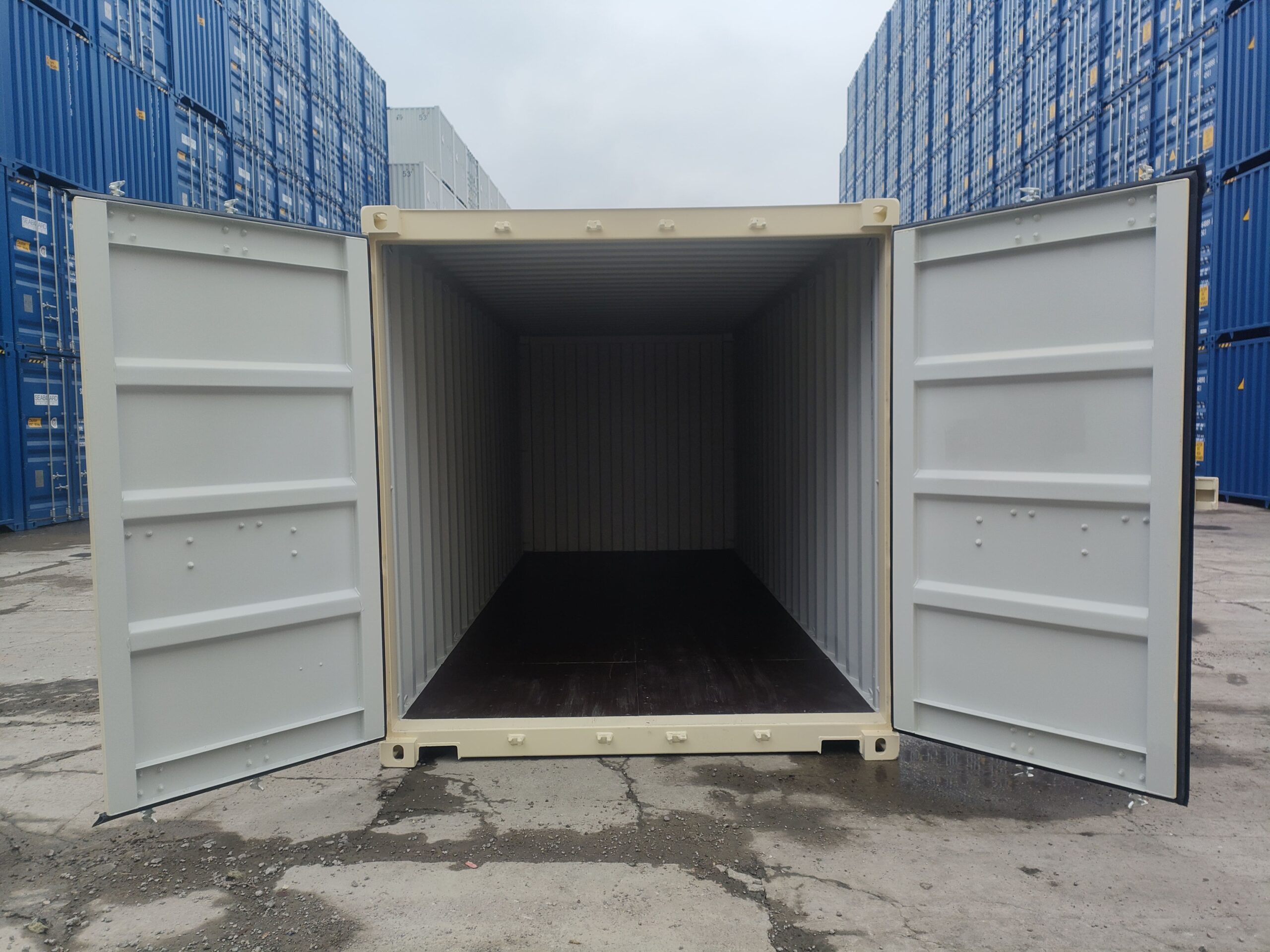
I increasingly see clients choose between standard and high-cube containers mainly because of access height needs.
Vertical space has become more valuable.
Standard Vs High-Cube Door Heights
| Container Type | Door Height |
|---|---|
| Standard container | About 2.28 m |
| High-cube container | About 2.58 m |
High-cube containers provide extra clearance.
Why Taller Doors Matter
| Use Case | Advantage |
|---|---|
| Industrial equipment | Easier loading |
| Modular construction | Better interior flexibility |
| Mobile workshops | Improved accessibility |
Additional height expands application options.
Structural Reasons For Door Dimensions
| Structural Factor | Purpose |
|---|---|
| Reinforced top rail | Structural integrity |
| Door gasket system | Water and air sealing |
| Corner-frame support | Load transfer |
Container engineering balances durability and access.
Common Industries Concerned About Door Height
| Industry | Reason |
|---|---|
| Manufacturing | Machine transport |
| Construction | Material access |
| Event and exhibition | Interior build-outs |
Professional users often need precise clearance analysis.
Why Height Awareness Is Growing
| Traditional Container Market | Modern Conversion Market |
|---|---|
| Cargo-focused use | Space-focused use |
| General handling requirements | Specialized equipment integration |
| Standard logistics planning | Architectural and engineering planning |
Container applications are becoming more complex.
The Industry Shift Behind Door-Height Comparisons
| Traditional Shipping Industry | Modern Modular-Space Industry |
|---|---|
| Transport-oriented thinking | Human-space-oriented thinking |
| Basic dimensional reference | Functional optimization planning |
| Standard equipment supply | Integrated project support |
I increasingly believe dimensional optimization will shape future container customization trends.
How Far Do Container Doors Open?
Shipping container doors usually open up to 270 degrees, allowing the doors to fold nearly flat against the container side walls. This wide opening supports easier cargo loading, unloading, and equipment access.
TRUSUS operational insight: many users overlook door swing clearance until installation or daily operation begins.
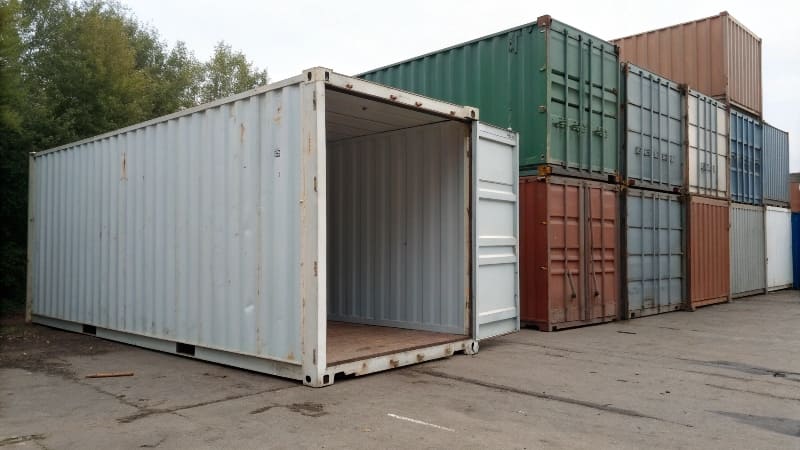
I increasingly see site-layout problems caused by insufficient space for door operation.
Door clearance planning is often underestimated.
Standard Door Opening Angles
| Door Type | Typical Opening Angle |
|---|---|
| Standard container doors | Up to 270° |
Wide opening improves operational efficiency.
Space Needed For Door Operation
| Door Area | Recommended Clearance |
|---|---|
| Single-side operation | About 1.2–1.5 m |
| Full double-door operation | Clearance on both sides |
Operational space affects usability.
Why Wide Door Opening Matters
| Benefit | Result |
|---|---|
| Easier forklift entry | Faster loading |
| Improved cargo access | Better workflow |
| Reduced handling difficulty | Safer operation |
Wide access improves logistics performance.
Common Site-Planning Mistakes
| Mistake | Consequence |
|---|---|
| Insufficient side clearance | Restricted door movement |
| Tight container spacing | Reduced accessibility |
| Obstructed loading paths | Lower efficiency |
Door operation should be planned early.
Why Door Clearance Matters In Conversions
| Conversion Type | Importance |
|---|---|
| Container offices | Entry comfort |
| Container homes | Outdoor usability |
| Equipment containers | Maintenance access |
Door movement affects daily experience.
Why Operational Questions Are Increasing
| Traditional Container Usage | Modern Human-Centered Usage |
|---|---|
| Simple cargo access | Frequent human interaction |
| Temporary operations | Permanent installations |
| Basic logistics focus | Comfort and convenience focus |
Containers increasingly function as active spaces.
The Industry Shift Behind Door-Operation Questions
| Traditional Container Industry | Modern Application-Service Industry |
|---|---|
| Product-delivery focus | User-experience focus |
| Standard operational assumptions | Customized operational planning |
| Equipment-centered thinking | Space-function-centered thinking |
I increasingly see container suppliers evolve into practical application consultants.
Conclusion
At TRUSUS, I see container dimensions evolving from simple technical data into critical application-planning tools. Future industry value will come from precision consulting, space compatibility analysis, operational optimization, and professional application support.
