




What Is the Difference Between Flatbed and Flat Rack Container?
Flatbed containers have only the bottom platform, no side or end walls. Flat rack containers have end frames that can be fixed or collapsible, adding stacking ability and structural support.
TRUSUS insight: flatbeds carry freedom, flat racks carry form.
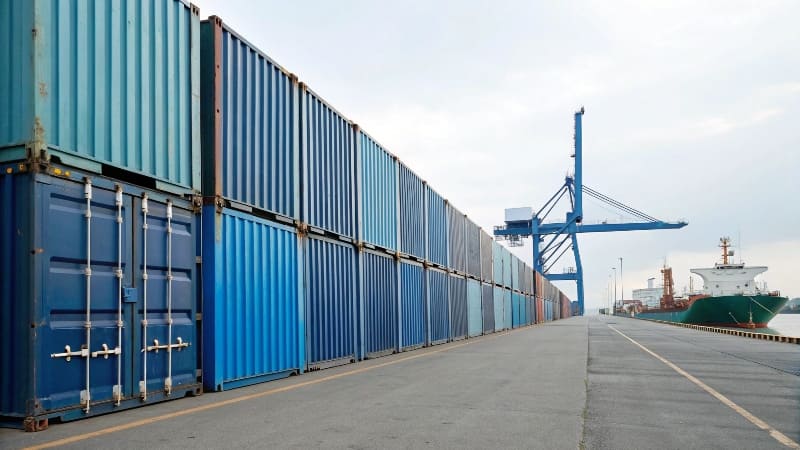
Flatbeds are ideal for large or irregular cargo like machinery or pipes that exceed width or height limits. Flat racks combine versatility and strength, offering secure stacking while retaining an open middle section.
How Many Types of Flat Rack Containers Are There?
Flat rack containers come in two main types: fixed-end and collapsible-end. These variations serve distinct needs in heavy-duty cargo and transport flexibility.
transport insight: smart structure saves cost both in loading and returning.
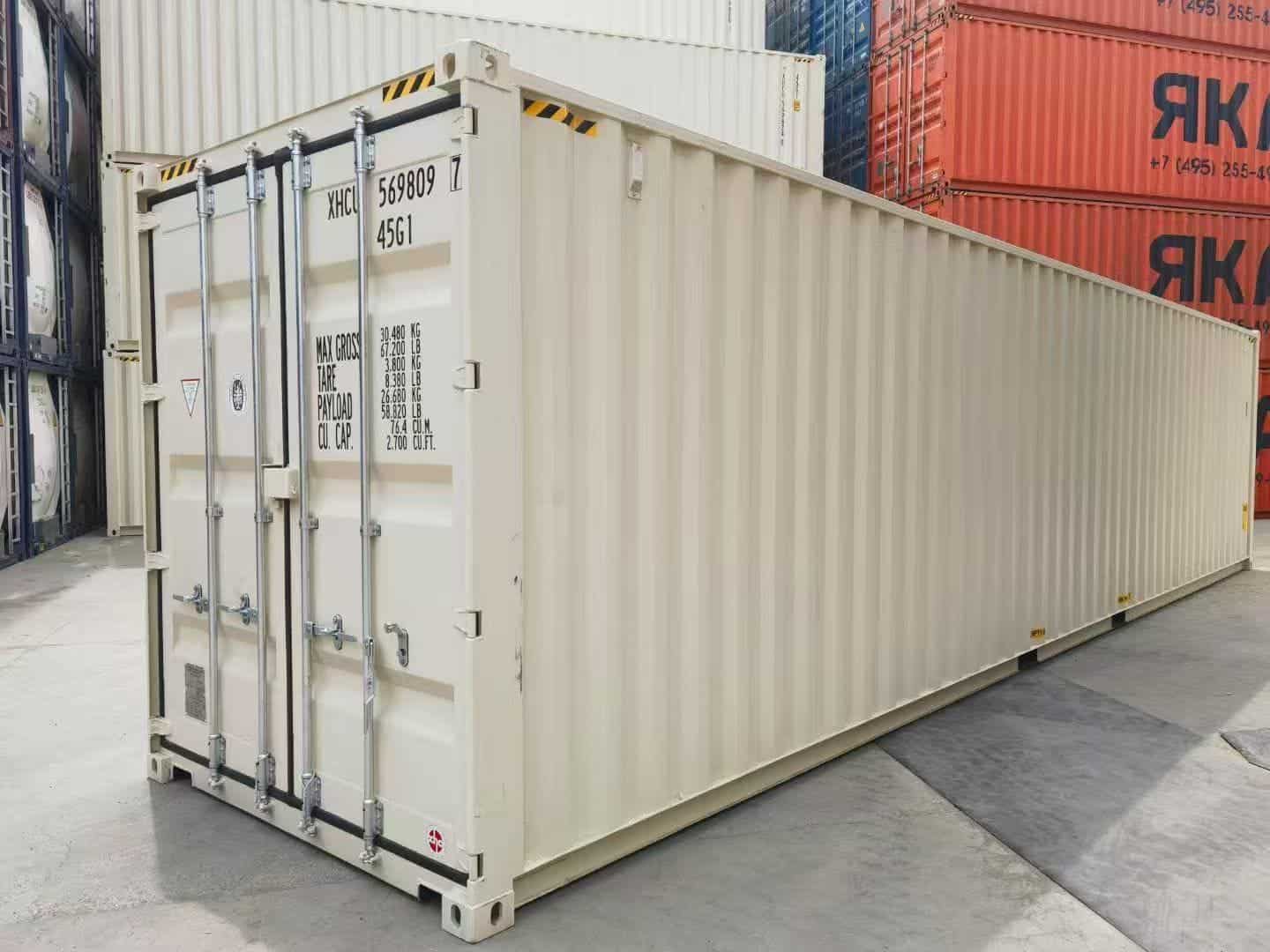
Flat Rack Container Types
| Type | End Walls | Main Use | Strength Level |
|---|---|---|---|
| Fixed End | Non-folding | Support heavy loads | Maximum rigidity |
| Collapsible End | Foldable inward | Space-saving transport | Moderate rigidity |
Application Scope
| Industry | Preferred Type | Reason |
|---|---|---|
| Heavy machinery | Fixed end | Needs stronger end walls |
| Shipping leasing | Collapsible end | Low cost return trips |
| Construction materials | Mixed | Balances strength and flexibility |
Both types represent how container engineering adapts to cargo diversity and economic efficiency.
What Is a Flat Rack Container?
A flat rack container is a specialized shipping structure with a reinforced floor and strong end frames. It is designed for transporting oversized or irregular goods that cannot fit into standard containers.
modular insight: it’s an open design for a world of non-standard cargo.

Flat Rack Essential Features
| Component | Function | Material |
|---|---|---|
| Forklift pockets | Easy ground handling | Steel base design |
| End walls | Protect and support ends | Fixed or foldable steel |
| Lashing rings | Tie-down cargo | Grade 8 strength |
| Reinforced floor | Bear weight up to 45 tons | Hardwood or steel |
Use Case Breakdown
| Cargo Type | Reason for Choosing Flat Rack |
|---|---|
| Heavy machinery | Too large for standard boxes |
| Vehicles | Needs accessible open sides |
| Industrial modules | Easier top loading and unloading |
Flat racks are practical yet flexible, bridging standard logistics with oversized industrial applications.
What Does a Flat Rack Container Look Like?
A flat rack container looks like a steel platform with two heavy end frames—open on sides and top. When ends fold down, it resembles a single flatbed that can stack efficiently with others.
design insight: when edges disappear, possibilities appear.
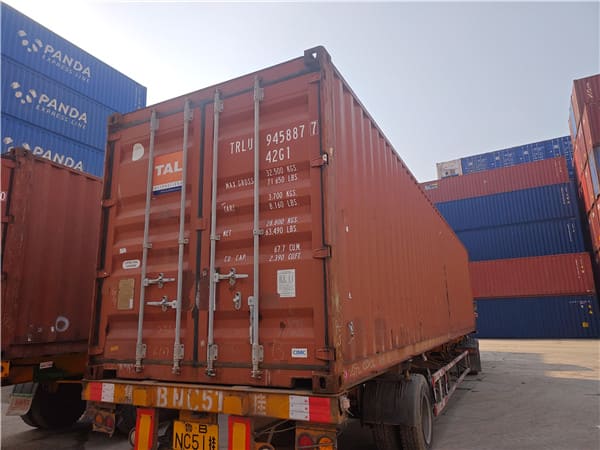
Anatomical Structure
| Visual Part | Description | Role |
|---|---|---|
| Bottom deck | Heavy flat surface | Cargo support |
| End frames | Vertical walls at both ends | Keeps items stable |
| No side walls | Open exposure | Allows irregular shapes |
| Tie-down fittings | Along edges | Secure lifting points |
Practical Outlook
| Feature | Industrial Meaning |
|---|---|
| Open-form body | High adaptability |
| Foldable structure | Compact storage |
| Welded steel frame | Long-term durability |
Its open architecture makes it widely used for log transport, equipment delivery, and creative modular use such as exhibition or building bases.
Conclusion
Flatbed and flat rack containers embody shipping freedom. Flatbeds offer openness, flat racks add structure. With fixed and collapsible choices, they connect transport and design. At TRUSUS, we see these containers not only for moving cargo—but for moving ideas—proving that even in steel, adaptability is the future.
