




What Is The Container Freight Index?
A container freight index tracks average shipping rates for container transport across major global trade routes. Indexes like SCFI and WCI help measure supply chain pressure, shipping demand, and market conditions.
TRUSUS logistics insight: container freight indexes now act as indicators of global economic activity.
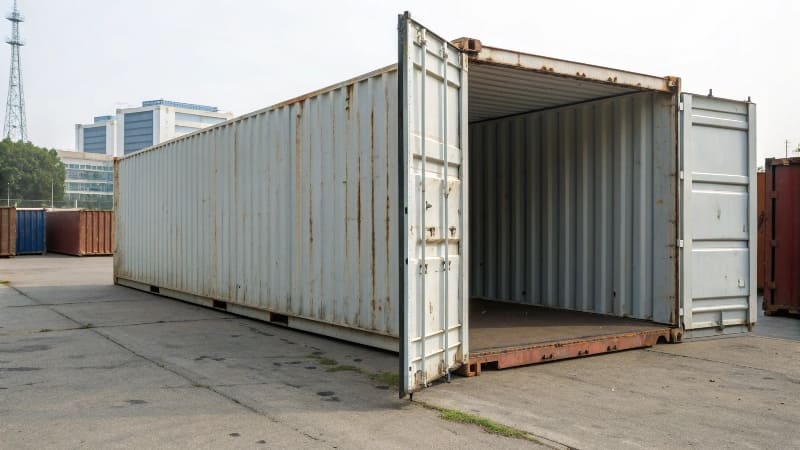
Many people think freight indexes only show shipping prices. But after years in the container industry, I see them as real‑time signals of how smoothly global trade is functioning.
When freight rates rise sharply, the issue is often not transportation alone. It usually reflects port congestion, equipment shortages, demand surges, or supply chain imbalance across multiple regions.
Container shipping has become deeply connected to the world economy itself.
What Is The International Container Index?
An international container index measures global container shipping performance across different trade lanes and regions. It reflects trends in freight pricing, cargo flow, and shipping capacity utilization worldwide.
TRUSUS market insight: international container indexes reveal changes in global trade confidence.

Common Container Shipping Indexes
| Index | Full Name | Main Purpose |
|---|---|---|
| SCFI | Shanghai Containerized Freight Index | Export freight tracking |
| WCI | World Container Index | Global route comparison |
| CCFI | China Containerized Freight Index | Long‑term shipping trends |
During the pandemic, I watched freight indexes rise to levels many people had never imagined possible. The reason was not simply “more expensive containers.”
The real causes included:
- Port congestion
- Empty container shortages
- Delayed vessel schedules
- Sudden global demand increases
At one point, container freight costs directly influenced inflation in many countries.
That experience changed how people viewed containers. They were no longer just transport equipment. They became indicators of worldwide economic stress and supply chain resilience.
Modern trade depends on stable logistics as much as manufacturing itself.
How Is Container Freight Calculated?
Container freight is usually calculated based on container size, shipping route, cargo weight, fuel costs, port charges, and market demand. Additional fees may include customs, congestion surcharges, and inland transportation.
TRUSUS shipping insight: modern freight pricing depends more on system efficiency than distance alone.
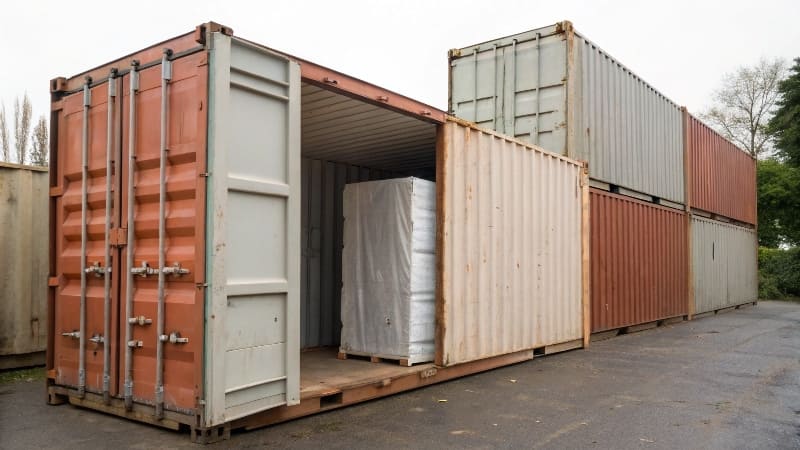
Main Freight Cost Factors
| Freight Factor | Impact On Cost |
|---|---|
| Container type | Different capacities and rates |
| Route distance | Basic transportation cost |
| Port efficiency | Delays increase expenses |
| Fuel prices | Affects carrier operating cost |
| Equipment availability | Shortages raise pricing |
| Seasonality | Peak demand affects rates |
Many customers ask me why freight prices can change dramatically even on the same route.
The answer is that modern shipping is not controlled by distance alone anymore.
Today, freight cost depends heavily on:
- Container turnaround speed
- Port handling efficiency
- Availability of empty containers
- Vessel scheduling reliability
For example, when containers cannot return quickly from congested ports, the entire logistics system slows down. That creates equipment shortages in other regions and pushes rates upward globally.
Container shipping has become a competition of circulation efficiency rather than simple transportation distance.
That is why shipping companies increasingly invest in:
- Automated ports
- Digital scheduling
- Predictive container management
- Route coordination systems
Efficient flow now creates more value than raw transport capacity.
Which Unit Is Commonly Used To Quantify The Capacity Of Shipping Containers In Global Trade?
The most common unit is TEU, which stands for Twenty‑foot Equivalent Unit. One TEU equals the capacity of a standard 20‑foot shipping container.
TRUSUS standardization insight: TEU created a universal language for global logistics.
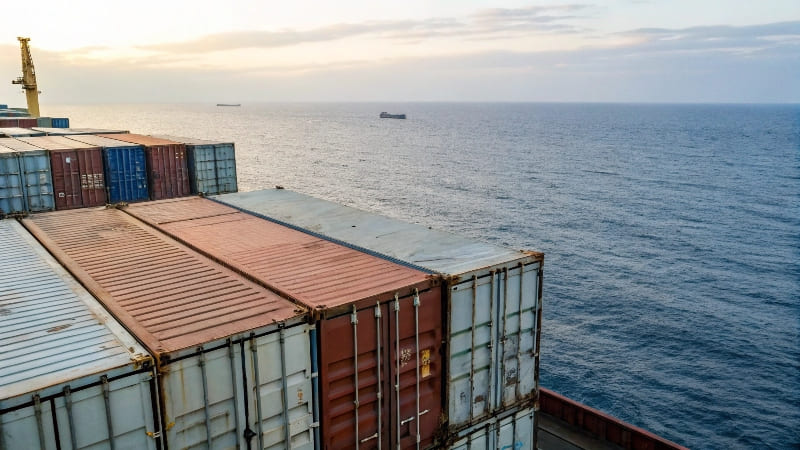
Standard Container Units
| Unit | Meaning | Example |
|---|---|---|
| TEU | 20‑foot equivalent unit | Standard 20ft container |
| FEU | 40‑foot equivalent unit | Standard 40ft container |
| Capacity rating | Port or vessel handling ability | Measured in TEUs |
Many people outside shipping assume container logistics simply counts physical boxes.
In reality, the industry depends on standardized capacity measurement.
TEU allows:
- Ports to calculate throughput
- Shipping lines to manage vessel loading
- Rail systems to coordinate transport
- Warehouses to plan storage space
Without standard units, global logistics coordination would become extremely inefficient.
I believe TEU is one of the most important invisible systems behind globalization. It allows different countries, ports, carriers, and infrastructure networks to operate using the same spatial language.
The power of containerization is not just transportation. It is standardized cooperation at a global scale.
Conclusion
At TRUSUS, I see containers as far more than steel cargo boxes. Freight indexes, TEU measurement, and shipping calculations together form the operating language of global trade, supply chain coordination, and modern economic efficiency.
