




What Is the Cheapest Way to Insulate a Shipping Container?
Every week, someone asks me: “What’s the cheapest way to insulate a shipping container?” The question always sounds simple, but the answer depends on how you define “cheap.”
The cheapest insulation method is usually spray foam or rigid foam boards applied directly to the container’s interior walls. Spray foam costs the least per square meter when factoring performance and labor, while rigid panels provide budget flexibility and easy do-it-yourself installation.
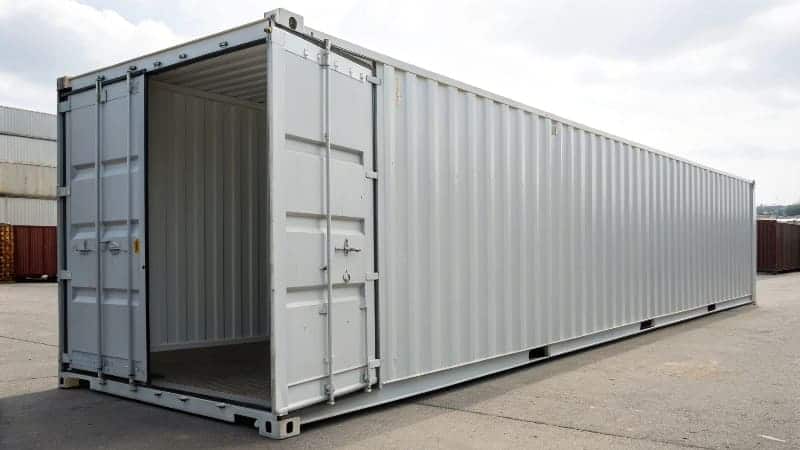
Of course, low cost doesn’t always mean lowest total expense. Poor insulation choices can lead to condensation, corrosion, or increased energy bills over time. I learned early on that protecting steel from moisture matters even more than the insulation price tag.
Can You Insulate a Shipping Container From the Outside?
This is another practical question that divides designers and builders alike.
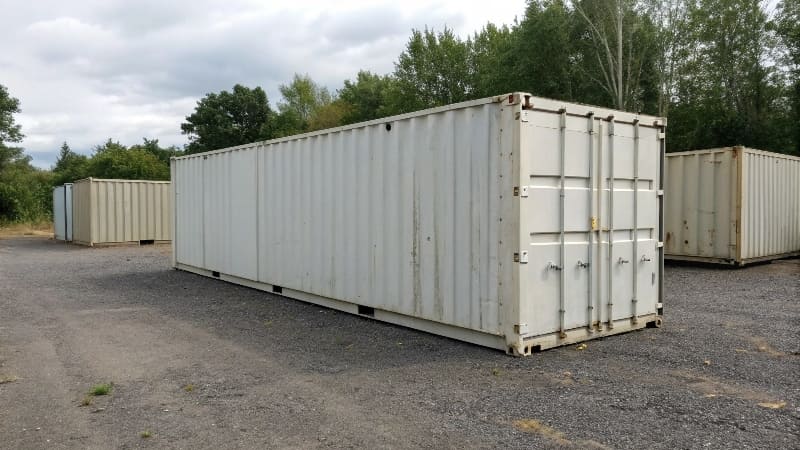
Yes, you can insulate a shipping container from the outside, and in fact, this method performs better in extreme hot or cold climates. Exterior insulation keeps the metal shell away from direct temperature changes, preventing condensation and extending the steel’s lifespan.
Choosing Between Interior and Exterior Insulation
When I consult for clients, I often create a simple comparison chart to weigh efficiency, cost, and space usage before deciding the right approach.
| Type | Advantages | Disadvantages | Cost Level |
|---|---|---|---|
| Interior Insulation | Easy installation; protects internal climate quickly | Reduces interior space; risk of condensation behind walls | 💰 Low |
| Exterior Insulation | Protects steel from heat and corrosion; better long-term durability | Higher material and labor cost; requires waterproof finish | 💰💰 Medium |
| Hybrid System | Combines both protection and energy efficiency | Complex design, more components | 💰💰💰 High |
Exterior insulation involves sealing layers such as rigid foam panels, air barriers, and weather cladding, but the payoff is in reduced maintenance and thermal stability after completion.
How Much Does It Cost to Insulate a 40 ft Shipping Container?
This is where clients start analyzing real numbers for their budgets.
The cost to insulate a 40 ft container varies widely, typically ranging from $1,500 to $4,000, depending on the method, materials, and desired performance level. Spray foam is the most cost-efficient for total coverage, while exterior composite panels cost more but last longer.

Breaking Down the Cost Factors
In my projects, I divide the cost analysis into specific components to help customers make better financial decisions.
| Insulation Method | Material Cost (USD) | Installation Cost (USD) | Final R-Value | Maintenance Frequency |
|---|---|---|---|---|
| Spray Foam (Closed-cell) | 1,200–2,200 | 400–600 | R-6 per inch | Minimal |
| Rigid Foam Panels (EPS or XPS) | 800–1,500 | 600–800 | R-4–R-5 per inch | Low |
| Mineral Wool + Vapor Barrier | 1,000–1,800 | 800–1,200 | R-5 | Medium |
| External Composite Panels | 2,000–3,000 | 1,000–1,500 | R-6–R-8 | Very low |
The right balance depends on where the container sits. In dry, mild areas, internal foam may perform perfectly. In humid or coastal zones, exterior insulation saves more money in the long run by preventing condensation damage.
Are Insulated Containers Worth the Cost?
Customers often ask this last because they want reassurance that their investment pays off.
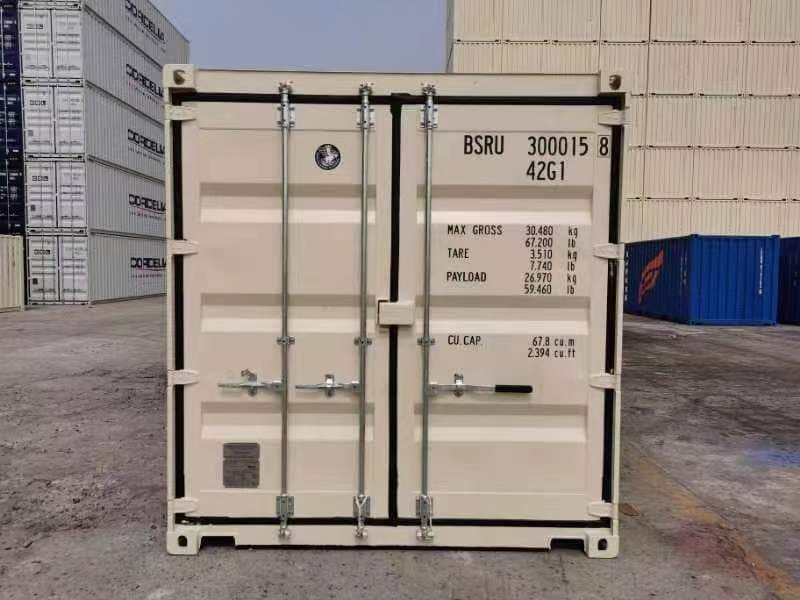
Yes, insulated containers are worth the cost—but not just for comfort. Proper insulation increases lifespan, lowers HVAC use, prevents rust, reduces maintenance, and supports long-term resale value.
Understanding Long-Term Value vs. Initial Cost
In my experience supplying insulated containers for offices, homes, and storage units, the numbers show that insulation is less of an expense and more of a strategic preservation tool.
| Benefit Category | Short-Term Impact | Long-Term Value |
|---|---|---|
| Temperature Control | Livable comfort | Lower energy bills |
| Corrosion Protection | Prevents early wear | Extends lifespan 2–3× |
| Interior Condensation | Stops mold and damp air | Reduces maintenance cycles |
| Asset Stability | Looks and feels professional | Increases resale value |
Insulation turns a steel box into a long-lasting space solution. Even a modest budget ensures higher comfort and lower operating costs. I often tell clients, “You’re not paying only for insulation—you’re buying durability.”
Conclusion
The cheapest way to insulate a shipping container is with spray foam or rigid panels, but the best results come from matching materials with location and design. Exterior insulation protects the steel body and prevents condensation, while interior installations suit smaller budgets. Insulation for a 40 ft container ranges from $1,500 to $4,000. In the end, insulated containers aren’t an expense—they’re an investment in energy efficiency, comfort, and longevity.
