




What Is the Best Foundation for a Container?
Every customer who plans to use a shipping container eventually asks the same question: “What kind of foundation should it sit on?”
The best foundation for a container depends on the intended use, soil condition, and permanence of installation. Ideal choices include concrete slab, concrete pier, steel frame, or screw pile systems for a stable, level, and well-drained base.
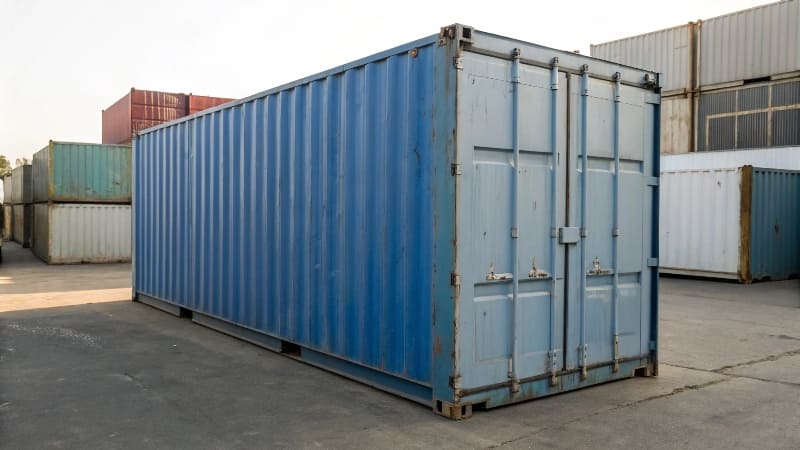
Over the years selling and installing containers, I’ve learned that the “foundation” isn’t only about placing the box firmly—it’s about creating a lasting connection between the container structure and the ground system beneath it.
What Do You Put Under a Container?
It’s common to think you just need something flat under a container, but surface choice affects ventilation, drainage, and long-term structural health.
A container should sit on a level, load-bearing base, such as concrete pads, gravel beds, or steel beams. This setup prevents corrosion, moisture buildup, and uneven stress on its frame.
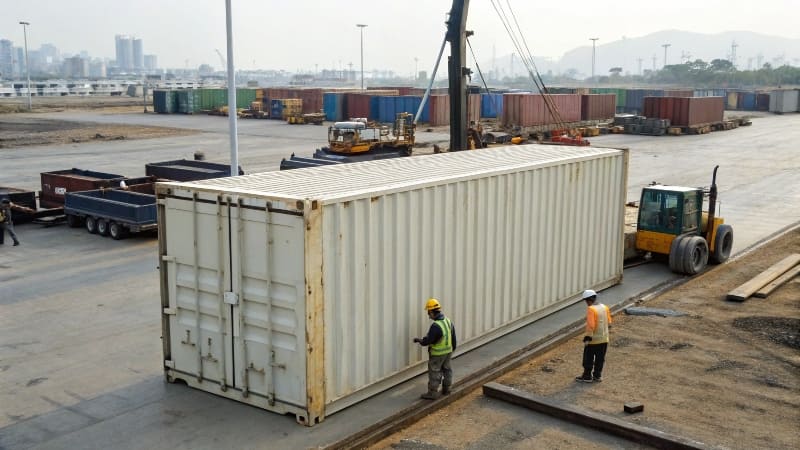
Choosing What to Place Beneath
In my practice, I always tell clients not to rush to “drop and go.” A container’s underside takes most moisture damage. Elevation and airflow beneath keep rust away and ensure even weight transfer.
| Base Type | Use Case | Benefits | Notes |
|---|---|---|---|
| Concrete Pads | Permanent setups | High stability, minimal maintenance | Use level formwork |
| Gravel Bed | Temporary/mobile | Easy installation, good drainage | Compact well to prevent shift |
| Steel Beams | Adjustable, modular builds | Allows height control | Check corrosion protection |
| Wooden Sleepers | Short-term yard use | Cost-effective and portable | Susceptible to rot long-term |
A well-prepared ground surface can extend the life of your container significantly, reducing maintenance needs and preventing bottom panel damage.
What Is the Best Base to Put a Shipping Container On?
For long-term or residential uses, foundation design should go beyond simple level surfaces—it should match environmental and load requirements.
The best base for a shipping container combines strength, drainage, and elevation. Concrete strips or a full slab are preferred for permanent installations, while gravel or screw pile foundations suit relocatable containers.
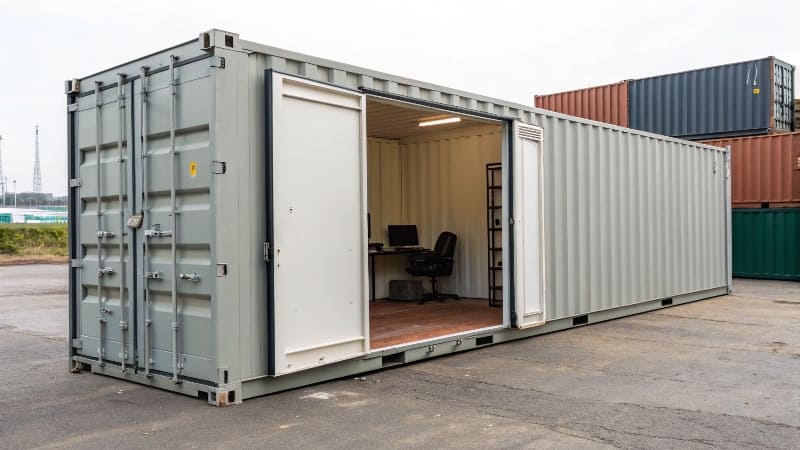
How to Pick the Right Base System
When helping clients set up foundations, I often categorize choices by purpose and local soil condition. A wrong base might cause tilt, drainage failure, or frame distortion.
Permanent Installations: Use continuous concrete strip footing beneath container corners. It balances weight and prevents settling under heavy load.
Semi-Permanent or Modular Use: Gravel or screw pile systems support ventilation and allow future relocation without major site works.
Soft or Uneven Terrain: Steel framework foundations distribute load evenly while maintaining level even in varying soil compaction.
| Setup Type | Recommended Foundation | Key Feature |
|---|---|---|
| Residential Container Home | Concrete slab / piers | Rigid and moisture-proof |
| Mobile Storage | Gravel pad / steel sleepers | Quick setup, cost-effective |
| Stacked Containers | Reinforced concrete pads | High vertical load handling |
| Coastal / Wet Zone | Elevated screw piles | Prevent water pooling |
Selecting the right foundation depends on intended lifespan, soil conditions, and environmental exposure.
What Does a Shipping Container Need to Sit On?
Shipping containers are engineered with strong corner castings that carry vertical loads, not entire floor surfaces. So proper base support is essential to preserve alignment and prevent frame twist.
A container should sit on stable, level points—ideally under all four corners—with drainage clearance beneath. Concrete blocks, steel piers, or modular base frames each provide reliable support aligned with its structural corners.
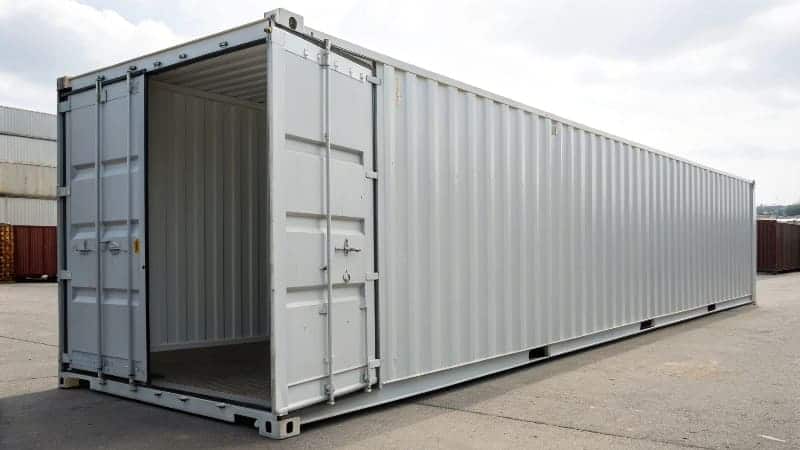
Structural and Environmental Principles
In installation, I emphasize two goals: keep it level and keep it dry. Direct ground contact often leads to bottom rusting and uneven stress. Even a few centimeters of clearance under corners improve longevity.
-
Load Bearing at Corners: Support points must meet corner castings directly to maintain frame geometry.
-
Proper Drainage: An open base prevents water pooling underneath, stopping steel corrosion.
-
Elevation and Ventilation: Space beneath allows airflow, preventing condensation damage and keeping interiors dry.
-
Soil Stability: Test ground compaction; loose soil leads to uneven settling and door misalignment.
| Requirement | Why It Matters | Example Solution |
|---|---|---|
| Level Base | Maintains door and structural function | Concrete strip foundation |
| Drainage | Prevents bottom corrosion | Gravel or elevated beams |
| Corner Support | Distributes container load correctly | Concrete blocks under corners |
| Airflow | Reduces moisture accumulation | Raised steel beams |
Without proper sitting points, even a strong container can warp or retain water—foundations are not optional details but part of long-term system stability.
Conclusion
A shipping container must sit on a stable, level, and well-drained foundation that matches its intended use. The best options include concrete slabs, piers, gravel bases, or screw piles—chosen according to permanence and terrain. Proper corner support, elevation, and air circulation prevent rust and deformation. In short, the right foundation isn’t just what the container sits on—it’s the structural trust that sustains its performance and lifespan.
