




What Is the Alarm System for a Shipping Container?
Shipping container alarm systems combine sensors, location tracking, and remote alerts. Modern containers integrate door contact alarms, vibration sensors, and GPS modules.
TRUSUS security insight: protection starts when steel becomes smart.
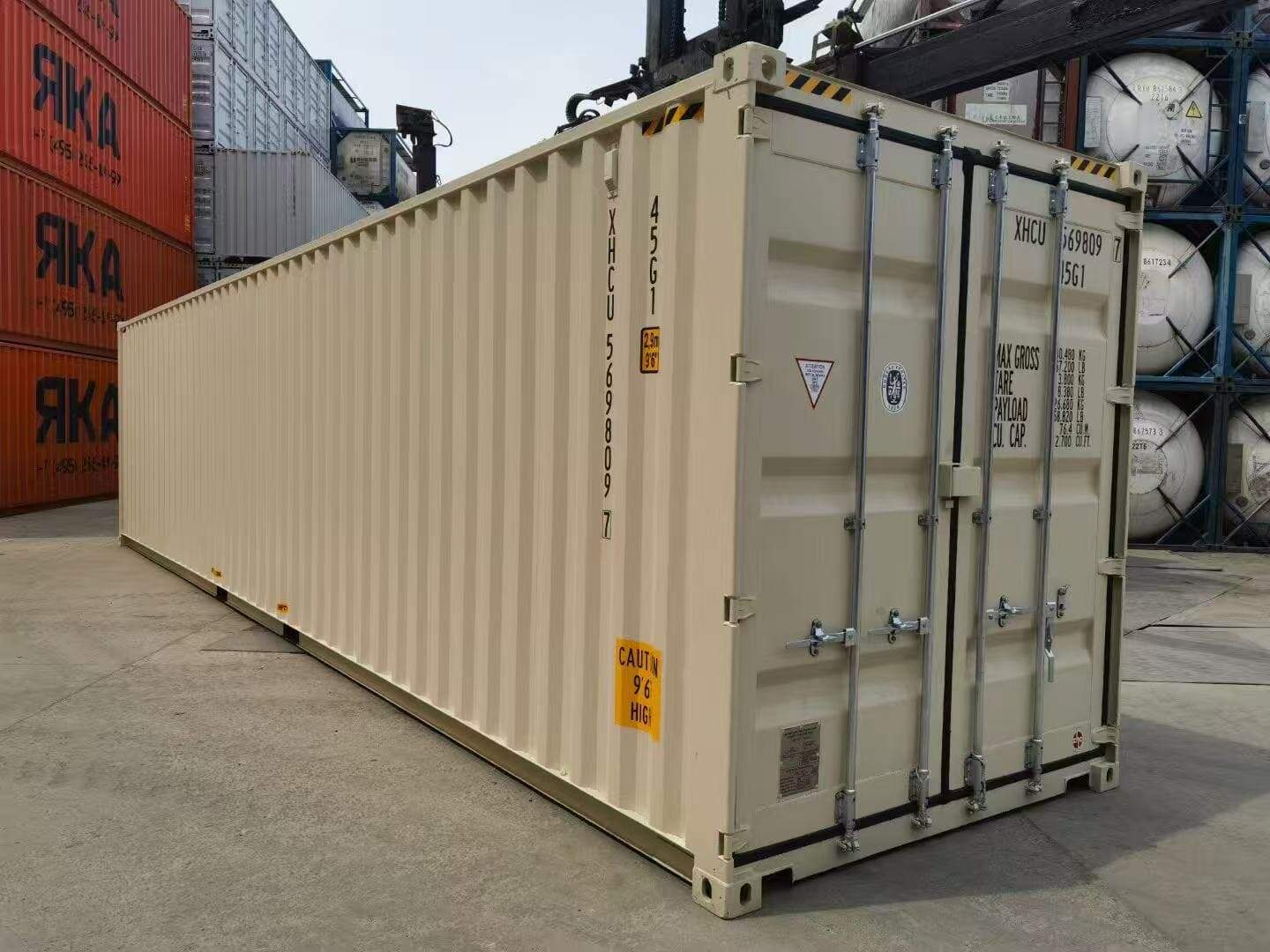
Door sensors trigger alerts when unauthorized access happens. GPS tracking maintains location visibility during transport or storage. Combined together, they transform the container from a silent box into a monitored asset—alive within global networks.
How to Secure a Shipping Container From Theft?
Use a layered method: high‑security padlocks, reinforced lock boxes, welded hasps, and electronic alarm units. For high‑value goods or static storage sites, add lighting and camera surveillance.
TRUSUS prevention insight: security isn’t only locks; it’s predictable control.
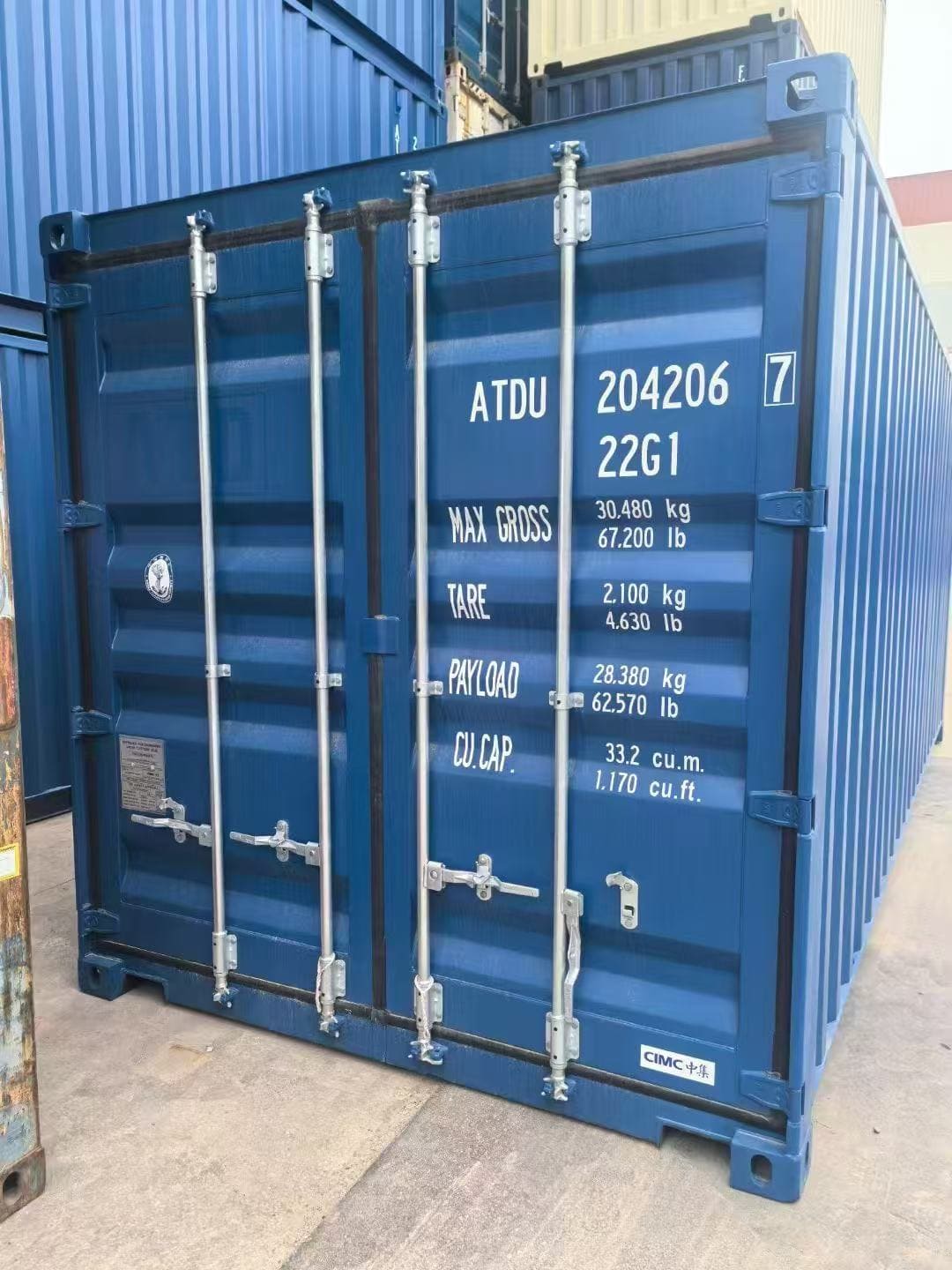
Container Security Layers
| Layer | Description | Purpose | Recommended Use |
|---|---|---|---|
| Mechanical protection | Lockbox, anti‑cut padlock | Resist physical breach | All environments |
| Surveillance | CCTV or motion cameras | Record and deter intrusion | Large yards |
| Electronic sensors | Door and vibration alarms | Real‑time detection | Static sites |
| Connectivity | GPS or 4G module | Remote notification | Fleet or leased units |
| Environmental control | Smart lighting | Visual deterrent | Urban projects |
I once helped secure a client’s mobile store built from a container. After installing door alarms and GPS alerts, theft attempts declined to zero within a month.
What Are the Different Types of Cargo Containers?
Shipping containers vary by material, purpose, and cargo type. Each type reflects a unique balance between protection, efficiency, and adaptability.
TRUSUS product insight: the diversity tells how wide the logistics world has become.
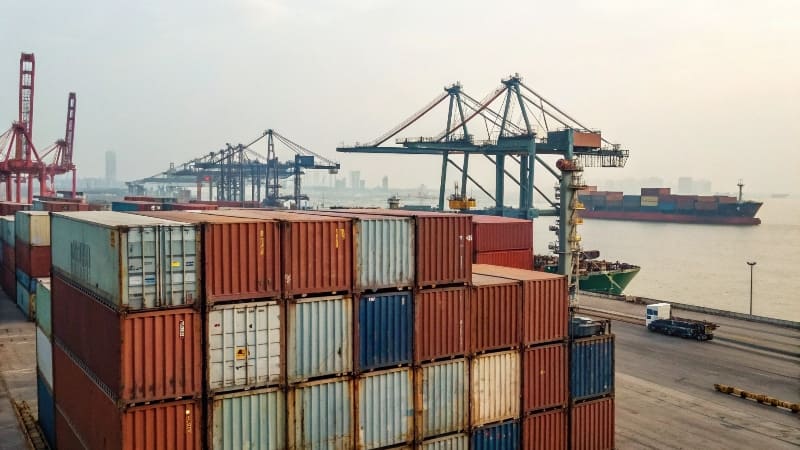
Cargo Container Reference
| Container Type | Core Feature | Typical Use | Size Range |
|---|---|---|---|
| Dry (Standard) | Steel body, sealed | General cargo | 10–40 ft |
| High‑cube | Extra height (9 ft 6 in) | Voluminous cargo | 40–45 ft |
| Reefer (Refrigerated) | Temperature control unit | Perishables | 20–40 ft |
| Open‑top | Removeable roof | Machinery or tall loads | 20–40 ft |
| Flat‑rack | End frames only | Heavy or outsized cargo | 20–40 ft |
| Tank | Internal cylinder | Liquids or chemicals | 20 ft |
Each type needs different protective logic. At TRUSUS, we often remind users that “security always starts with the right container choice.”
What Type of Container Is Used for Perishable Cargo?
Perishable cargo travels in refrigerated containers—also known as reefer containers. They maintain a stable temperature through integrated cooling systems powered by electricity or gensets.
TRUSUS cold‑chain insight: freshness depends on controlled air and continuous monitoring.

Reefer Container Specifications
| Feature | Typical Value | Function |
|---|---|---|
| Temperature range | ‑25 °C to +25 °C | Preserve food, pharmaceuticals |
| Insulation type | Polyurethane panels | Retain cold efficiently |
| Power source | 380 V AC or portable genset | Continuous operation |
| Monitoring system | Smart sensors + remote data | Track temperature history |
I once saw banana shipments ruined because a reefer container’s alarm was ignored for eight hours. That small delay turned logistics precision into financial loss—proof that sensors protect more than goods; they safeguard trust.
Conclusion
At TRUSUS, I believe container safety is evolving from mechanical defense to intelligent asset management. Locks resist theft, alarms detect threat, but smart systems preserve value—the new boundary where protection meets technology.
