




What is NOR Container?
Many assume all containers serve single purposes throughout their service life, but understanding NOR containers reveals flexible asset utilization strategies in global shipping. NOR containers represent efficient resource management that maximizes container fleet utilization across different cargo types.
NOR (Non-Operating Reefer) containers are refrigerated containers operating without cooling systems activated, functioning as dry cargo containers while maintaining reefer structural features, allowing shipping lines to optimize fleet utilization and reduce empty container repositioning costs.
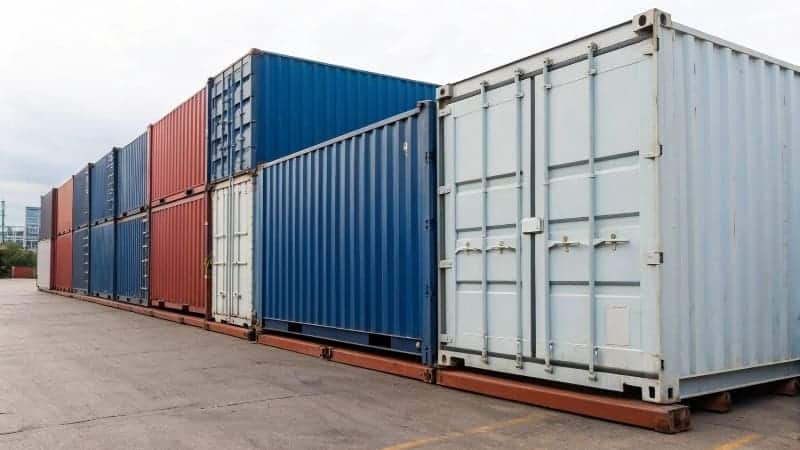
Through decades of container sales and fleet management consultation, I learned that NOR operations represent sophisticated asset management strategies that demonstrate how shipping economics drive container utilization beyond traditional category boundaries, creating flexible solutions for cargo and fleet optimization.
What is a 40 NOR Container?
Understanding 40-foot NOR container specifications helps clarify this specialized application and its role in shipping operations. The 40-foot NOR container combines reefer construction with dry cargo functionality for flexible fleet management and cargo accommodation.
A 40-foot NOR container is a 40-foot refrigerated container operating without cooling systems, providing 2,350 cubic feet of cargo space with reefer structural strength and insulation properties while functioning as dry cargo container for non-temperature-sensitive goods.
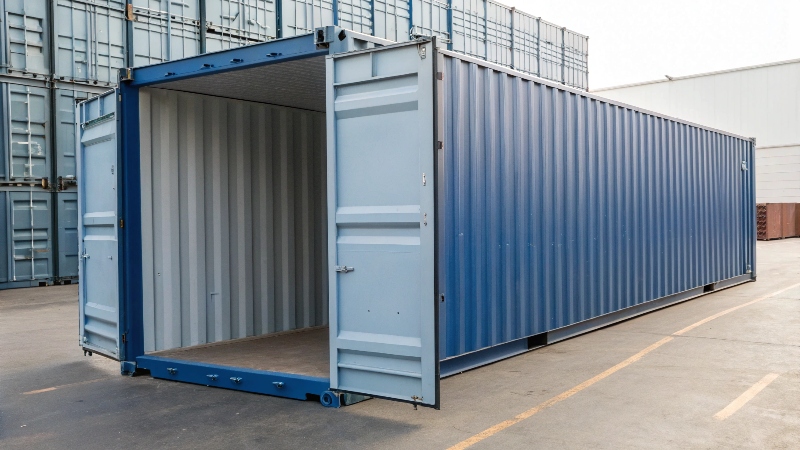
Comprehensive Analysis of 40-Foot NOR Container Characteristics and Applications
40-foot NOR container operations involve complex interactions between reefer construction, dry cargo requirements, and fleet optimization strategies that maximize asset utilization while serving diverse cargo needs. During my experience working with container fleet management and shipping optimization, I learned that NOR operations represent sophisticated resource allocation that benefits both carriers and shippers.
Dimensional specifications for 40-foot NOR containers match standard 40-foot reefer containers with external dimensions of 40 feet long, 8 feet wide, and 8 feet 6 inches high while internal dimensions accommodate cargo stowage requirements. Internal capacity reaches approximately 2,350 cubic feet with payload capacity around 27 tons depending on container construction.
Structural characteristics include reinforced construction designed for reefer operations with enhanced insulation, stronger floor systems, and modified ventilation that provide benefits even in NOR applications. Structural strength exceeds standard dry containers while insulation properties may benefit temperature-sensitive cargo even without active cooling.
Power systems remain installed but deactivated during NOR operations including electrical connections, control systems, and cooling units that can be reactivated for future reefer service. Maintaining power systems allows flexible conversion between NOR and active reefer operations based on cargo requirements and market demand.
Cargo suitability for NOR containers includes dry goods, non-hazardous materials, and cargo requiring enhanced structural protection while avoiding cargo requiring active temperature control. Cargo compatibility ensures safe transport while maximizing container utilization within operational limitations.
Fleet optimization benefits include reduced empty container repositioning, improved asset utilization, and flexible cargo accommodation that optimize shipping economics. NOR operations allow carriers to balance container supply and demand across different trades while maintaining service flexibility.
Cost implications include potential premium rates for enhanced container features while avoiding reefer operation costs including fuel consumption, maintenance, and specialized handling. Cost structure may benefit shippers requiring enhanced protection while avoiding full reefer charges.
Operational procedures for NOR containers include power system deactivation, cargo loading protocols, and documentation requirements that differ from both standard dry and active reefer operations. Proper procedures ensure safe operations while maintaining equipment condition for future use.
Market applications include trades with unbalanced reefer demand, cargo requiring enhanced protection, and situations where dry container availability is limited. Understanding market dynamics helps optimize NOR utilization while meeting customer requirements effectively.
Documentation requirements may include special notations, cargo compatibility verification, and power system status confirmation that ensure proper handling throughout the supply chain. Proper documentation prevents operational confusion while ensuring appropriate container treatment.
Future flexibility allows conversion back to active reefer service when market conditions or cargo requirements change, maintaining long-term asset value while accommodating short-term operational needs. Flexibility provides strategic advantages for fleet management and cargo accommodation.
| Specification Category | 40' NOR Container | Comparison to Standard Dry | Operational Benefits |
|---|---|---|---|
| External dimensions | 40' x 8' x 8'6" | Identical to dry container | Standard handling equipment |
| Internal capacity | ~2,350 cu ft | Similar to dry capacity | Adequate cargo space |
| Payload capacity | ~27 tons | Comparable to dry container | Full cargo weight capability |
| Structural strength | Enhanced (reefer grade) | Stronger than standard dry | Better cargo protection |
| Insulation properties | Retained | Superior to dry container | Temperature moderation |
| Power systems | Installed but inactive | Not applicable | Future reefer conversion |
| Operating costs | Lower than active reefer | Similar to dry container | Cost-effective operation |
| Market flexibility | High | Limited to dry cargo | Multi-purpose capability |
What Are the Three Types of Containers?
Understanding container classifications helps clarify shipping options and equipment selection for different cargo types. Container categories reflect functional requirements and specialized features that accommodate diverse shipping needs in global trade.
The three main container types are dry containers for general cargo, refrigerated containers for temperature-controlled goods, and specialized containers including tank, flat rack, and open-top containers for specific cargo requirements and handling needs.
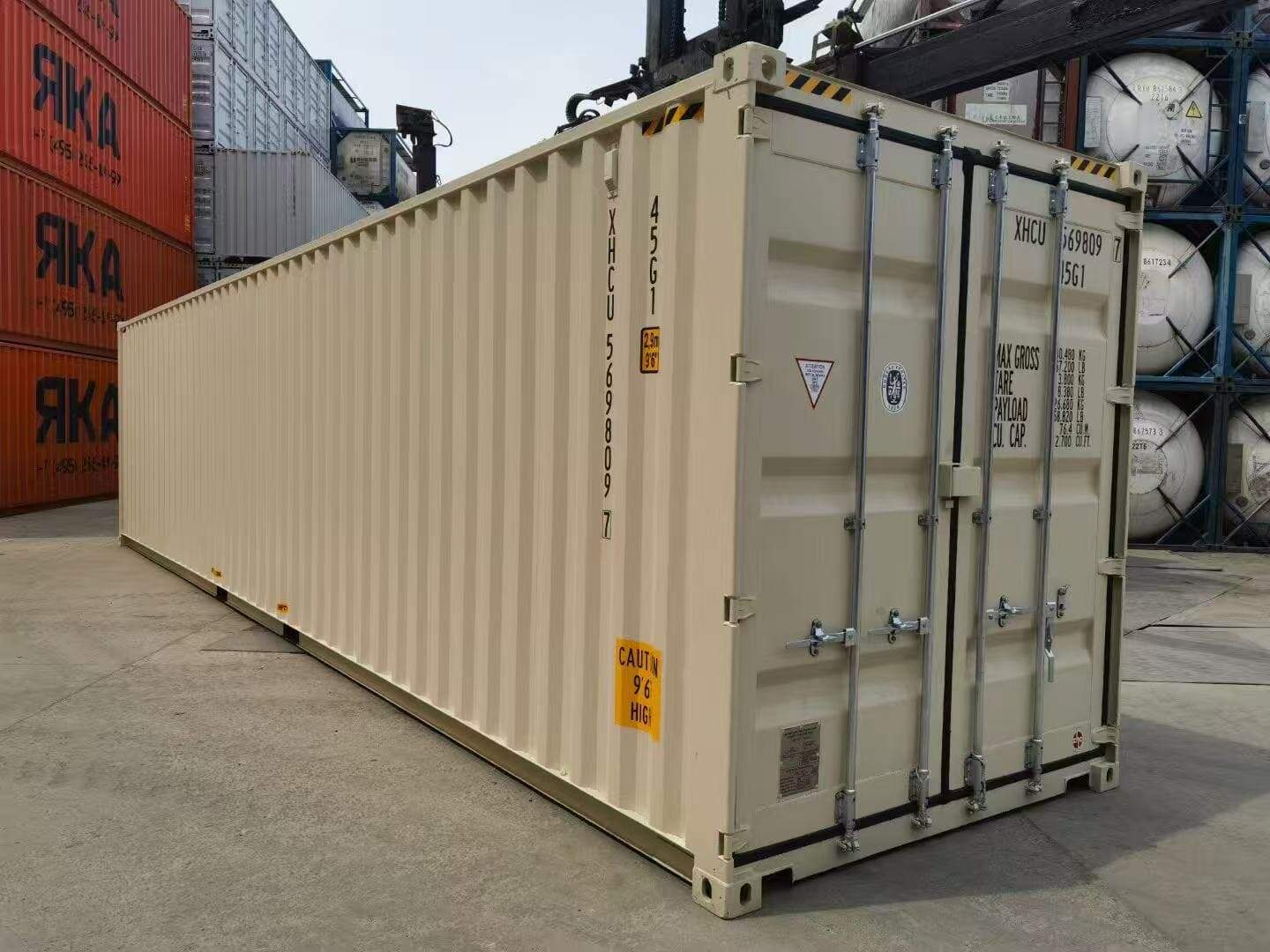
Detailed Container Type Analysis and Application Guidelines
Container type classification involves functional characteristics, specialized features, and cargo compatibility that determine appropriate equipment selection for specific shipping requirements. During my experience working with diverse container applications and cargo types, I learned that understanding container categories optimizes cargo handling while ensuring equipment suitability for specific transport needs.
Dry containers represent the most common container type designed for general cargo including manufactured goods, textiles, electronics, and non-perishable items that require basic weather protection. Standard construction includes steel framework, corrugated walls, and wood or bamboo flooring that provide adequate protection for most cargo types.
Dry container variations include standard height and high cube versions with 20-foot and 40-foot lengths being most common while specialized dry containers may include features like extra doors, ventilation, or modified internal configurations. Size selection depends on cargo characteristics and transport requirements.
Refrigerated containers serve temperature-sensitive cargo including fresh produce, frozen foods, pharmaceuticals, and chemicals requiring controlled temperature and humidity conditions. Integrated refrigeration systems maintain precise temperature control while monitoring systems ensure cargo quality throughout transport.
Reefer container capabilities include heating and cooling functions, humidity control, fresh air exchange, and data logging that accommodate diverse temperature-sensitive cargo requirements. Advanced control systems provide precise environmental management while real-time monitoring ensures cargo integrity.
Specialized containers accommodate cargo that cannot fit standard dry or reefer containers including oversized items, bulk liquids, hazardous materials, and cargo requiring special handling. Specialized designs include tank containers, flat racks, open-top containers, and purpose-built units for specific industries.
Tank containers transport bulk liquids including chemicals, food products, and industrial materials through specialized cylindrical tanks mounted in standard container frames. Tank construction meets international standards while providing safe transport for diverse liquid cargo types.
Flat rack containers accommodate oversized or irregularly shaped cargo that exceeds standard container dimensions through collapsible end walls and open sides. Flat racks enable transport of machinery, vehicles, and construction equipment while maintaining container handling compatibility.
Open-top containers serve cargo requiring top loading through removable roof structures that accommodate oversized or bulky items. Tarpaulin covers provide weather protection while allowing flexible loading options for specialized cargo requirements.
Market considerations include container availability, rental rates, and specialized handling requirements that affect equipment selection and transportation costs. Understanding market dynamics helps optimize container selection while managing transportation expenses effectively.
Regulatory compliance requirements vary by container type and cargo classification including safety certifications, environmental standards, and international transport regulations. Compliance ensures legal transport while preventing delays and penalties during international shipping.
| Container Type | Primary Applications | Key Features | Cargo Examples |
|---|---|---|---|
| Dry containers | General cargo transport | Weather protection, secure closure | Manufactured goods, textiles, electronics |
| Standard dry | Non-temperature sensitive goods | Steel construction, wood flooring | Consumer products, machinery, raw materials |
| High cube dry | Volume-optimized cargo | Extra height (9'6") | Light, bulky goods, retail merchandise |
| Refrigerated containers | Temperature-controlled transport | Active cooling/heating systems | Fresh produce, frozen foods, pharmaceuticals |
| Standard reefer | Perishable goods | Precise temperature control | Fruits, vegetables, dairy, meat products |
| Super freezer | Frozen cargo | Ultra-low temperature capability | Frozen seafood, ice cream, vaccines |
| Specialized containers | Unique cargo requirements | Purpose-built designs | Oversized, liquid, hazardous materials |
| Tank containers | Bulk liquid transport | Pressurized cylindrical tanks | Chemicals, food liquids, industrial fluids |
| Flat rack containers | Oversized cargo | Collapsible ends, open sides | Heavy machinery, vehicles, construction equipment |
| Open-top containers | Top-loading requirements | Removable roof, tarpaulin cover | Bulk materials, tall equipment, scrap metal |
What is the Difference Between Dry and NOR Container?
Understanding differences between dry and NOR containers helps optimize container selection and shipping costs. These container types serve different market needs while offering distinct advantages for specific cargo and operational requirements.
The main differences between dry and NOR containers are construction quality, insulation properties, and cost, with NOR containers being deactivated reefer units offering superior structural strength and insulation while dry containers provide basic weather protection at lower cost.
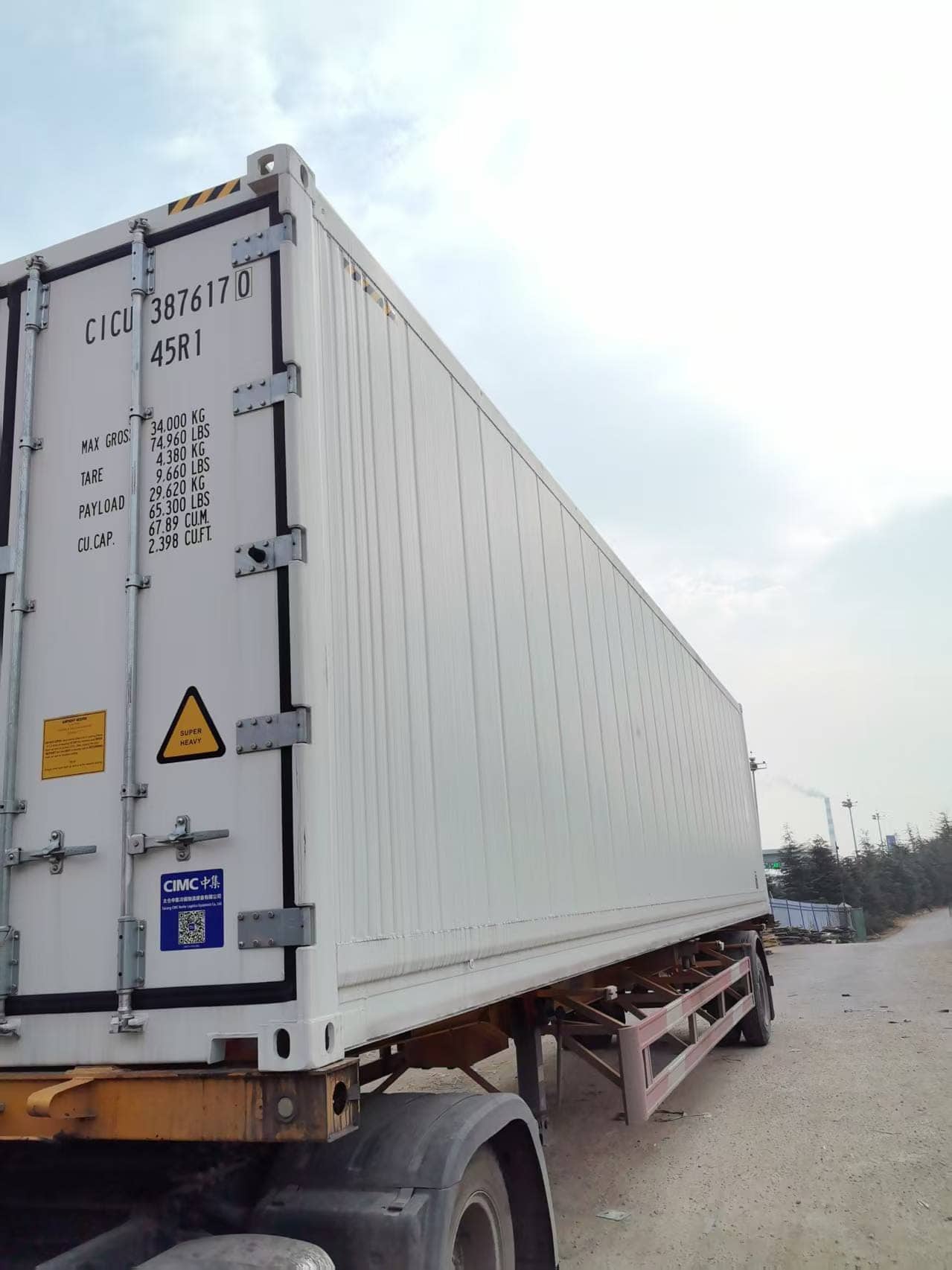
Comprehensive Comparison Analysis of Dry and NOR Container Applications
Dry and NOR container differences involve construction standards, performance characteristics, and economic considerations that affect cargo suitability and transportation costs. During my experience working with container selection and performance optimization, I learned that understanding these differences helps optimize equipment selection while balancing cost and performance requirements.
Construction differences reflect original design purposes with dry containers built to minimum standards for general cargo while NOR containers retain reefer-grade construction including enhanced structural strength, superior insulation, and reinforced components. Construction quality affects durability, cargo protection, and long-term performance.
Structural strength variations show NOR containers typically exceeding dry container specifications through reinforced frames, stronger floor systems, and enhanced door mechanisms designed for reefer operations. Superior construction provides better cargo protection while supporting heavier loads and more demanding applications.
Insulation properties differ significantly with NOR containers retaining thermal insulation designed for temperature control while dry containers provide minimal insulation beyond basic weather protection. Enhanced insulation benefits cargo requiring temperature moderation while reducing condensation and environmental impacts.
Cost considerations include higher acquisition or rental costs for NOR containers reflecting superior construction while dry containers offer lower costs for applications not requiring enhanced features. Cost-benefit analysis should consider cargo value, protection requirements, and transportation duration.
Cargo protection capabilities vary between container types with NOR containers providing superior protection against temperature variation, condensation, and structural stress while dry containers offer basic weather protection adequate for most general cargo. Protection level should match cargo sensitivity and value.
Operational flexibility shows NOR containers offering potential conversion to active reefer service while dry containers remain limited to general cargo applications. Flexibility provides advantages for fleet management while accommodating changing cargo requirements.
Market availability affects container selection with dry containers generally more abundant while NOR containers having limited availability depending on reefer fleet operations and trade patterns. Availability considerations impact scheduling and equipment procurement strategies.
Performance characteristics include dimensional specifications that may vary slightly between container types while payload capacity remains comparable for most applications. Performance differences primarily involve construction quality rather than basic functionality.
Maintenance requirements typically favor NOR containers through superior construction and materials while dry containers may require more frequent maintenance due to lighter construction standards. Maintenance considerations affect long-term operating costs and equipment reliability.
Application suitability depends on cargo characteristics, transportation requirements, and cost sensitivity with high-value or sensitive cargo benefiting from NOR container protection while basic cargo being adequately served by dry containers. Application matching optimizes cost and performance balance.
| Comparison Factor | Dry Container | NOR Container | Selection Criteria |
|---|---|---|---|
| Construction quality | Basic standards | Reefer-grade construction | Cargo protection requirements |
| Structural strength | Standard | Enhanced | Load and durability needs |
| Insulation properties | Minimal | Retained reefer insulation | Temperature sensitivity |
| Cost | Lower | Higher | Budget and value considerations |
| Cargo protection | Basic weather protection | Superior environmental protection | Cargo value and sensitivity |
| Market availability | High | Limited | Equipment procurement flexibility |
| Operational flexibility | General cargo only | Potential reefer conversion | Future use requirements |
| Maintenance requirements | Standard | Reduced due to quality | Long-term cost considerations |
| Performance | Adequate for general cargo | Enhanced protection capability | Quality requirements |
| Application suitability | Cost-sensitive general cargo | Value cargo requiring protection | Cargo characteristics and budget |
Conclusion
NOR containers are refrigerated containers operating without cooling systems for dry cargo use, 40-foot NOR containers provide 2,350 cubic feet with reefer-grade construction, the three main container types are dry, refrigerated, and specialized containers, and NOR containers offer superior construction and insulation compared to basic dry containers at higher cost.
