




What Is Lashing In Containers?
Container lashing means securing containers firmly with twist locks, rods, and turnbuckles to stop movement during transport. It protects both cargo and global trade reliability.
TRUSUS shipping insight: every tightened lash represents commitment to safety and stability.
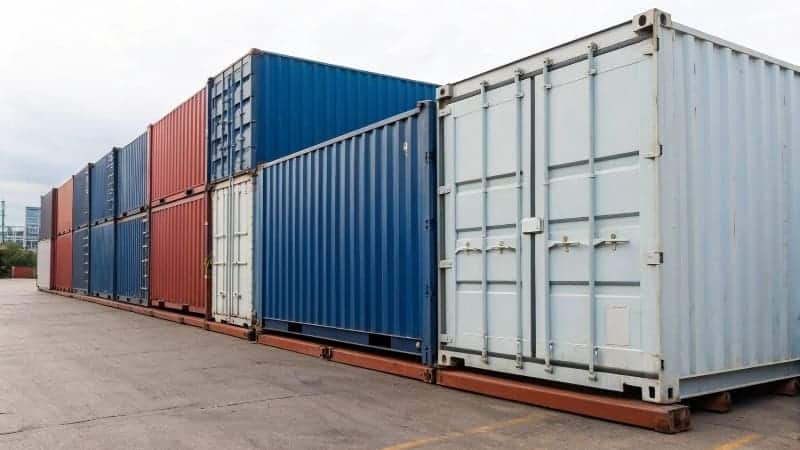
Lashing prevents lateral and vertical shifts of containers on ships, trucks, or rail platforms. Strong lashing maintains stack alignment even in rough seas or during sharp transport turns.
What Is the Lashing Bridge on a Container Ship?
A lashing bridge is a steel structure between container rows that supports and distributes lashing forces on stacked containers. It acts as the backbone where loads transfer securely to the hull.
TRUSUS maritime insight: the bridge doesn’t just hold metal; it holds trust across oceans.
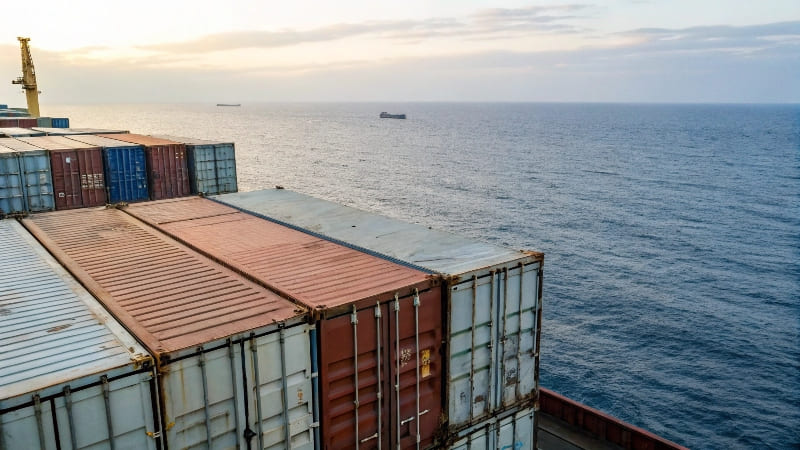
Lashing Bridge Function Table
| Component | Function | Material | Benefit |
|---|---|---|---|
| Main deck base | Primary support | Reinforced steel | Transfers compression to hull |
| Bridge platforms | Lashing attachment points | Steel beams | Equalizes vertical loads |
| Handrails and access ladders | Safety and maintenance | Galvanized steel | Enable fast inspection |
| Rod connection fixtures | Tie rod anchors | High‑strength fittings | Stable under vibration |
I remember boarding a large carrier at port: the ship’s crew checked each bridge pin manually before departure. That repetitive ritual ensures not only the ship’s safety but the world’s confidence in maritime schedules.
What Items Are Used in Container Lashing?
Container lashing uses twist locks, lashing rods, turnbuckles, chains, and bridge fittings. Each function connects containers together and stabilizes stacks against vibration.
TRUSUS operations insight: precision hardware makes every voyage predictable and safe.
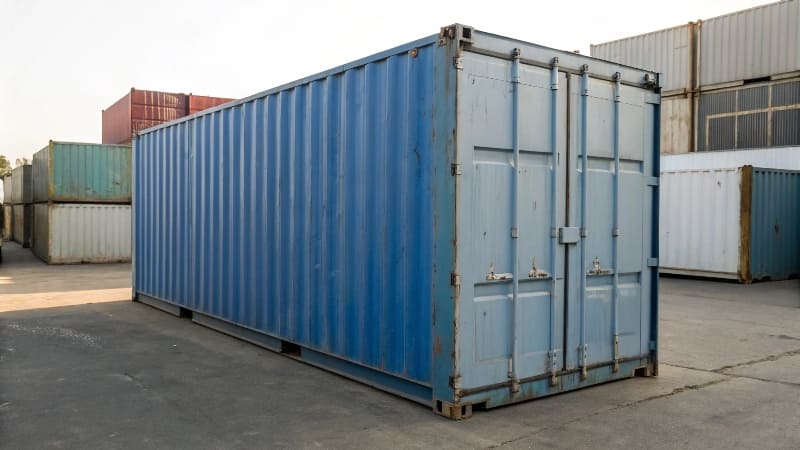
Container Lashing Equipment Overview
| Device | Function | Material | Common Position |
|---|---|---|---|
| Twist locks | Connect containers vertically | Alloy steel | Corner castings |
| Lashing rods | Prevent side movement | Hardened steel | Lower and upper corners |
| Turnbuckles | Adjust rod tension | Galvanized steel | Between deck and bridge |
| Bridge fittings | Secure multi‑row stacks | Heavy steel | Inter‑row connection |
| Foundation sockets | Seat twist locks | Cast steel | Deck surface |
When I first handled container inspections, seeing hundreds of turnbuckles lined like tuned instruments amazed me—each adjusted a note in the orchestra of stability across the vessel.
When Containers Are Secured to a Lashing Bridge, Large Loads In Lashings Can Be Caused When?
Heavy lashing loads occur when ships roll, pitch, or list sharply. Acceleration, wind, and wave motion multiply side and vertical forces on the lashings.
TRUSUS engineering insight: motion is inevitable—but structural control keeps chaos in check.
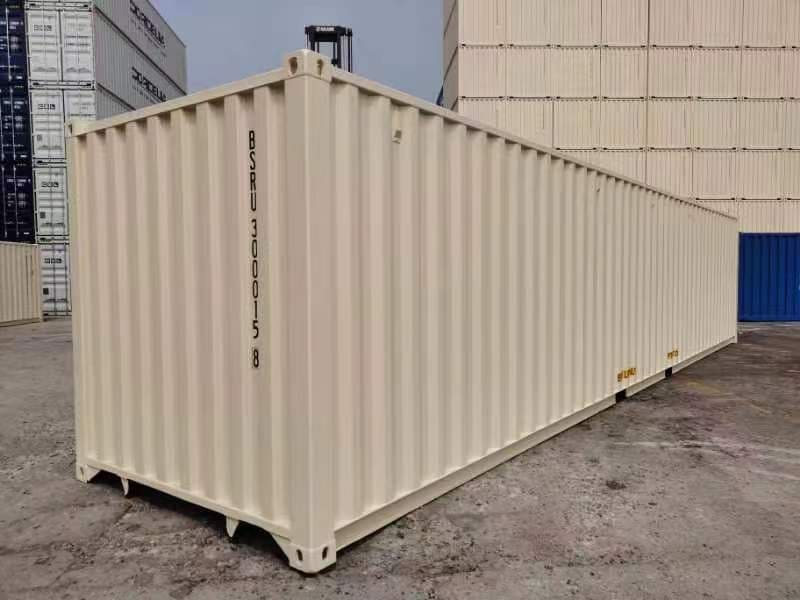
Lashing Load Scenario Table
| Condition | Description | Load Impact | Mitigation |
|---|---|---|---|
| Ship rolling side to side | Wave or wind tilt | High lateral tension | Balanced rod angles |
| Pitching fore and aft | Bow‑stern oscillation | Fluctuating vertical stress | Pre‑tension adjustment |
| Sudden maneuver or stop | Inertia change | Dynamic overload | Use certified twist locks |
| Uneven stacking weight | High center of gravity | Concentrated pull on bridge | Redistribute cargo weight |
I once witnessed cargo lashings rattling during a mid‑ocean storm. The loaded rods hummed under strain, but none failed—because proper torque and balanced layout mattered more than brute strength.
Conclusion
At TRUSUS, I see container lashing not as mere fastening but as a symbol of cooperation. Every connector, bridge, and lock quietly links oceans, markets, and trust into one resilient system.
