




What Is Empty Container Repositioning?
Empty container repositioning means moving empty shipping containers from surplus locations to ports or regions where they are needed. It keeps global trade balanced despite uneven import and export volumes.
TRUSUS logistics insight: an empty box in the right place is worth more than a full one in the wrong place.
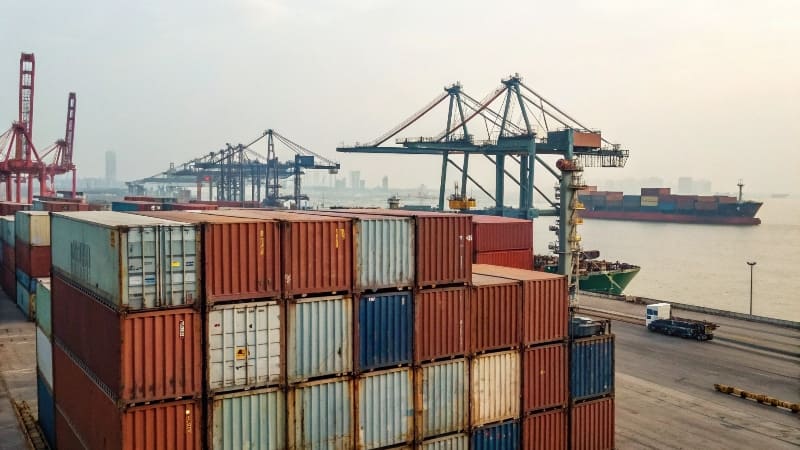
This process requires coordination between shipping lines, forwarders, and port operators to ensure containers circulate efficiently across continents.
What Is the Empty Container Return Process?
The empty container return process involves sending the container back to a depot, port terminal, or shipping line’s designated location after unloading. The goal is to prepare it for reuse or repositioning.
return insight: the journey doesn’t end when the cargo is gone—it simply resets.
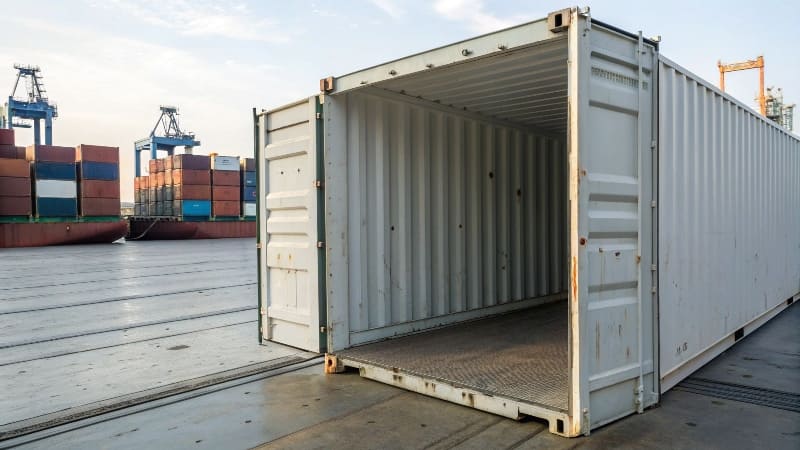
Empty Container Return Steps
| Step | Description | Key Objective |
|---|---|---|
| 1 | Unload cargo at destination | Free the container for next use |
| 2 | Clean and inspect the unit | Check for damage or contamination |
| 3 | Issue EIR (Equipment Interchange Receipt) | Confirm handover between shipper and line |
| 4 | Return to nominated depot | Follow carrier instructions |
| 5 | Prepare for next dispatch or repositioning | Optimize fleet circulation |
Returning containers on time avoids detention fees and supports global trade fluidity.
Will an Empty Shipping Container Float?
Yes, an empty shipping container can float for a limited time due to trapped air inside its structure. However, it is not designed to stay buoyant and may sink once filled with water.
material insight: steel floats not by nature, but by the air it carries within its frame.
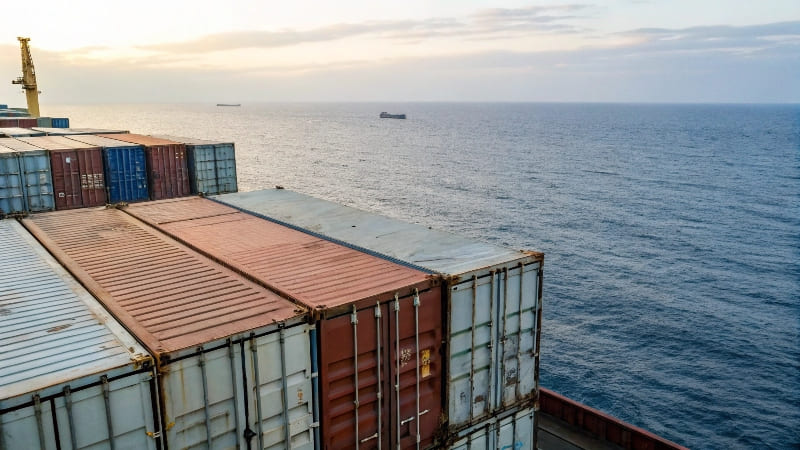
Factors That Affect Container Buoyancy
| Factor | Description | Effect |
|---|---|---|
| Container Type | Standard 20’ or 40’ dry container | Temporary floatation |
| Structural Damage | Dents or holes allow water in | Faster sinking |
| Sealed Doors | Prevent water entry | Extends floating time |
| Corrosion | Weakens shell quickly | Reduces buoyancy |
| Waves and Impact | Disturbs balance in open sea | May overturn or submerge |
Though it may float briefly, it’s unsafe to treat it as a vessel; containers are built for load—not for buoyancy.
What Happens to Empty Containers?
Empty containers can return to service, be sold, refurbished, or repurposed. Some rejoin the shipping network, while others transform into storage units, pop-up shops, or modular buildings.
reuse insight: when a container stops moving goods, it starts moving ideas.
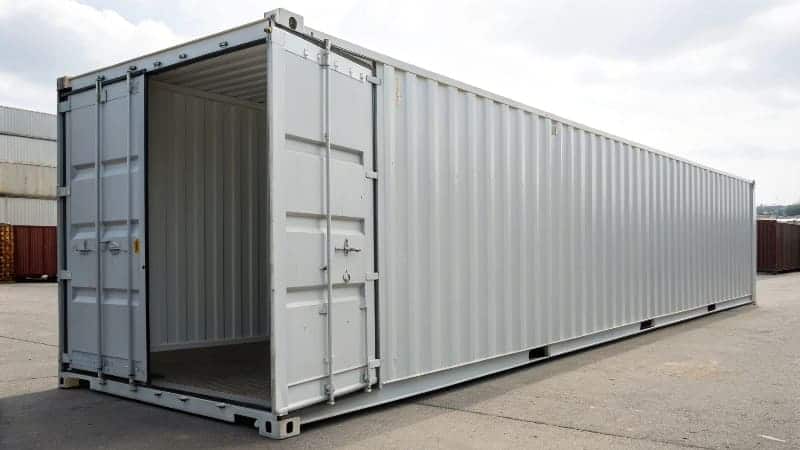
Container Lifecycle Map
| Stage | Function | Potential Outcome |
|---|---|---|
| Active Shipping | Transport cargo | Global circulation |
| Return/Inspection | Condition check | Ready for reuse |
| Idle/Surplus | Awaiting assignment | Option for sale or leasing |
| Refurbishment | Repair or repaint | Back into trade |
| Repurposing | Converted into structure | Storage, housing, or retail |
Each stage shows that the box’s value persists, even when detached from trade.
Conclusion
At TRUSUS, I see empty containers as moving assets, not passive equipment. Every repositioned box is a small act of global balance—a reminder that flow, not fullness, defines real value.
