




What Is Container Damage?
Container damage refers to any physical or functional deterioration of a shipping container that affects its structural integrity, sealing capacity, or usability. It’s a natural part of the container’s lifecycle—not a final failure.
TRUSUS insight: damage is not the end—it’s an asset transition.
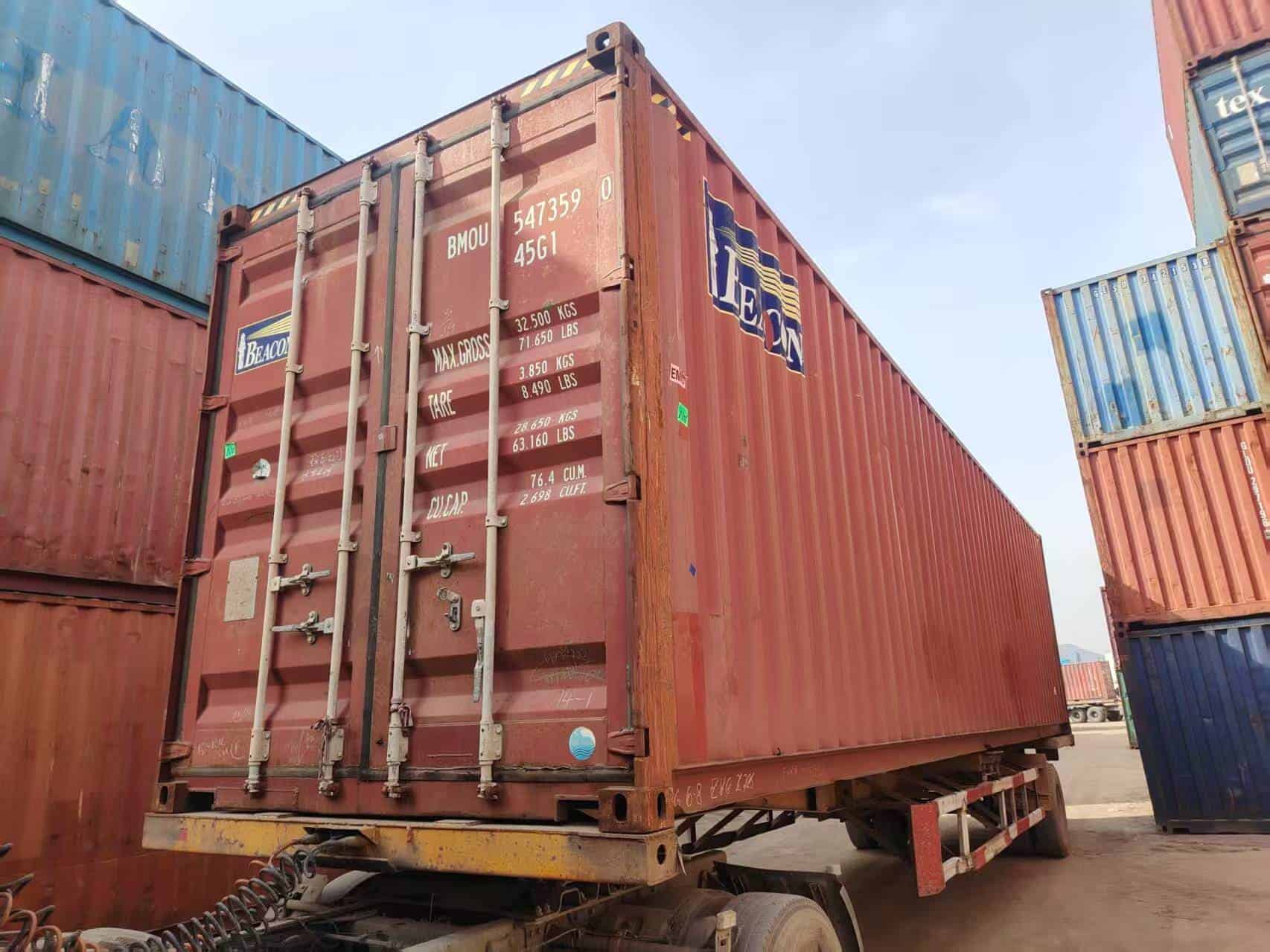
Shipping containers face repetitive loading and environmental stress throughout their service. Every dent, rust spot, or corner twist tells a story of movement and impact. Understanding damage helps manage assets intelligently rather than discarding them prematurely.
What Are the Common Types of Container Damages Seen in Freight?
Common container damages include structural distortion, surface deterioration, and sealing wear, arising from frequent handling in shipping yards and ports.
logistics insight: every mark is evidence of miles traveled, not neglect.

Common Damage Categories
| Damage Type | Description | Impact on Use |
|---|---|---|
| Structural | Corner casting, frame bending, base twist | Reduces stacking stability |
| Surface | Paint peeling, rust, dents, scratches | Aesthetic and corrosion issues |
| Sealing | Rubber gasket cracks, door misalignment | Compromised waterproofing |
| Floor | Broken boards, loose panels | Risk during loading |
| Roof | Deformation or puncture | Water leakage risk |
Operational Context
| Cause | Typical Environment | Result |
|---|---|---|
| Lifting stress | Port crane operations | Frame distortion |
| Abrasion | Container stacking | Surface wear |
| Salt air | Coastal storage | Metal corrosion |
This list represents common wear from life at sea rather than catastrophic faults.
What Causes Container Damage?
Container damage occurs due to mechanical stress, corrosion, overloading, poor handling, or environmental exposure during shipping, stacking, or movement.
operational insight: damage is predictable—it’s a signal of usage intensity.
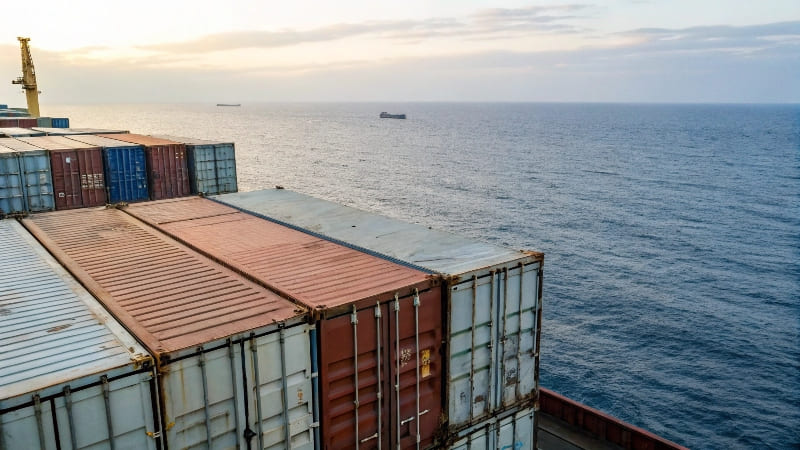
Damage Cause Mapping
| Cause | Mechanism | Example |
|---|---|---|
| Handling pressure | Force from cranes or forklifts | Frame bending |
| Weathering | Salt, rain, UV exposure | Rust and paint loss |
| Impact collision | Yard vehicles or other units | Dented panels |
| Overload stress | Exceeding rated weight | Floor or corner crack |
Preventive Focus
| Action | Effect |
|---|---|
| Scheduled inspection | Detect early corrosion |
| Proper stacking limits | Prevent frame torsion |
| Lubricate door seals | Maintain closure and waterproofing |
| Repaint when needed | Protect against oxidation |
Managing conditions can stop minor wear from becoming major repairs.
What Is the Correct Procedure When Handling Damaged Containers?
The correct process involves evaluation, classification, and controlled restoration to maintain structural safety and extend usability.
maintenance insight: repair isn’t patching—it’s asset renewal.
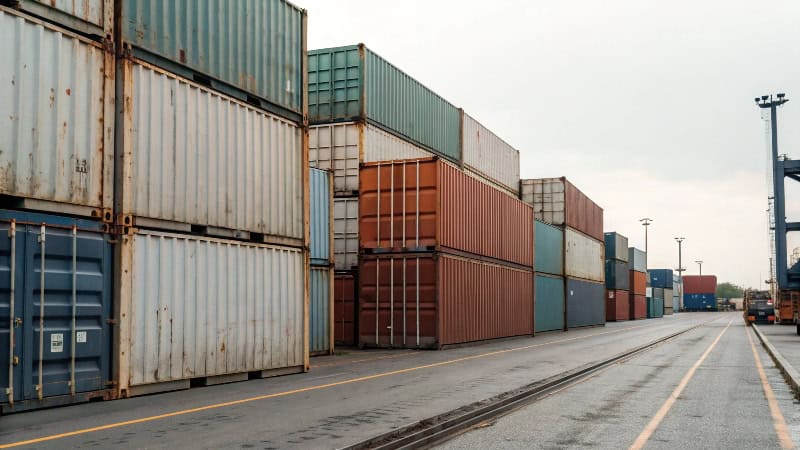
Handling Steps
| Step | Description |
|---|---|
| 1. Inspection | Identify structural and functional defects |
| 2. Classification | Categorize damage as repairable or decommissioned |
| 3. Documentation | Record findings for claim or maintenance tracking |
| 4. Repair or conversion | Restore for cargo use or modify for ground storage |
| 5. Verification | Confirm compliance with ISO or IICL standards |
Procedure Overview
| Objective | Method | Outcome |
|---|---|---|
| Safety Assurance | Frame and seal testing | Reliable handling |
| Cost Efficiency | Selective restoration | Longer asset life |
| Sustainability | Repurposing used containers | Circular value chain |
Handled correctly, damage turns into opportunity—each repair preserves resource efficiency and extends the container’s economic lifespan.
Lightly damaged containers often find new life as storage units, site offices, modular housing, or construction enclosures.
Conclusion
Container damage is not a flaw—it’s a phase in its lifecycle. Every dent or rust line signals history, durability, and potential rebirth. At TRUSUS, we treat containers as living assets, built to be repaired, reused, and reborn—because true durability means not avoiding damage, but surviving and renewing through it.
