




What is a Sea Container?
Many people encounter sea containers in various contexts but lack clear understanding of their definition and applications. A sea container represents standardized cargo transport units designed for intermodal shipping across oceans, land, and rail systems while serving multiple industries beyond traditional shipping applications.
A sea container is a standardized steel cargo box designed for international shipping with specific dimensions, structural strength, and corner fittings enabling secure stacking and transport across ships, trucks, and trains, typically measuring 20 or 40 feet in length with weatherproof construction for global cargo movement.
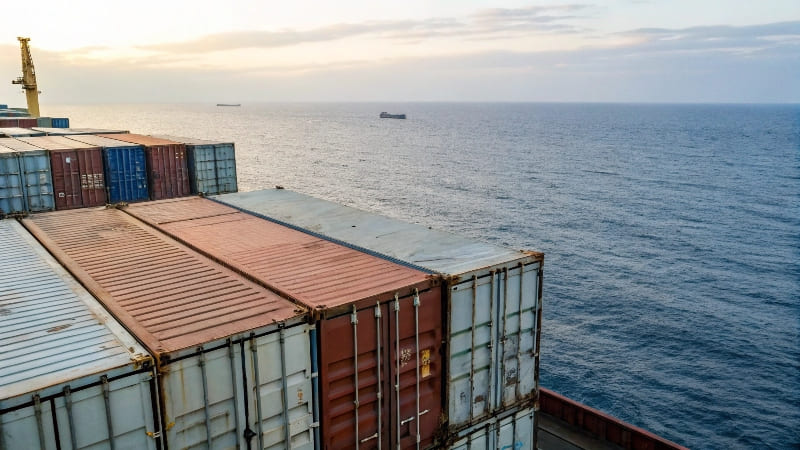
Through years of container sales and global logistics experience, I learned that sea containers represent fundamental infrastructure enabling international trade while evolving beyond pure shipping applications into construction, storage, and space solutions that demonstrate their versatility and structural integrity across multiple industries.
What is Another Name for a Sea Container?
Understanding alternative terminology for sea containers helps navigate industry communications and specifications. Sea container naming conventions involve regional preferences, industry usage, and functional descriptions that create multiple terms referring to identical standardized cargo units while maintaining consistent specifications regardless of terminology.
Another name for a sea container is "shipping container," which is the most common alternative term, though they're also called "freight containers," "cargo containers," "ISO containers," "conex boxes," and "intermodal containers," with all terms referring to the same standardized steel cargo units designed for global transportation.
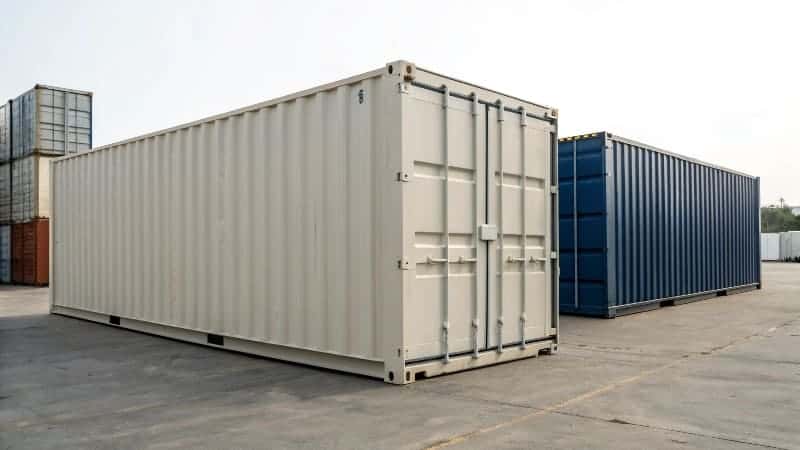
Comprehensive Terminology Analysis and Industry Usage Patterns
Sea container terminology varies across regions, industries, and applications while referring to identical standardized cargo units that maintain consistent specifications regardless of naming conventions. During my experience working with international container sales and logistics coordination, I learned that understanding various terminology helps navigate different market segments while ensuring clear communication about identical products.
Shipping container represents the most widely used alternative term emphasizing transportation function while maintaining identical meaning to sea container in all technical and commercial contexts.
Freight container focuses on cargo-carrying capacity while describing the same standardized units used in international trade and intermodal transportation systems worldwide.
Cargo container emphasizes contents rather than transport method while referring to identical steel boxes designed for secure cargo movement across multiple transport modes.
ISO container references International Organization for Standardization specifications that govern dimensions, strength, and fittings while ensuring global compatibility and interoperability.
Conex box derives from "Container Express" military terminology while describing identical civilian containers used for storage and shipping applications across various industries.
Intermodal container emphasizes multi-transport capability across ships, trains, and trucks while highlighting the seamless transfer advantages of standardized container systems.
Trade container focuses on commercial applications while describing identical units used for international commerce and goods movement between countries and regions.
Regional variations include local terminology preferences while maintaining reference to identical standardized containers that meet international specifications and compatibility requirements.
Industry-specific terms may emphasize particular applications while describing the same basic container units adapted for specialized cargo or modified for specific industry needs.
Technical specifications remain consistent regardless of terminology while ensuring global interoperability and standardization across all naming conventions and regional preferences.
| Term Category | Common Names | Regional Usage | Industry Context |
|---|---|---|---|
| Transportation Terms | Shipping container | Global standard | Logistics industry |
| Sea container | International | Maritime focus | Ocean freight |
| Freight container | Commercial | Cargo emphasis | Transport companies |
| Technical Terms | ISO container | International standards | Technical specifications |
| Intermodal container | Multi-transport | Logistics planning | Transport integration |
| Conex box | Military origin | Government/military | Storage applications |
| Regional Variations | Cargo container | General usage | Multiple industries |
| Trade container | Commercial focus | International commerce | Business applications |
| Steel box | Construction emphasis | Building industry | Conversion projects |
| Application-Specific | Storage container | Secondary use | Warehouse/storage |
| Conversion container | Modification focus | Construction/housing | Alternative applications |
What are the Three Types of Containers?
Understanding container classifications helps identify appropriate options for specific applications and requirements. Container types involve size categories, structural variations, and specialized configurations that determine suitability for different cargo types, transport methods, and end-use applications while maintaining standardized compatibility.
The three main types of containers are dry containers for general cargo including 20-foot and 40-foot standard units, refrigerated containers (reefers) for temperature-controlled goods, and specialized containers including open-top, flat-rack, and tank containers for specific cargo requirements, though size variations within each type provide multiple configuration options.
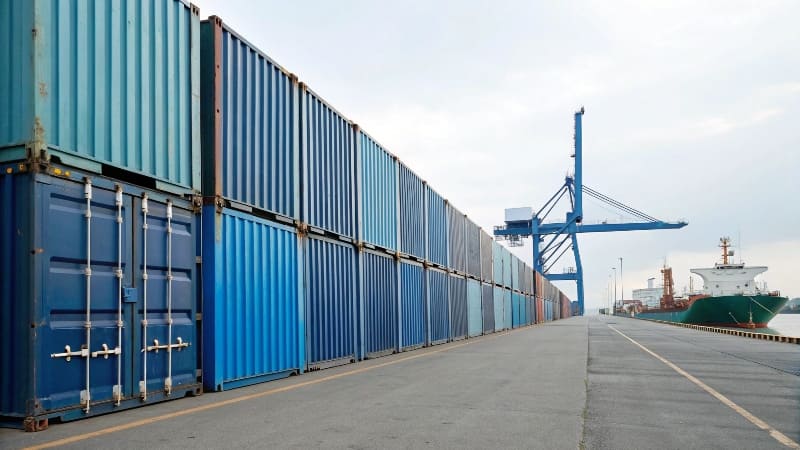
Detailed Container Type Analysis and Application Guidelines
Container classification encompasses multiple categorization systems based on size, function, and specialized features while serving diverse shipping and secondary market applications. During my experience working with container inventory and customer applications, I learned that proper type selection requires understanding cargo requirements, transport constraints, and end-use specifications for optimal performance and cost-effectiveness.
Dry containers represent standard cargo units designed for general freight including manufactured goods, consumer products, and non-perishable items while providing weatherproof protection and secure cargo containment.
Refrigerated containers (reefers) maintain temperature-controlled environments for perishable goods including food products, pharmaceuticals, and temperature-sensitive materials while providing precise climate control throughout transport.
Specialized containers address unique cargo requirements through modified designs including open-top containers for oversized items, flat-rack containers for heavy machinery, and tank containers for liquid cargo transport.
Size variations within each type include 20-foot containers providing compact shipping options, 40-foot standard containers for increased capacity, and 40-foot high-cube containers offering additional height for voluminous cargo.
Structural modifications accommodate specific requirements through reinforced flooring for heavy loads, additional door configurations for loading flexibility, and specialized fittings for unique cargo securing needs.
Secondary market applications utilize retired shipping containers for storage solutions, construction projects, and creative space conversions while maintaining structural integrity for alternative uses.
Application matching requires understanding cargo characteristics, shipping routes, and handling requirements while selecting appropriate container types for optimal transport efficiency and cargo protection.
Availability considerations affect type selection through market supply, regional preferences, and seasonal demand fluctuations that influence container availability and pricing across different types.
Cost factors vary between container types based on manufacturing complexity, specialized equipment requirements, and market demand while affecting total shipping costs and investment decisions.
Future developments include enhanced container designs, improved materials, and specialized configurations that address evolving shipping needs and emerging market applications.
| Container Category | Specific Types | Primary Applications | Key Features |
|---|---|---|---|
| Dry Containers | Standard 20ft/40ft | General cargo | Basic weatherproof box |
| High-cube containers | 40ft with extra height | Voluminous goods | 9'6" height vs 8'6" |
| Standard containers | Basic cargo units | Consumer goods | Cost-effective transport |
| Refrigerated Containers | Standard reefers | Perishable goods | Temperature control |
| Controlled atmosphere | Specialized cooling | Fresh produce | Atmosphere modification |
| Pharmaceutical reefers | Medical supplies | Temperature precision | Validated cooling |
| Specialized Containers | Open-top containers | Oversized cargo | Removable roof |
| Flat-rack containers | Heavy machinery | Open sides/ends | Enhanced tie-down |
| Tank containers | Liquid cargo | Chemicals/food grade | Specialized tank design |
| Size Variations | 20-foot containers | Compact shipping | TEU standard |
| 40-foot containers | Increased capacity | FEU standard | |
| 45-foot containers | Extended length | High-capacity needs |
What is the Difference Between a Sea Container and a Shipping Container?
Understanding terminology differences helps clarify container classifications and industry usage patterns. Sea container versus shipping container involves naming conventions, regional preferences, and contextual usage that may suggest differences while referring to identical standardized cargo units with equivalent specifications and capabilities.
There is no practical difference between a sea container and a shipping container as both terms refer to the same standardized steel cargo units designed for intermodal transportation, though "sea container" emphasizes maritime transport origins while "shipping container" broadly describes general transport applications, with identical specifications and interchangeability.

Comprehensive Terminology Comparison and Usage Analysis
Sea container and shipping container terminology represents identical products with equivalent specifications while reflecting different emphasis on transport modes and industry contexts. During my experience working with container sales and international logistics, I learned that terminology preferences vary by region and industry while describing identical standardized units that maintain consistent specifications and interoperability regardless of naming conventions.
Functional equivalence shows both terms describing identical steel cargo units with standard dimensions, corner fittings, and structural specifications that enable global intermodal transportation across ships, trains, and trucks.
Regional preferences influence terminology selection with "sea container" more common in maritime-focused regions while "shipping container" predominates in inland transportation markets without affecting product specifications.
Industry context affects term usage with maritime companies preferring "sea container" while logistics providers often use "shipping container" though both refer to identical equipment with equivalent capabilities.
Historical development shows "sea container" emphasizing original maritime applications while "shipping container" evolved to reflect broader transportation applications without changing underlying container designs.
Marketing implications involve terminology selection for different audiences while maintaining reference to identical products with consistent quality, specifications, and performance characteristics across all naming conventions.
Technical specifications remain identical regardless of terminology including ISO standardization, corner fitting dimensions, and structural requirements that ensure global compatibility and interoperability.
Application versatility applies equally to both terms with containers serving shipping, storage, construction, and specialty applications while maintaining identical structural capabilities and modification potential.
Purchase considerations remain consistent across terminology with buyers receiving identical products regardless of naming preferences while specifications and quality standards apply uniformly.
Secondary markets treat both terms identically with containers maintaining equivalent value, modification potential, and application suitability regardless of original terminology or marketing descriptions.
International trade recognizes both terms as equivalent with customs, shipping lines, and regulatory agencies applying identical standards and procedures regardless of terminology preferences.
| Comparison Factor | Sea Container | Shipping Container | Practical Difference |
|---|---|---|---|
| Physical Specifications | ISO standard | ISO standard | None |
| Dimensions | 20ft/40ft standard | 20ft/40ft standard | Identical |
| Structural strength | CSC certified | CSC certified | Equivalent |
| Applications | All transport modes | All transport modes | None |
| Maritime shipping | Primary emphasis | Equal capability | Terminology only |
| Land transport | Full capability | Primary emphasis | Terminology only |
| Market Recognition | Global acceptance | Global acceptance | None |
| Industry usage | Maritime preference | Logistics preference | Context only |
| Regional preference | Coastal areas | Inland regions | Geographic tendency |
| Commercial Aspects | Identical pricing | Identical pricing | None |
| Availability | Same inventory | Same inventory | No difference |
| Quality standards | ISO compliance | ISO compliance | Equivalent |
| Secondary Markets | Equal value | Equal value | None |
| Conversion potential | Identical | Identical | No difference |
| Storage applications | Same capability | Same capability | Equivalent |
Conclusion
A sea container is a standardized steel cargo box designed for international intermodal transportation with specific dimensions and structural requirements, also called shipping containers, freight containers, or ISO containers with no practical difference between terms, three main types include dry containers for general cargo, refrigerated containers for temperature-controlled goods, and specialized containers for unique requirements, and sea containers and shipping containers are identical products with terminology differences reflecting maritime versus general transport emphasis.
