




What Is a High Cube Container Used For?
A high cube container is used to carry taller or bulkier cargo and to create multifunctional spaces in conversion projects. It offers one extra foot of vertical height compared to standard containers, giving more flexibility for transport and structure.
TRUSUS logistics insight: one foot higher creates endless design possibilities.
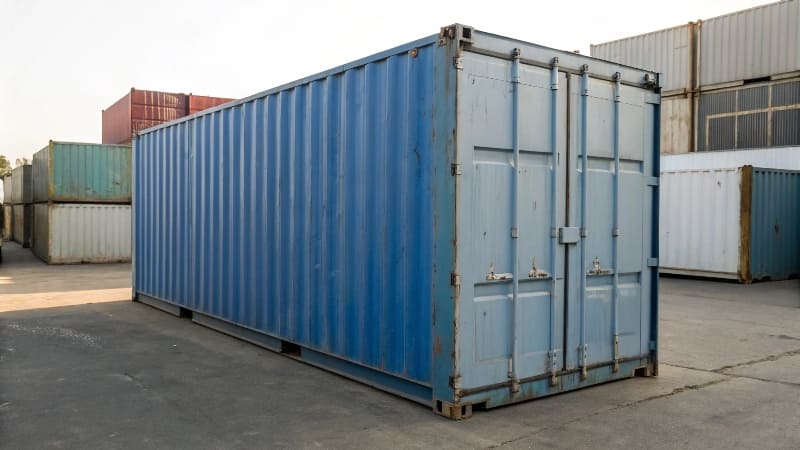
This added space means more storage capacity for both industrial shipping and commercial reuse. From heavy machinery to modular offices, it supports cargo and structural projects with expanded versatility.
High Cube Usage Basics
| Application | Reason | Benefit |
|---|---|---|
| Shipping | Accommodates larger goods | Efficient loading |
| Warehousing | Higher stacking potential | Space optimization |
| Architecture | Greater ceiling height | Better airflow |
| Retail Modules | Improved display volume | Flexible design |
| Living Units | More headroom | Enhanced comfort |
That single extra foot transforms how cargo moves and how people live within recycled containers.
Are High Cube Containers More Expensive?
Yes, high cube containers cost slightly more than standard containers due to their added height and reinforced frame. The price difference comes from extra materials and broader market demand.
TRUSUS pricing insight: the difference isn’t margin—it’s material plus potential.
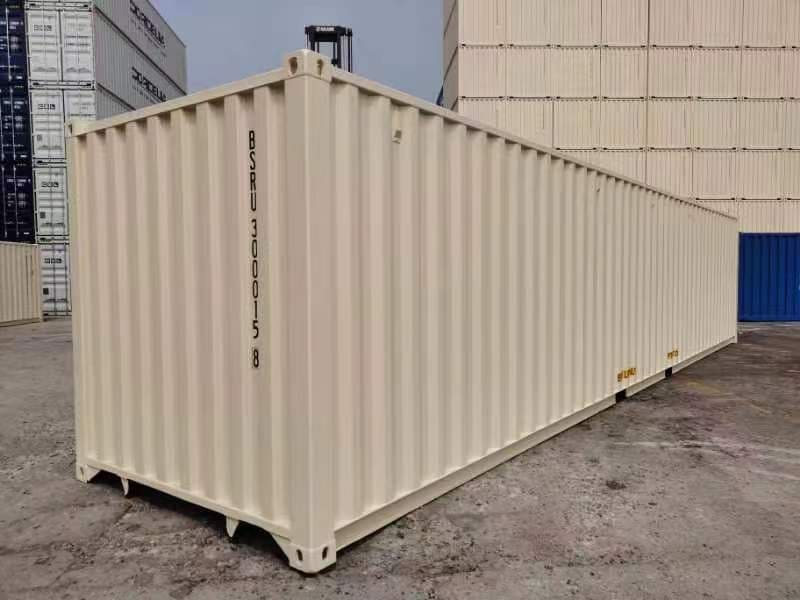
zCost Comparison Guide
| Container Type | External Height | Market Price Range | Use Case |
|---|---|---|---|
| Standard 40ft | 8'6'' (2.59 m) | Base rate | General cargo |
| High Cube 40ft | 9'6'' (2.89 m) | +5–10% | Oversized cargo, conversions |
| Standard 20ft | 8'6'' | Lower price | Compact logistics |
| High Cube 20ft | 9'6'' | +8–12% | Small modular builds |
The price premium pays back through larger usable volume and extended resale value in modification markets.
What Are the Benefits of Using a High Cube?
High cube containers offer increased space, flexibility, and efficiency. Extra headroom improves ventilation, packing freedom, and comfort in adaptive reuse projects.
TRUSUS design insight: one extra dimension opens hundreds of new functions.

Benefit Breakdown
| Feature | Description | Added Value |
|---|---|---|
| Extra Height | +1 foot compared to standard | More storage, air volume |
| Flexibility | Fits wide cargo or tall racks | Faster loading |
| Reuse Adaptability | Converts easily to rooms or shops | Cost‑effective renovations |
| Comfort | Improves air and light circulation | Livable aesthetics |
| Market Preference | Higher resale potential | Long‑term value retention |
High cubes combine mechanical advantage with architectural possibility—a balance between transport and lifestyle innovation.
How to Know If a Container Is a High Cube?
You can tell a container is high cube by measuring its external height or checking the factory marking near the door. High cube containers measure 9'6" in height, one foot taller than standard units.
TRUSUS identification insight: a small number defines a big capacity.

Identification Table
| Indicator | Standard Container | High Cube Container | Verification Method |
|---|---|---|---|
| External Height | 8'6" (2.59 m) | 9'6" (2.89 m) | Measure with tape |
| Door Label | 8'6" printed | 9'6" or “HC” mark | Check corner casting |
| Roof Style | Flat or ribbed | Raised roof edge | Visual inspection |
| Interior Volume | Smaller | +12% increase | Open and measure |
Spotting the additional dimension confirms you’re handling a high cube—ideal when planning conversions or transport upgrades.
Conclusion
At TRUSUS, I see the high cube container not just as a taller box but as an advanced concept of space. It bridges logistics and architecture, turning one extra foot into lasting value across industries.
