




What Is a CWO Grade Container?
A CWO (Cargo Worthy) container meets international shipping standards, meaning it is structurally sound, weather-tight, and safe for cargo transport. It also holds valid CSC certification for use in global logistics.
TRUSUS insight: CWO is not a label of appearance—it's a statement of structural reliability and functional stage.
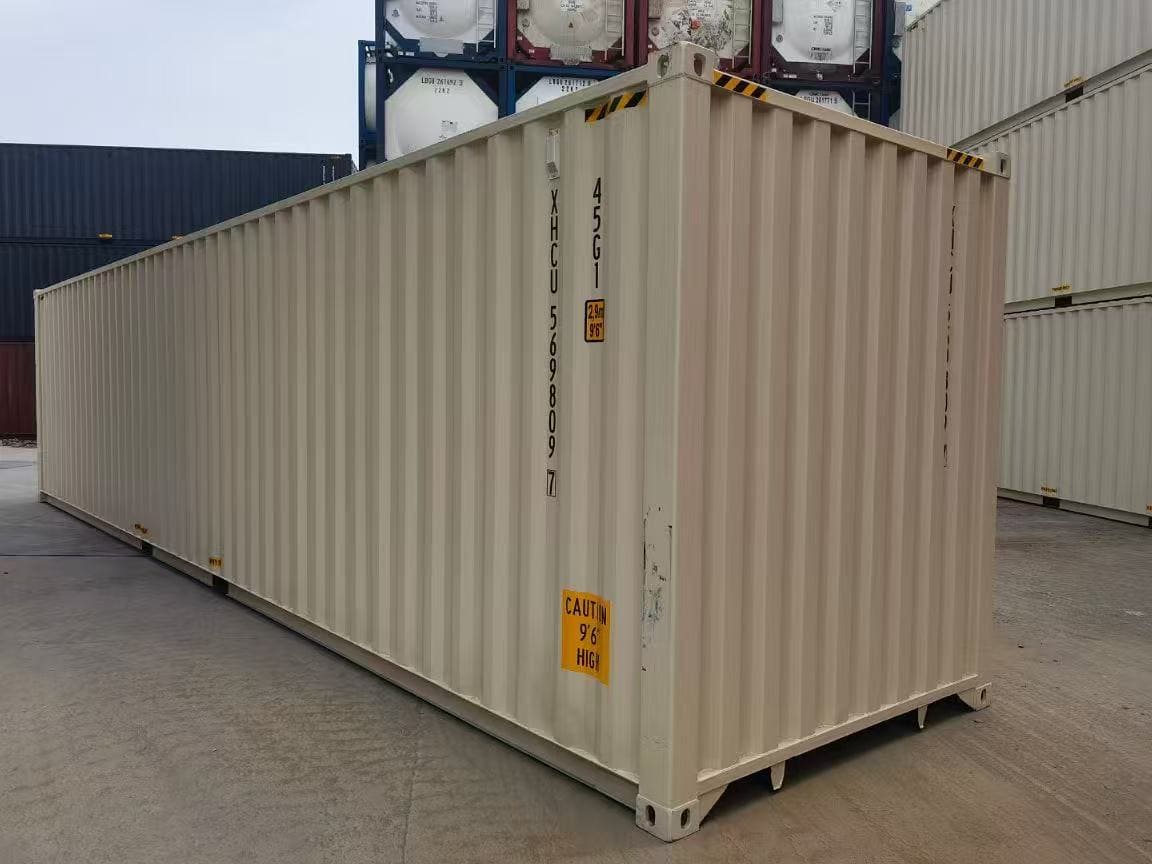
Being “Cargo Worthy” proves that a container can still carry loads across oceans without safety concerns. It ensures the box maintains its frame's original strength, seal quality, and compliance with design codes.
What Is the Grading System for Shipping Containers?
The grading system classifies containers by condition, structural integrity, and usability. Core levels include New (One Trip), CWO (Cargo Worthy), WWT (Wind and Watertight), and market-based A/B/C Grades.
trade insight: grades translate technical performance into market trust.
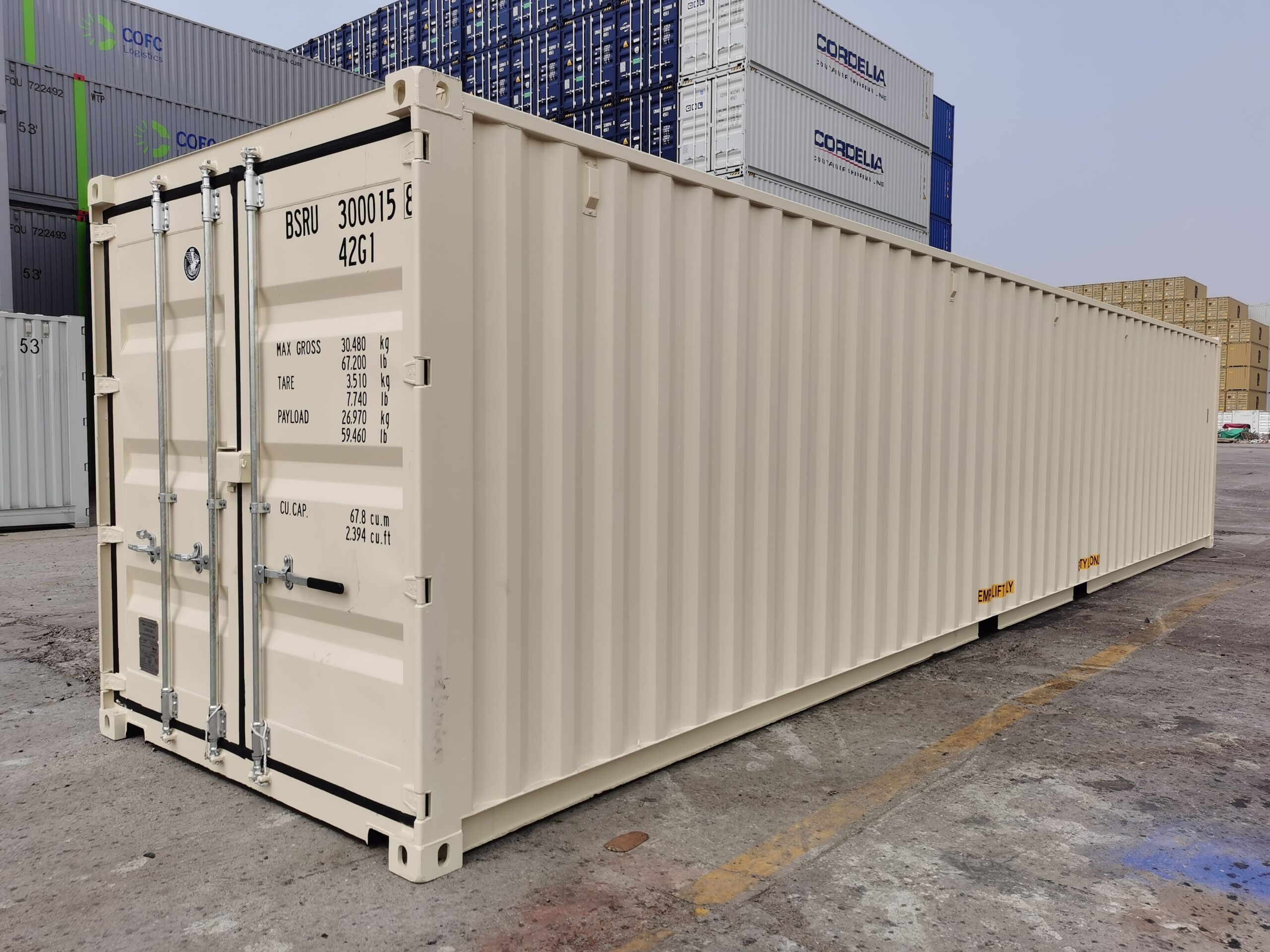
Shipping Container Grading Overview
| Grade Name | Description | Primary Use |
|---|---|---|
| New / One Trip | Nearly new, single shipment use | Premium storage or conversion |
| CWO (Cargo Worthy) | Passed CSC survey, fit for transport | International freight |
| WWT (Wind and Watertight) | Keeps out air and water, not for shipping | On-site storage |
| IICL | Repair standard for leasing fleets | Long-term transport fleets |
| A / B / C Grade | Cosmetic / commercial grading | Local resale or conversion markets |
Industry Relationship
| Factor | Function | Example |
|---|---|---|
| Certification | Ensures safety | CSC compliance |
| Maintenance Record | Reflects usage level | CWO requires inspection |
| Intended Purpose | Defines next use | Cargo vs. storage |
The grading system allows smooth transitions from transport use to storage or construction reuse.
What Are the Different Grades of Shipping Containers?
Grades reflect where a container sits in its service life. A-grade units look newer, B-grade are more weathered, C-grade older or repaired, and technical categories like CWO or WWT determine their operational approval.
lifecycle insight: grades mark functional stages in a container’s journey, not its worth.
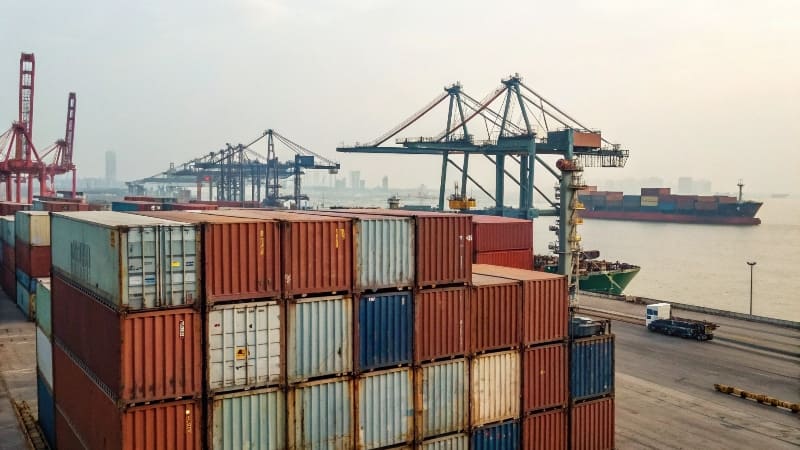
Grade Comparison Chart
| Grade | Visual Condition | Structural Condition | Common Use |
|---|---|---|---|
| A | Clean paint, minimal rust | Fully intact | Offices, premium conversions |
| B | Moderate wear, some surface rust | Structurally sound | Warehousing or workshops |
| C | Heavy corrosion or dents | Still usable after minor repair | Storage or low-cost projects |
| CWO | Certified for transport use | Fully compliant | International freight |
| WWT | Wind and watertight | Non-certified | On-site storage or housing conversion |
Functional Logic
| Stage | Definition | Market Position |
|---|---|---|
| Transport | Active fleet asset | Highest rotation value |
| Storage | Stationary use | Medium return potential |
| Conversion | Building material | Added design value |
The goal of grading is continuity—extending the life of every container through purpose-specific redeployment.
What Is the Difference Between A Grade and B Grade Shipping Containers?
A-grade containers show minimal cosmetic or structural flaws. B-grade containers remain structurally solid but display more visible wear like faded paint, scratches, and dented panels.
sales insight: the difference is appearance and repair level, not structural reliability.

A vs. B Grade Comparison
| Aspect | A Grade | B Grade |
|---|---|---|
| Cosmetic Condition | Excellent, freshly painted | Average, noticeable wear |
| Structural Integrity | Excellent | Good, minor repairs only |
| Certification | Optional or CWO eligible | Not certified, for private use |
| Price Range | Higher | More affordable |
| Ideal For | Conversion or branding projects | Standard storage or workshops |
Market Perspective
| Buyer Type | Preferred Grade | Reason |
|---|---|---|
| Architect / Developer | A Grade | Better finish for projects |
| Storage Company | B Grade | Balance between cost and reliability |
| Logistics Firm | CWO / IICL | Required certification |
Grades exist to help match each buyer to their functional and economic goals. It’s not about how old the container is—but what it’s still capable of doing.
Conclusion
Container grading is more than classification—it’s a shared language for safety, function, and reusability. TRUSUS believes grades describe where a container stands in its lifecycle, linking transport logic with architectural reuse, and transforming a simple metal box into a traceable, sustainable asset cycle.
