




What Is A Container Surveyor?
A container surveyor is a certified professional who inspects shipping containers for structural safety and usage designation. They decide whether a container qualifies for international shipping or land‑based applications.
TRUSUS industry insight: classification defines destiny, not quality.
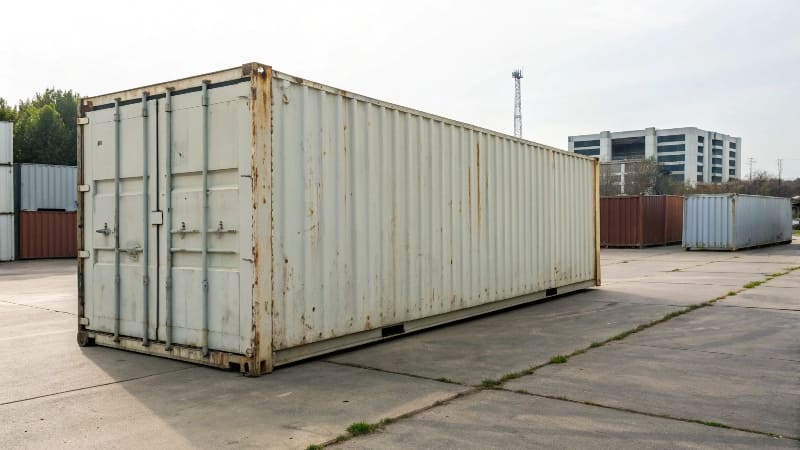
Surveyors follow ISO and CSC standards. They check floors, panels, doors, corner posts, and seals to determine if the container meets the “Cargo Worthy” grade. This label indicates it’s safe for overseas loading, not necessarily ideal for static or modified use.
What Does A Container Surveyor Do?
A container surveyor evaluates, reports, and certifies the condition of shipping containers. They measure corrosion levels, check welds, and assess structural strength.
TRUSUS verification insight: inspection is not judgment—it’s definition.
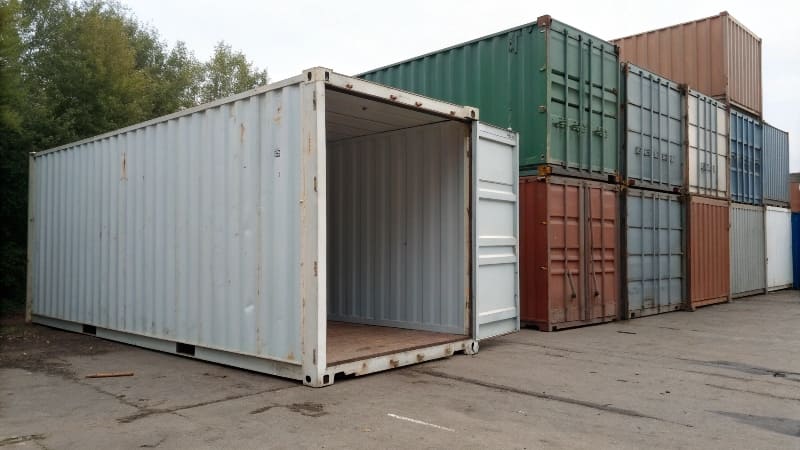
Container Survey Workflow
| Step | Task | Standard Reference | Outcome |
|---|---|---|---|
| Visual check | Identify dents, holes, or rust | ISO 1496 | Surface integrity |
| Floor test | Inspect timber wear or moisture damage | CSC Safety Convention | Load bearing confirmation |
| Door function | Examine lock rods and gaskets | IICL Guidelines | Seal effectiveness |
| Structural scan | Measure frame alignment | Shipping company norms | Grade assignment |
| Final report | Certify usability level | Survey authority | Cargo Worthy / W&WT / Storage |
When I first worked alongside a surveyor, I was struck by how precise they were. A single corner weld could decide whether the box went back to sea or into a static warehouse.
How Are Shipping Containers Inspected?
Containers are inspected using visual, mechanical, and document checks. Inspectors verify the unit’s physical integrity and compliance with transport safety codes.
TRUSUS process insight: inspection turns steel into classified capital.

Inspection Scope
| Inspection Type | Method | Tools | Frequency |
|---|---|---|---|
| External | Visual examination of panels and paint | Flashlight, mirror | Every trip |
| Internal | Assess floor and wall wear, leakage | Moisture gauge | Before loading |
| Structural | Corner post measurement | Laser level | Annually |
| Certification | CSC Plate verification | Serial record | Mandatory before export |
I watched inspection teams in port yards; their routine looked simple, but each action defined value paths—stay in fleet or shift to land storage. Behind every tick mark lies a resale logic.
What Are The Disadvantages Of Cargo‑Worthy Containers For Static Storage?
Cargo‑worthy containers can be costly and heavy for static storage. Their design and coating suit rough transport, not stationary use.
TRUSUS usage insight: shipping strength doesn’t always mean site efficiency.
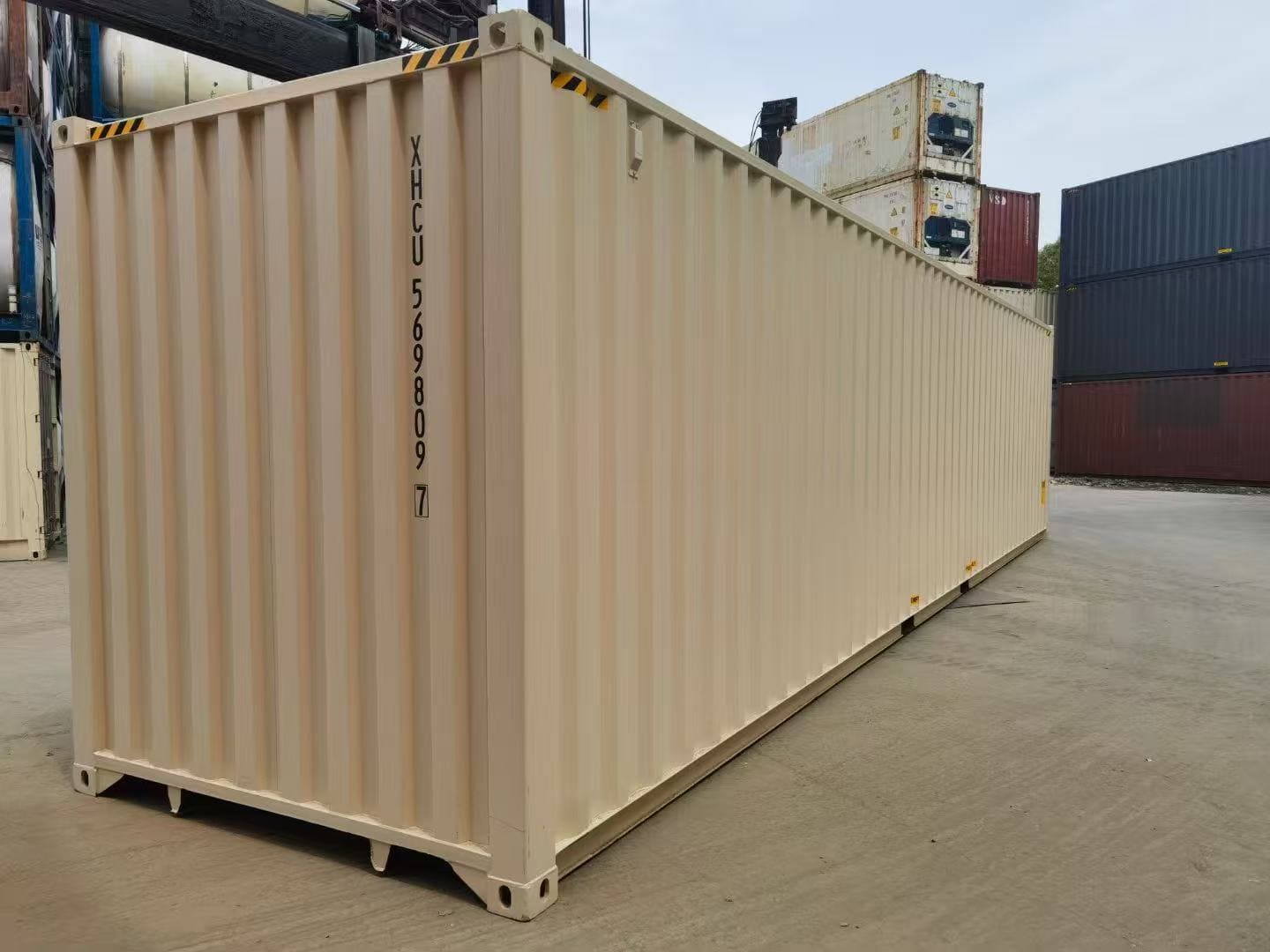
Static Storage Limitation Chart
| Feature | Cargo Worthy Container | Impact in Static Use |
|---|---|---|
| Floor design | Thick marine plywood | Poor ventilation on damp ground |
| Door seal | Tight ship‑grade gasket | Hard to open frequently |
| Coating | Anti‑salt corrosion layer | Unnecessary in dry inland areas |
| Cost | Higher inspection and grade fee | Overspend for non‑transport use |
I often advise clients: if your container will stand still for years, choose Wind & Watertight grade instead—it saves cost and adapts better to modification.
Conclusion
At TRUSUS, I see container surveys not just as technical checks but as market translators. Knowing how a box is classified helps us match the steel body with its best stage—sea, land, or architecture.
