




What Is a Container Shelf?
A container shelf is a storage or support structure installed inside a shipping container to organize items or add functional layers for workspace or living use. It’s the foundation of efficient interior space use.
TRUSUS space insight: every shelf you add gives order to the steel world within.
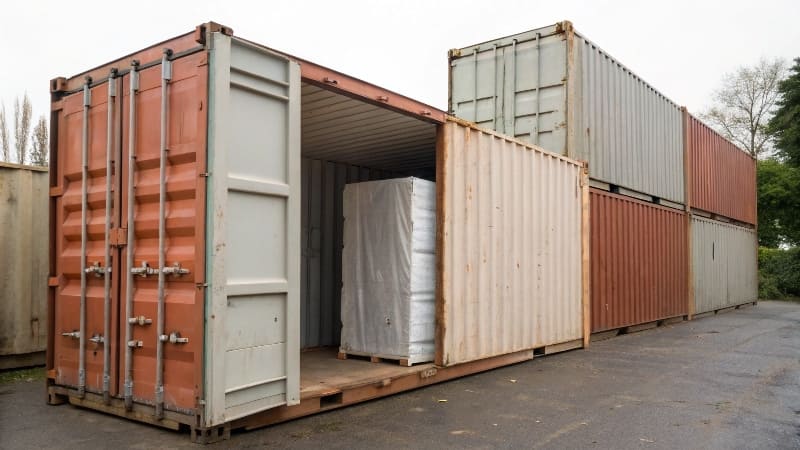
Modern container shelving systems use steel brackets, modular frames, or adjustable rails, transforming empty containers into organized, flexible environments.
How to Attach Shelving to a Shipping Container?
You can attach shelving in a shipping container using welded brackets, bolted frames, or clamp-based systems. Each approach depends on load type, mobility needs, and available tools.
install insight: shelves should strengthen the box, not fight against it.
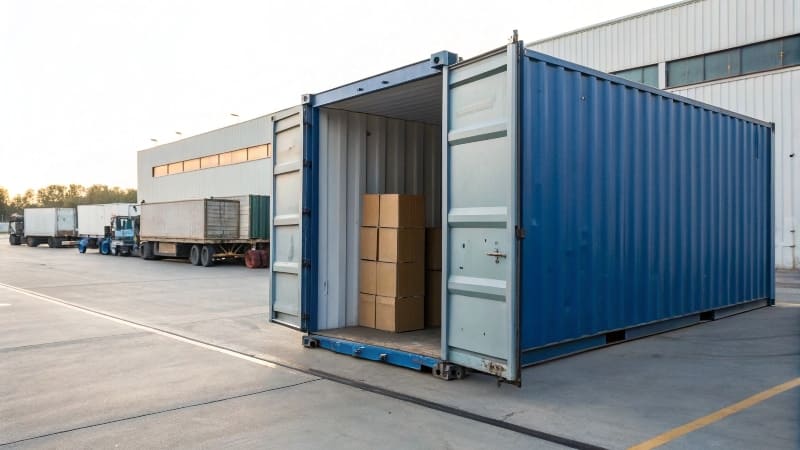
Shelving Installation Methods
| Method | Tools Required | Structural Effect | Ideal For |
|---|---|---|---|
| Welded brackets | Welding machine | Permanent and robust | Heavy-duty industrial storage |
| Bolted frames | Drill + bolts | Strong, semi-permanent | Workshop or office use |
| Clamp rails | No welding needed | Reversible and flexible | Rental or temporary setups |
| Ceiling suspension | Overhead rods | Maximizes floor space | Light shelving or cables |
I often choose bolted frameworks in conversions because they allow later reconfiguration without damaging the steel walls.
How to Attach Wood to Inside of Shipping Container?
To attach wood lining or framing, use self-tapping screws, construction adhesive, or metal framing channels fixed directly to container ribs. Wood gives thermal comfort and makes mounting easier for interior fittings.
craft insight: wood adds warmth, but its attachment must respect the container’s strength lines.
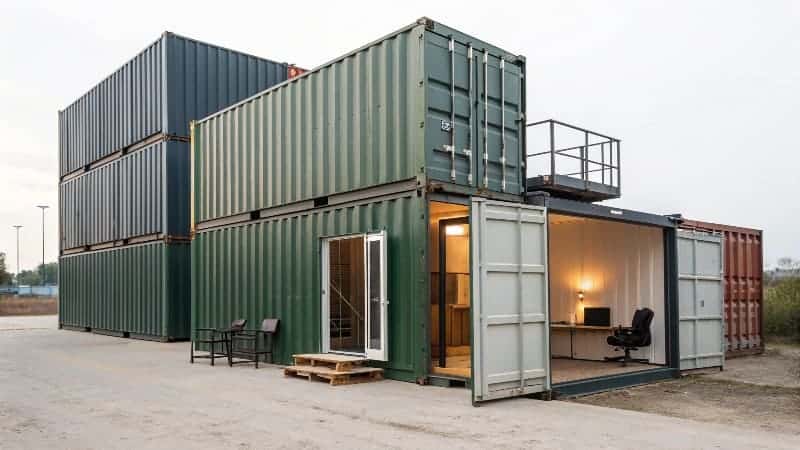
Wood Attachment Techniques
| Technique | Description | Suitable For | Tip |
|---|---|---|---|
| Self-tapping screws | Fasten through metal ribs into wood | Wall panels and trim | Pre-drill pilot holes |
| Adhesive bonding | Use high-strength polyurethane adhesive | Lightweight wall boards | Apply evenly to avoid warping |
| Metal furring channels | Create wood-mounting base | Full insulation projects | Allows air cavity and wiring |
| Rivet nuts with bolts | Threaded anchors for strong joints | Ceiling frameworks | Use corrosion-resistant hardware |
A combined mechanical and adhesive approach keeps panels stable through vibrations and temperature changes.
How to Secure Furniture in a Shipping Container?
To secure furniture, use L-brackets, tie-down rails, or anchor plates attached to container walls, floors, or corner posts. This prevents movement during transport or daily use.
safety insight: secure what you love—mobility demands respect for physics.
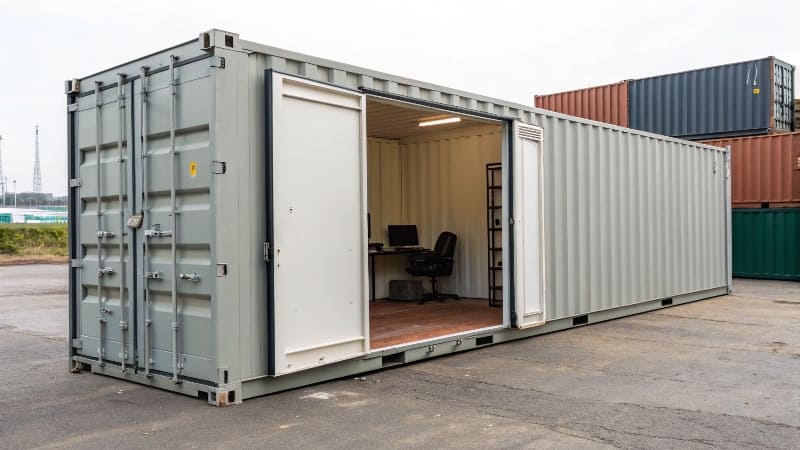
Furniture Securing Options
| Hardware | Function | Installation Location | Note |
|---|---|---|---|
| L-shaped brackets | Fix furniture legs or sides | Wall to furniture joint | Ideal for desks and cabinets |
| E-track or airline rails | Adjustable anchors | Installed on walls or floors | Common in logistics-grade interiors |
| Anchor plates | Permanent tie-downs | Embedded in floor base | Recommended for heavy loads |
| Straps and clamps | Temporary securements | Flexible positioning | Best for movable sets |
This system transforms static interiors into safe, functional micro-workspaces or mobile rooms ready for transport.
Conclusion
At TRUSUS, I believe a container’s true potential begins inside. When shelving, wood, and furniture become part of a well-planned interior system, the container evolves—from a metal box into a living, working unit of design.
