




What is a 20GP Container and How Does It Compare to Other Options?
Choosing the right container size can make or break your shipping costs and operational efficiency. Many businesses struggle with this critical decision daily.
A 20GP container is a standard 20-foot general purpose shipping container measuring 20 feet long, 8 feet wide, and 8.5 feet high, with an internal capacity of approximately 33 cubic meters. It's the most common container size in global shipping.
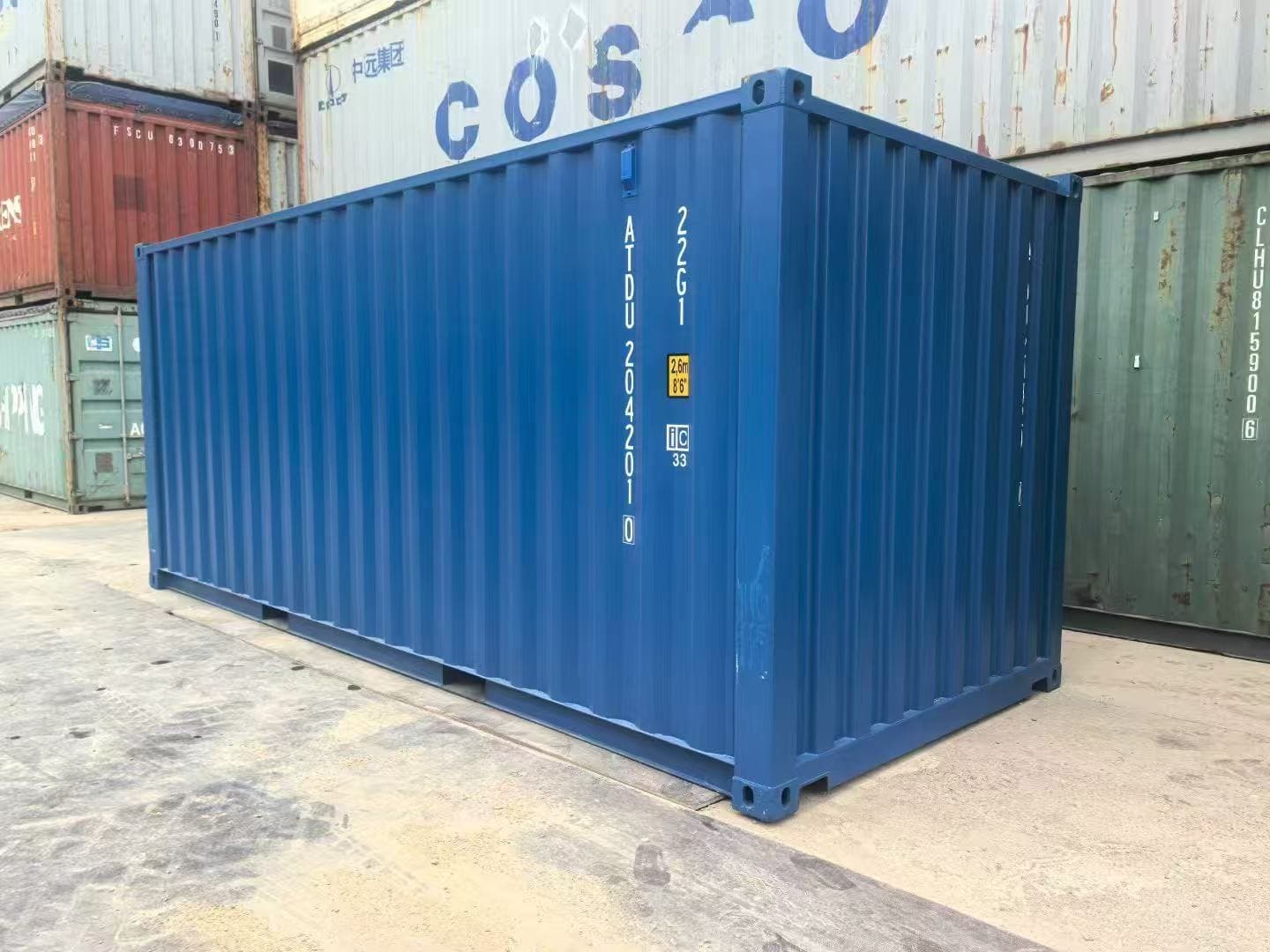
Understanding container specifications isn't just about numbers. It's about matching your cargo needs to the most cost-effective shipping solution. Let me walk you through the key differences that will help you make the right choice.
What Makes 20GP Different from 40GP Containers?
The size difference seems obvious, but the operational implications run much deeper than you might expect.
The main difference between 20GP and 40GP containers is size and capacity: 20GP offers 33 cubic meters of space while 40GP provides 67 cubic meters - exactly double the capacity in a container twice as long.
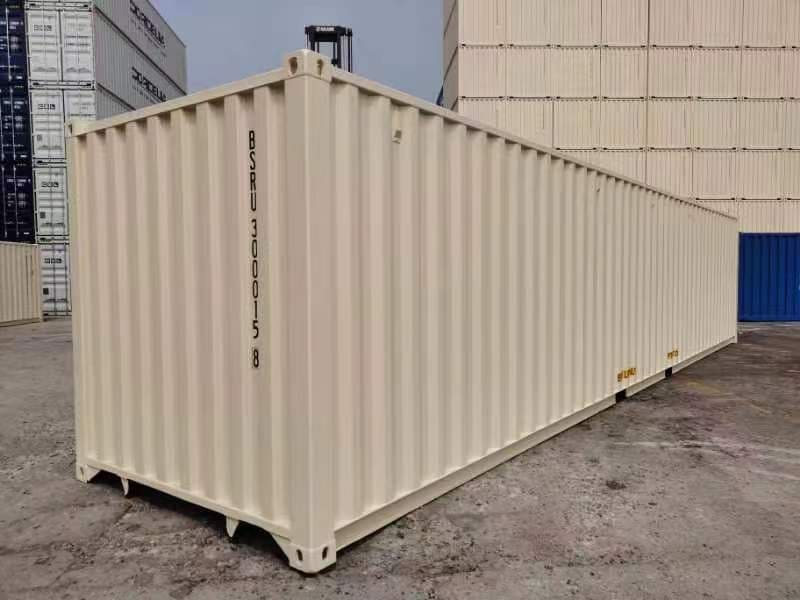
From my experience selling containers for over a decade, I've seen businesses make costly mistakes by focusing only on unit cost per cubic meter. The 40GP container does offer better cost efficiency per cubic meter - roughly 25-30% lower than 20GP. However, this advantage disappears when you consider real-world operational factors.
The 20GP container excels in flexibility and handling. I've worked with countless small to medium-sized traders who discovered that 20GP containers move through ports faster, require less specialized equipment for loading and unloading, and offer better cash flow management. For e-commerce businesses shipping mixed cargo loads, the 20GP allows for more frequent shipments and faster inventory turnover.
Here's a comparison table that shows the practical differences:
| Specification | 20GP | 40GP |
|---|---|---|
| External Length | 20 feet (6.1m) | 40 feet (12.2m) |
| Internal Volume | 33 cubic meters | 67 cubic meters |
| Max Payload | 28,200 kg | 26,700 kg |
| Port Handling | Faster, more flexible | Requires more space |
| Equipment Needs | Standard forklifts | Larger handling equipment |
| Investment Cost | Lower initial cost | Higher upfront investment |
The payload capacity difference surprises many customers. While 40GP offers double the volume, its maximum payload is actually slightly lower than 20GP due to the container's own weight. This makes 20GP ideal for dense, heavy cargo where volume isn't the limiting factor.
How Does 20GP Compare to 40HQ Containers?
High cube containers add another dimension to your shipping options, literally and figuratively.
20GP containers are 8.5 feet high with 33 cubic meters capacity, while 40HQ (High Cube) containers are 9.5 feet high with 76 cubic meters capacity, making 40HQ ideal for lightweight, voluminous cargo.
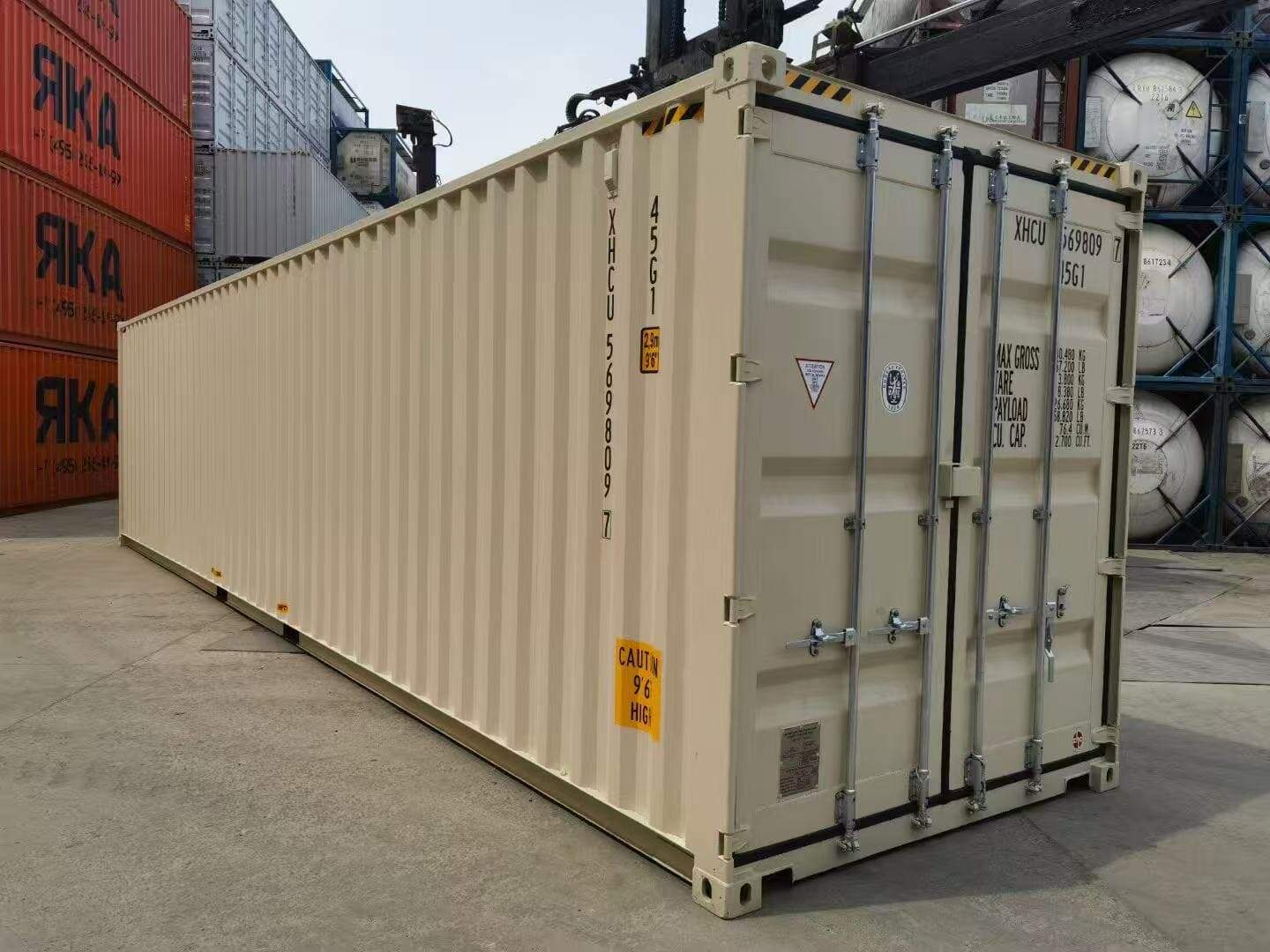
The extra foot of height in 40HQ containers transforms their utility for specific cargo types. I've sold hundreds of 40HQ containers to furniture manufacturers and textile companies who need that additional vertical space. The 40HQ offers 13% more volume than standard 40GP containers, but this advantage only matters if your cargo can utilize the extra height.
In my experience, 20GP containers serve different market segments than 40HQ. The 20GP remains the workhorse for general cargo, construction materials, and machinery. Its standardized dimensions make it compatible with more handling equipment worldwide. Every major port, inland depot, and logistics facility can handle 20GP containers without special requirements.
The 40HQ container targets specialized applications: lightweight manufactured goods, furniture, textiles, and conversion projects requiring extra headroom. However, 40HQ containers face limitations in some inland transportation networks and older port facilities that weren't designed for high-cube containers.
For business planning, consider these factors:
| Factor | 20GP Advantage | 40HQ Advantage |
|---|---|---|
| Cargo Flexibility | Handles dense and light cargo | Optimized for voluminous, light cargo |
| Infrastructure Support | Universal compatibility | Limited by height restrictions |
| Conversion Projects | Standard residential/office height | Extra headroom for specialized uses |
| Transportation | No height restrictions | May face bridge/tunnel limitations |
What's the Exact Cubic Meter Capacity of a 20GP Container?
Knowing precise measurements matters when every cubic meter affects your shipping costs and cargo planning.
A 20GP container has an internal capacity of 33.2 cubic meters (1,172 cubic feet), with internal dimensions of 5.9m length × 2.35m width × 2.39m height.
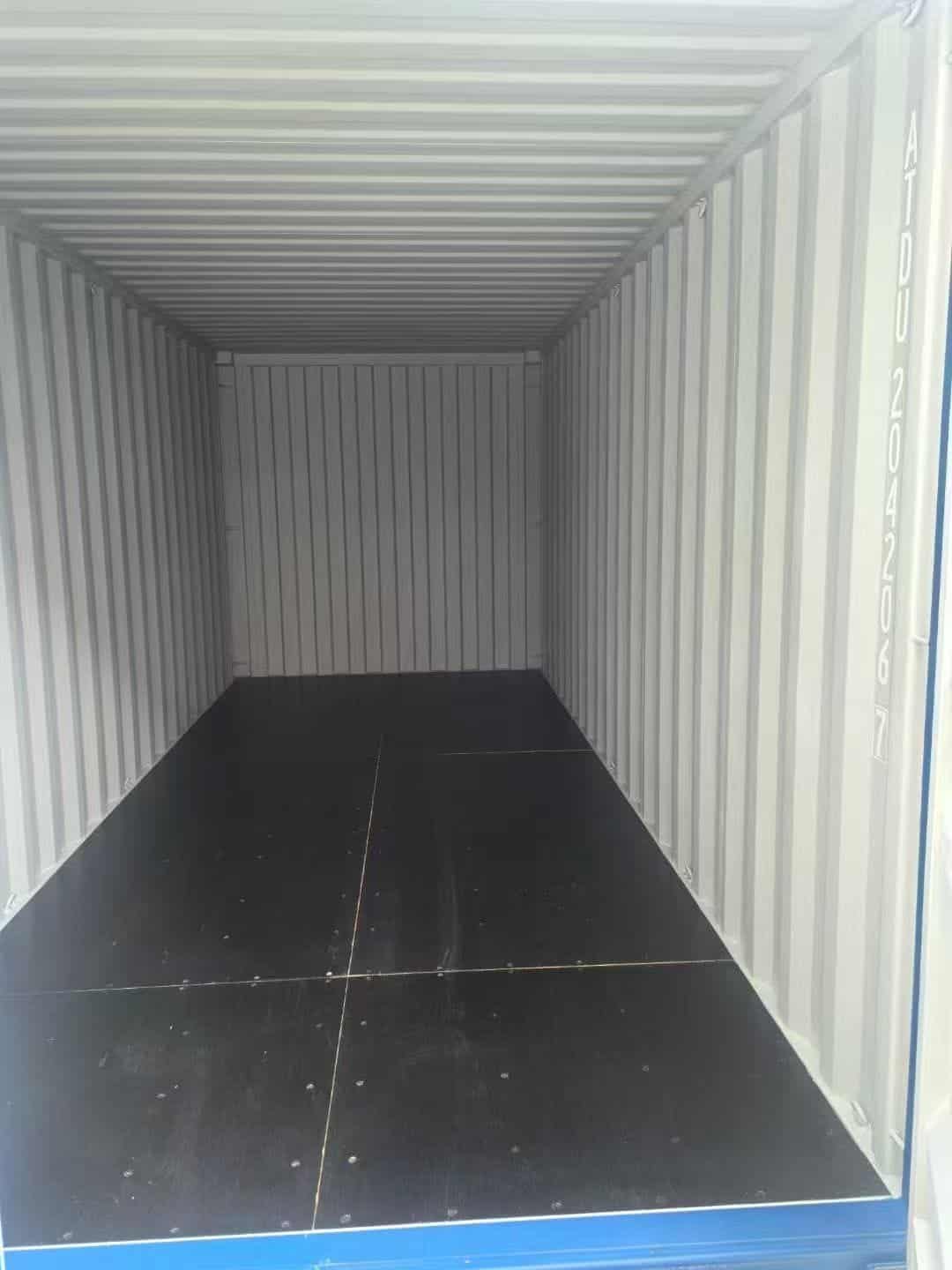
These measurements represent the actual usable space inside the container. I always tell customers to plan for slightly less than the theoretical maximum due to cargo securing requirements and practical loading constraints. In real-world loading, you'll typically achieve 90-95% space utilization depending on your cargo shape and packaging.
The 33.2 cubic meter capacity makes 20GP containers incredibly versatile. This volume accommodates approximately 10-11 standard pallets, 8-10 cubic meters of loose cargo with reasonable packing efficiency, or serves as the foundation for container conversion projects ranging from small offices to pop-up retail spaces.
Understanding these precise dimensions helps in several ways:
Cargo Planning: Calculate exact quantities before shipping to avoid last-minute surprises or wasted space.
Cost Analysis: Compare shipping costs per cubic meter across different container sizes and shipping lines.
Conversion Projects: Design modifications with accurate internal measurements for optimal space utilization.
Loading Efficiency: Plan cargo arrangement to maximize space usage while maintaining proper weight distribution.
From a practical standpoint, I've found that businesses shipping 25-30 cubic meters of cargo regularly benefit most from 20GP containers. This allows for some flexibility in cargo volume while maintaining cost efficiency. Customers shipping consistently above 35 cubic meters should consider 40GP options, while those with highly variable volumes benefit from 20GP flexibility.
The key insight from my years in this industry is that container selection shouldn't focus solely on maximizing cubic meters. The most successful shipping strategies balance volume efficiency with operational flexibility, cash flow requirements, and long-term business needs.
Conclusion
The right container choice balances your cargo volume, operational flexibility, and cost efficiency rather than simply maximizing space.
