




What Is a 1 Trip Shipping Container?
A 1 trip shipping container is a nearly new container that has completed only one international voyage from manufacturer to destination market.
One trip containers are manufactured in Asia and make single voyage to North America, Europe, or Australia maintaining 95-98% of original condition with minimal wear. These containers feature pristine exteriors, clean interiors, and full structural integrity while avoiding multiple loading cycles and port handling. Manufacturing date typically within 6-12 months ensures current safety certifications and compliance standards. One trip status provides optimal balance between new container quality and competitive pricing offering 15-25% cost savings compared to factory-new units while maintaining 90-95% of original service life.
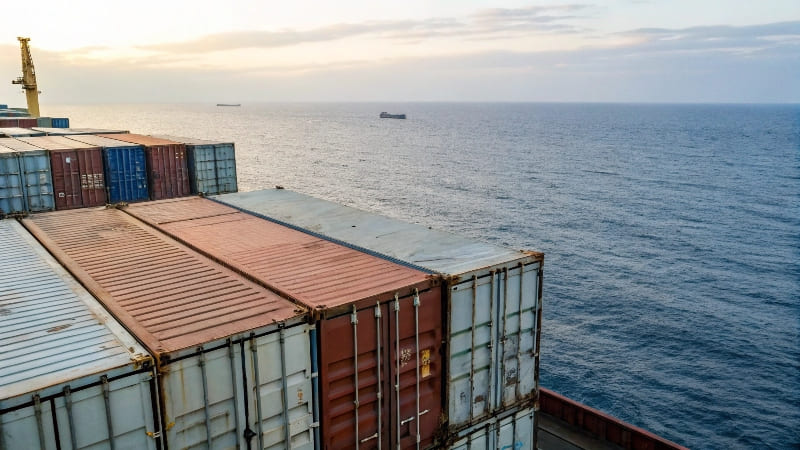
From my extensive experience in both new and used container sales, I've observed that one trip containers represent the sweet spot in the container lifecycle, providing near-new quality with significant cost advantages for buyers seeking premium condition without full new container pricing.
How Much Are One Trip Containers?
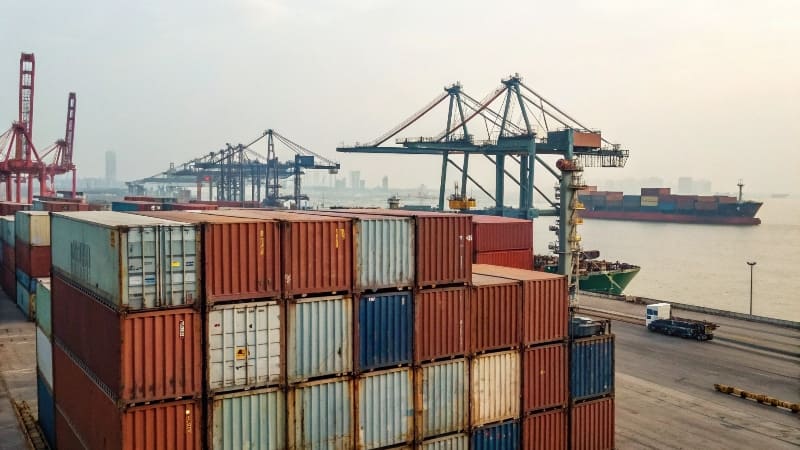
One trip containers cost $3,500-6,500 for 20-foot units and $4,500-8,000 for 40-foot units depending on location, specifications, and market conditions.
20-foot one trip containers range $3,500-6,500 while 40-foot units cost $4,500-8,000 with high cube variants adding $300-800 premium. Coastal markets typically 15-25% higher than inland locations due to port proximity and transportation costs. Specialized containers including refrigerated, open-top, or flat-rack units command 20-40% premium over standard dry containers. Market fluctuations affect pricing by $500-1,500 based on supply availability, seasonal demand, and global shipping rates. Volume purchases of 5+ units often secure 5-15% discounts with delivery included within 200-mile radius.
Regional Price Variations
One trip container pricing varies significantly across different geographic markets.
| Market Region | 20ft Price Range | 40ft Price Range | Market Factors | Supply Availability |
|---|---|---|---|---|
| West Coast Ports | $4,000-6,500 | $5,500-8,000 | High demand, port access | Good |
| East Coast Ports | $3,800-6,000 | $5,000-7,500 | Established markets | Very Good |
| Gulf Coast | $3,500-5,500 | $4,500-7,000 | Oil/gas industry demand | Good |
| Midwest Inland | $3,200-5,000 | $4,200-6,500 | Transportation costs | Limited |
| Mountain West | $3,800-5,800 | $4,800-7,200 | Remote locations | Limited |
West Coast ports command highest pricing due to Asian import proximity and strong demand.
Container Type Pricing
Different container specifications significantly impact one trip pricing structure.
| Container Type | Base Price 20ft | Base Price 40ft | Premium Factors | Typical Applications |
|---|---|---|---|---|
| Standard Dry | $3,500-5,500 | $4,500-6,500 | Base pricing | General cargo, storage |
| High Cube | $4,000-6,000 | $5,000-7,500 | +15% height premium | Oversized cargo |
| Refrigerated | $8,000-15,000 | $12,000-25,000 | Specialized equipment | Cold chain logistics |
| Open Top | $5,000-8,000 | $6,500-10,000 | +40% specialty premium | Bulk materials |
| Flat Rack | $6,000-10,000 | $8,000-14,000 | +60% specialty premium | Heavy machinery |
Standard dry containers provide the most cost-effective one trip option for general applications.
Market Timing Factors
Container pricing fluctuates based on various market and seasonal factors.
| Timing Factor | Price Impact | Duration | Planning Consideration | Optimal Strategy |
|---|---|---|---|---|
| Peak Shipping Season | +20-40% | Q3-Q4 | High demand periods | Early procurement |
| Post-Holiday Surplus | -15-25% | Q1 | Oversupply conditions | Opportunistic buying |
| Trade War Impacts | ±30-50% | Variable | Policy disruptions | Flexible timing |
| Port Congestion | +10-20% | Weeks-months | Supply chain delays | Buffer inventory |
| Fuel Price Changes | ±5-15% | Ongoing | Transportation costs | Regional sourcing |
Peak shipping season creates the highest price volatility requiring strategic procurement timing.
What Is the Difference Between Cargo Worthy and One Trip?
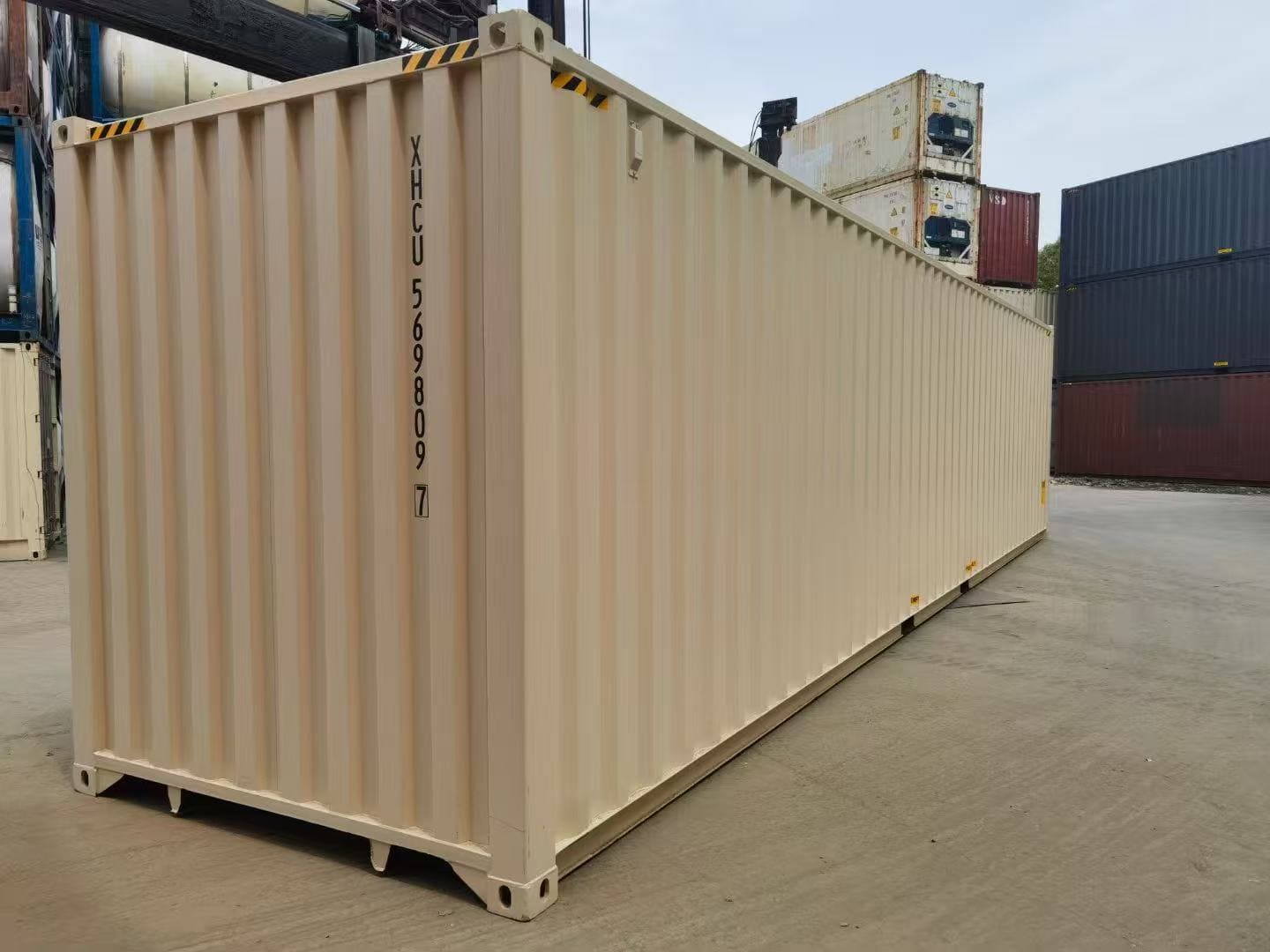
Cargo worthy containers are used units meeting shipping standards while one trip containers are nearly new with single voyage history.
Cargo Worthy (CW) containers have multiple voyage history with 5-15 years service life maintaining structural integrity and weather-tight seals for continued shipping use. One trip containers feature 6-12 month age with single international voyage providing 95-98% original condition and appearance. CW containers show wear patterns, surface rust, and minor dents while one trip units maintain pristine exterior and clean interior. Price differential ranges 40-60% with CW containers at $2,000-4,000 versus one trip units at $3,500-6,500. Certification requirements identical but remaining service life differs significantly affecting long-term value and applications.
Condition Assessment Criteria
Cargo worthy and one trip containers differ across multiple condition evaluation factors.
| Assessment Factor | Cargo Worthy | One Trip | Quality Difference | Impact on Value |
|---|---|---|---|---|
| Exterior Condition | Good to Fair | Excellent | Significant | High |
| Interior Cleanliness | Variable | Pristine | Major | Medium |
| Structural Integrity | Meets standards | Like new | Moderate | High |
| Paint/Coating | Weathered | Fresh | Significant | Medium |
| Door Seals | Functional | Perfect | Moderate | High |
Exterior condition differences provide the most visible distinction between container grades.
Service Life Expectations
Remaining useful life varies dramatically between cargo worthy and one trip containers.
| Container Grade | Remaining Life | Maintenance Needs | Resale Value | Application Suitability |
|---|---|---|---|---|
| One Trip | 15-20 years | Minimal | High retention | All applications |
| Cargo Worthy | 8-15 years | Moderate | Moderate retention | Most applications |
| Wind/Water Tight | 5-10 years | Higher | Lower retention | Storage/conversion |
| As-Is Condition | 2-8 years | Significant | Minimal retention | Temporary use |
One trip containers offer the longest remaining service life with highest resale value retention.
Cost-Benefit Analysis
Total cost of ownership differs significantly between cargo worthy and one trip options.
| Cost Factor | Cargo Worthy | One Trip | Long-term Advantage | Decision Factor |
|---|---|---|---|---|
| Initial Purchase | $2,000-4,000 | $3,500-6,500 | CW advantage | Cash flow |
| Maintenance Costs | $200-500/year | $50-150/year | One trip advantage | Operating efficiency |
| Modification Costs | Higher preparation | Lower preparation | One trip advantage | Conversion projects |
| Resale Value | $800-2,000 | $2,000-4,500 | One trip advantage | Asset management |
| Insurance Rates | Standard | Preferential | One trip advantage | Risk management |
One trip containers provide superior long-term cost performance despite higher initial investment.
Is 20 Feet Wide Enough for Two Cars?
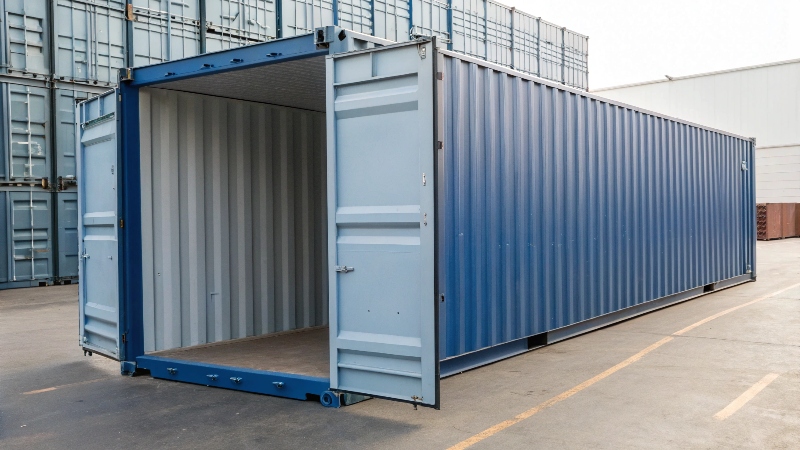
A 20-foot container cannot accommodate two standard cars side-by-side due to 8-foot interior width limitation requiring 40-foot length for dual vehicle storage.
Standard 20-foot container interior dimensions measure 19'4" length x 7'8" width x 7'10" height providing insufficient width for two vehicles side-by-side. Average car width ranges 5'8" to 6'2" requiring minimum 12-14 feet total width for dual side-by-side placement. Single compact car fits comfortably in 20-foot container with 2-3 feet remaining length for equipment storage. 40-foot container interior width of 7'8" still inadequate for side-by-side parking but 39'5" length accommodates two cars end-to-end with careful positioning and compact vehicles. Specialized car carrier containers feature 8'6" or 9'6" width enabling side-by-side vehicle transport.
Vehicle Dimension Analysis
Standard vehicle sizes compared to shipping container interior dimensions reveal storage limitations.
| Vehicle Type | Length | Width | Height | 20ft Container Fit | 40ft Container Options |
|---|---|---|---|---|---|
| Compact Car | 14-16 ft | 5'6"-5'10" | 4'8"-5'2" | Single only | Two end-to-end |
| Mid-size Sedan | 16-18 ft | 5'8"-6'0" | 4'8"-5'0" | Single tight | Two end-to-end |
| Full-size Sedan | 18-20 ft | 6'0"-6'2" | 4'10"-5'2" | Single very tight | Limited options |
| Compact SUV | 15-17 ft | 5'10"-6'2" | 5'4"-6'0" | Single only | Two end-to-end |
| Pickup Truck | 17-22 ft | 6'0"-6'8" | 6'0"-6'6" | Won't fit | Single only |
Compact cars provide the best fit for container storage with maximum flexibility.
Container Configuration Options
Different container sizes and configurations affect vehicle storage capabilities.
| Container Type | Interior Dimensions | Vehicle Capacity | Loading Method | Best Applications |
|---|---|---|---|---|
| 20ft Standard | 19'4" x 7'8" x 7'10" | 1 compact car | Drive-in | Single vehicle |
| 40ft Standard | 39'5" x 7'8" x 7'10" | 2 cars end-to-end | Drive-in sequence | Dual storage |
| 40ft High Cube | 39'5" x 7'8" x 8'10" | 2 cars + equipment | Drive-in sequence | Enhanced storage |
| Car Carrier | 40' x 8'6" x 8'6" | 2 cars side-by-side | Specialized ramps | Professional transport |
40-foot high cube containers provide optimal vehicle storage with additional clearance.
Loading and Access Considerations
Vehicle storage in containers requires careful planning for access and safety.
| Access Factor | 20ft Container | 40ft Container | Safety Requirements | Operational Impact |
|---|---|---|---|---|
| Door Opening | Single end | Single end | Adequate lighting | Limited access |
| Ramp Requirements | Standard | Standard | Non-slip surface | Loading complexity |
| Ventilation Needs | Basic | Enhanced | Moisture prevention | Air circulation |
| Tie-down Points | 8 locations | 16 locations | Secure fastening | Movement prevention |
| Interior Clearance | Minimal | Moderate | Safe maneuvering | Operator safety |
Ventilation and tie-down systems represent critical safety considerations for vehicle storage.
Alternative Storage Solutions
Various container modifications enable improved vehicle storage capabilities.
| Modification Type | Cost Range | Capacity Improvement | Complexity Level | Best Applications |
|---|---|---|---|---|
| Side Door Addition | $2,000-4,000 | Access improvement | Medium | Service access |
| Width Extension | $5,000-8,000 | Dual side-by-side | High | Custom applications |
| Roll-up Doors | $1,500-3,000 | Loading efficiency | Low | Frequent access |
| Ventilation Systems | $500-1,500 | Moisture control | Low | Long-term storage |
| Interior Racking | $1,000-3,000 | Space optimization | Medium | Multi-vehicle storage |
Side door additions provide the most cost-effective improvement for vehicle access.
Conclusion
A one trip shipping container is a nearly new container completing only one international voyage from manufacturer to destination maintaining 95-98% original condition with minimal wear and manufacturing date typically within 6-12 months. One trip containers cost $3,500-6,500 for 20-foot units and $4,500-8,000 for 40-foot units with coastal markets 15-25% higher than inland locations and specialized containers commanding 20-40% premium over standard units. Cargo worthy containers have 5-15 years service life with multiple voyage history while one trip containers feature single voyage with 95-98% original condition creating price differential of 40-60% with remaining service life differing significantly. A 20-foot container cannot accommodate two cars side-by-side due to 7'8" interior width limitation requiring 40-foot length for dual vehicle end-to-end storage while specialized car carrier containers enable side-by-side transport. Success with container selection depends on understanding that one trip containers provide optimal balance between new quality and cost savings, with cargo worthy units offering budget alternatives at the expense of remaining service life and condition, while vehicle storage requires careful dimension analysis and potentially specialized configurations for dual vehicle accommodation.
