




What Foundations Are Needed for Container Homes?
Container homes need stable, moisture-resistant foundations that evenly distribute load from corner posts. Options include slab, pier, strip, or pile foundations, depending on soil and design goals.
TRUSUS insight: a container’s strength means nothing without a properly matched foundation.
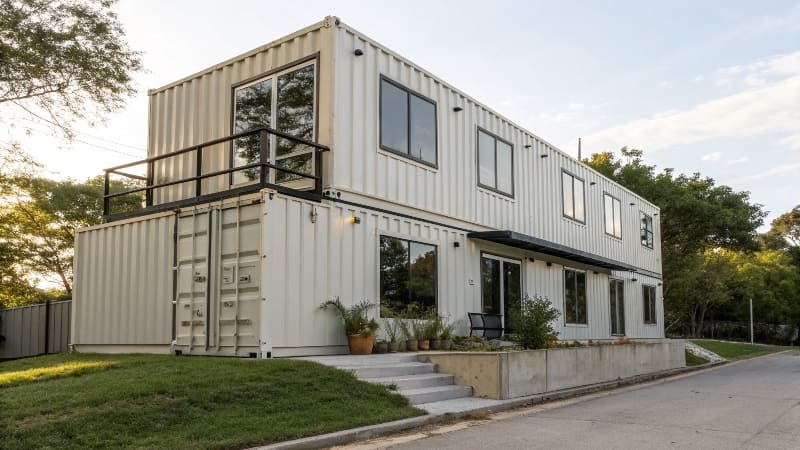
The foundation bridges transport design and permanent housing logic. It transforms a standardized steel frame into a grounded, secure dwelling by absorbing pressure and isolating moisture.
What Is the Best Foundation for a Container Home?
The best foundation is the one that matches your site conditions, occupancy time, and mobility needs. For permanent setups, concrete slabs or strip foundations provide stability. For temporary or modular use, piers or screw piles work better.
design insight: balance longevity, cost, and reusability—not just strength alone.
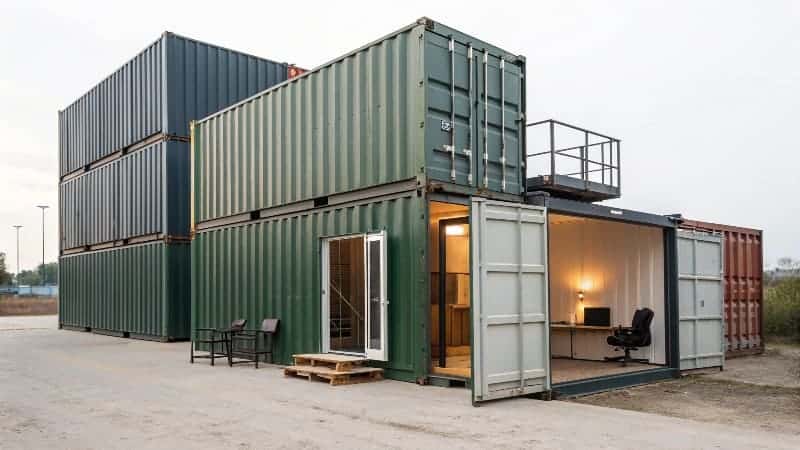
Foundation Comparison
| Foundation Type | Best For | Advantages | Limitations |
|---|---|---|---|
| Concrete Slab | Permanent dwellings | Durable, water resistant | Expensive and immobile |
| Strip Foundation | Multi-unit or heavy buildings | Strong load distribution | Time-consuming build |
| Pier Foundation | Temporary or uneven terrain | Cost-efficient, simple | Poor water drainage |
| Screw Pile | Soft or coastal soil | Reusable, minimal disruption | Limited load-bearing depth |
Structural Logic
| Factor | Effect |
|---|---|
| Soil Type | Determines footing stability |
| Load Distribution | Avoids corner bending |
| Water Drainage | Prevents corrosion and frost damage |
The best foundation supports both the container's structural integrity and its long-term usability plan.
What Is the Cheapest Foundation for a Shipping Container?
Concrete piers or treated timber piers are the most affordable options. They reduce excavation costs and allow quick installation. However, they require good water management to prevent moisture damage.
cost insight: low upfront cost doesn’t mean lowest lifetime cost—it’s about balance between durability and flexibility.

Cost Table
| Foundation Type | Estimated Cost Range | Use Case |
|---|---|---|
| Concrete Pier Blocks | Lowest | Small single-container setups |
| Timber Pier | Low–Moderate | Temporary structures |
| Screw Piles | Moderate | Movable commercial units |
| Concrete Slab | Higher | Permanent residences |
Cost–Performance Relationship
| Variable | Influence |
|---|---|
| Foundation Size | Smaller equals less cost |
| Reinforcement Need | Adds long-term strength |
| Drainage System | Extends lifespan and reduces repair expense |
Cheapest systems work well for temporary or light-load cases but still require proper leveling and moisture barriers.
What Is the Safest Foundation for a Modular Building?
The safest foundation ensures uniform weight transfer and resistance to soil movement. For modular buildings, reinforced concrete slab or properly engineered screw piles are safest due to their balance of rigidity and resilience.
safety insight: safety comes from design precision, not mass concrete volume.
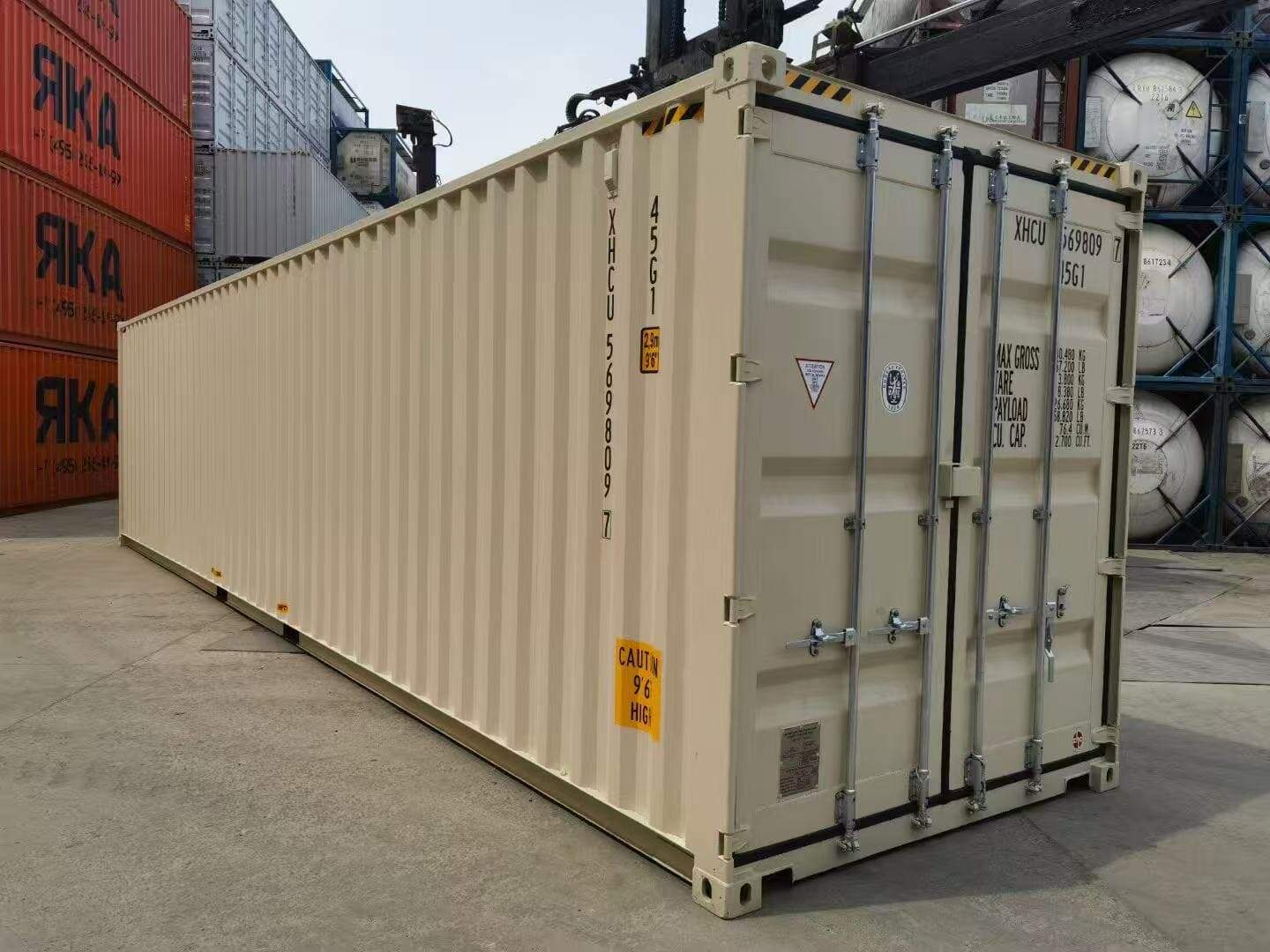
Safety Matrix
| Foundation Type | Safety Level | Core Advantage |
|---|---|---|
| Reinforced Concrete Slab | Very High | Protects against lateral movement |
| Strip Foundation | High | Stable perimeter support |
| Screw Pile System | High | Anchors modules securely |
| Pier Foundation | Moderate | Dependent on correct placement |
Engineering Principles
| Safety Factor | Importance | Description |
|---|---|---|
| Load Uniformity | Critical | Prevents tilt and misalignment |
| Waterproofing | High | Protects structure in rainy regions |
| Ground Frost Protection | High | Avoids base shifting |
| Structural Connection | Essential | Bolts or plates for secure anchoring |
The safest foundation adapts to terrain and ensures balanced contact with the container or modular frame to avoid stress concentration.
Conclusion
A container home’s success starts beneath it. Foundations determine structural reliability, comfort, and asset longevity. TRUSUS believes that a stable base is more than concrete—it’s a strategic interface between steel precision and land reality, turning mobility into permanence with intelligent design.
