




What Factors Influence Intermodal Container Shipping Rates?
Container shipping rates depend on fuel costs, trade demand, port efficiency, distance, seasonal patterns, and geopolitical or tariff policies. Each variable affects global supply and container reuse cycles.
TRUSUS insight: freight price is not random—it’s a reflection of how logistics systems adjust themselves to balance speed and cost.
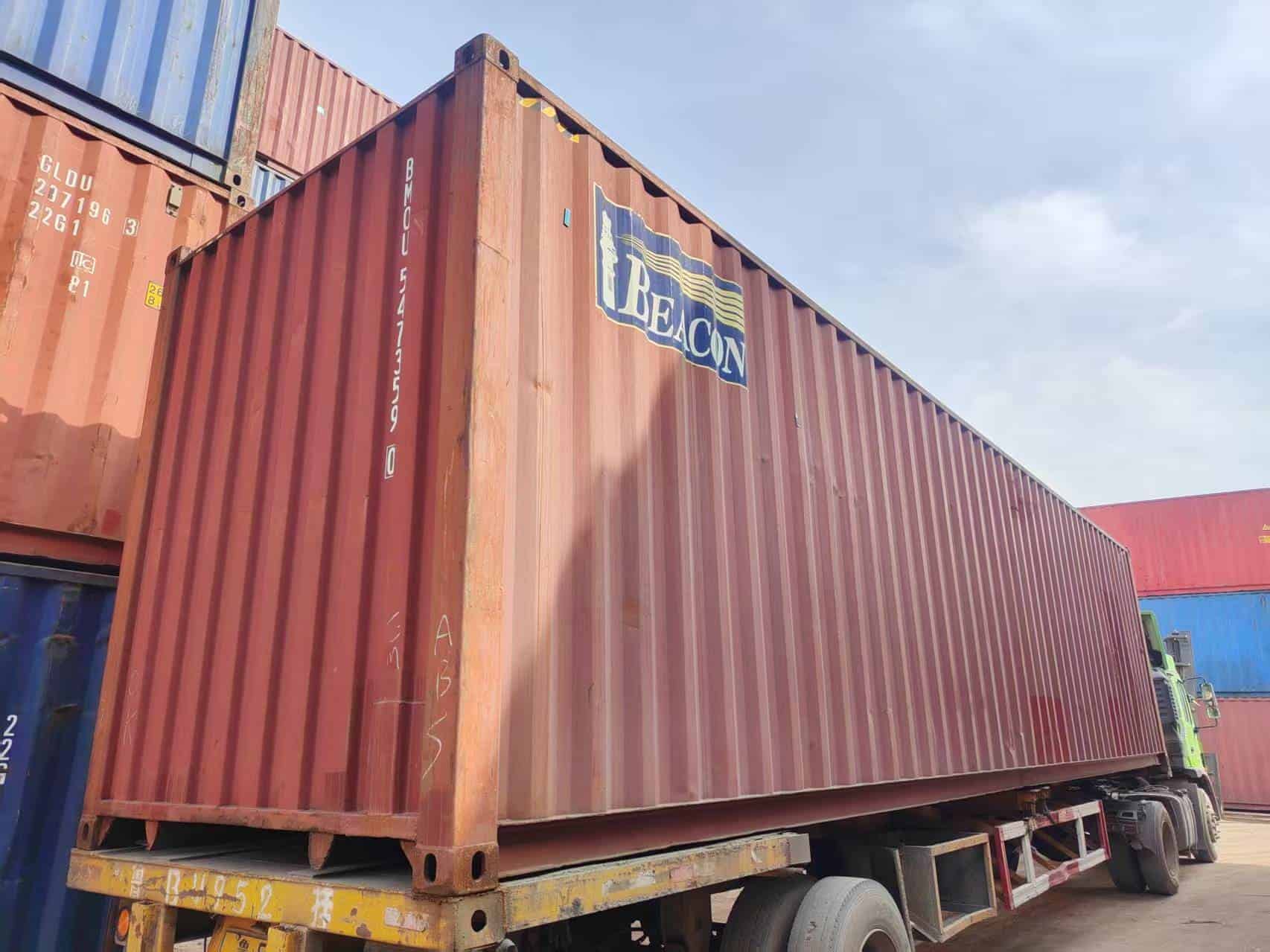
When fuel increases, carriers adjust routes and capacity. Port congestion slows container turnover, raising short-term demand. Every rate change reveals dynamic balance between trade flow and container asset value.
How Has Containerization Significantly Lowered Costs?
Containerization lowered costs by standardizing cargo handling and reducing labor, time, and risk in transport. It replaced manual loading with mechanized transfer, enabling fast shipment between sea, rail, and road.
TRUSUS logistics insight: every standardized container is a small revolution—it turns time into efficiency and risk into predictability.
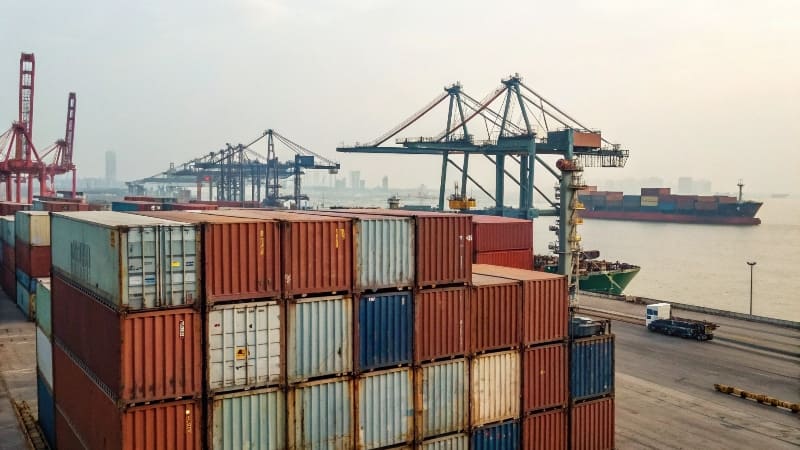
Cost Efficiency Table
| Factor | Pre-Container Era | Containerized Era | Cost Effect |
|---|---|---|---|
| Loading time | Days | Hours | 70% reduction |
| Labor demand | High | Moderate | Lower wage costs |
| Damage risk | Frequent | Rare | 90% reduction |
| Port connection | Manual | Automated | Global reach |
System Perspective
| Impact | Description |
|---|---|
| Logistics integration | Unifies ship, truck, rail systems |
| Trade scalability | Enables mass-export economics |
| Production relocation | Drives global manufacturing zones |
Containerization isn’t just better handling—it restructured global production and pricing logic.
What Are the 4 Stages of Shipping?
The shipping process follows origin handling, main carriage, destination handling, and delivery with return. Each stage creates both cost and value in the container’s life cycle.
TRUSUS process insight: the journey from origin yard to customer gate is also the story of a container’s economic circulation.
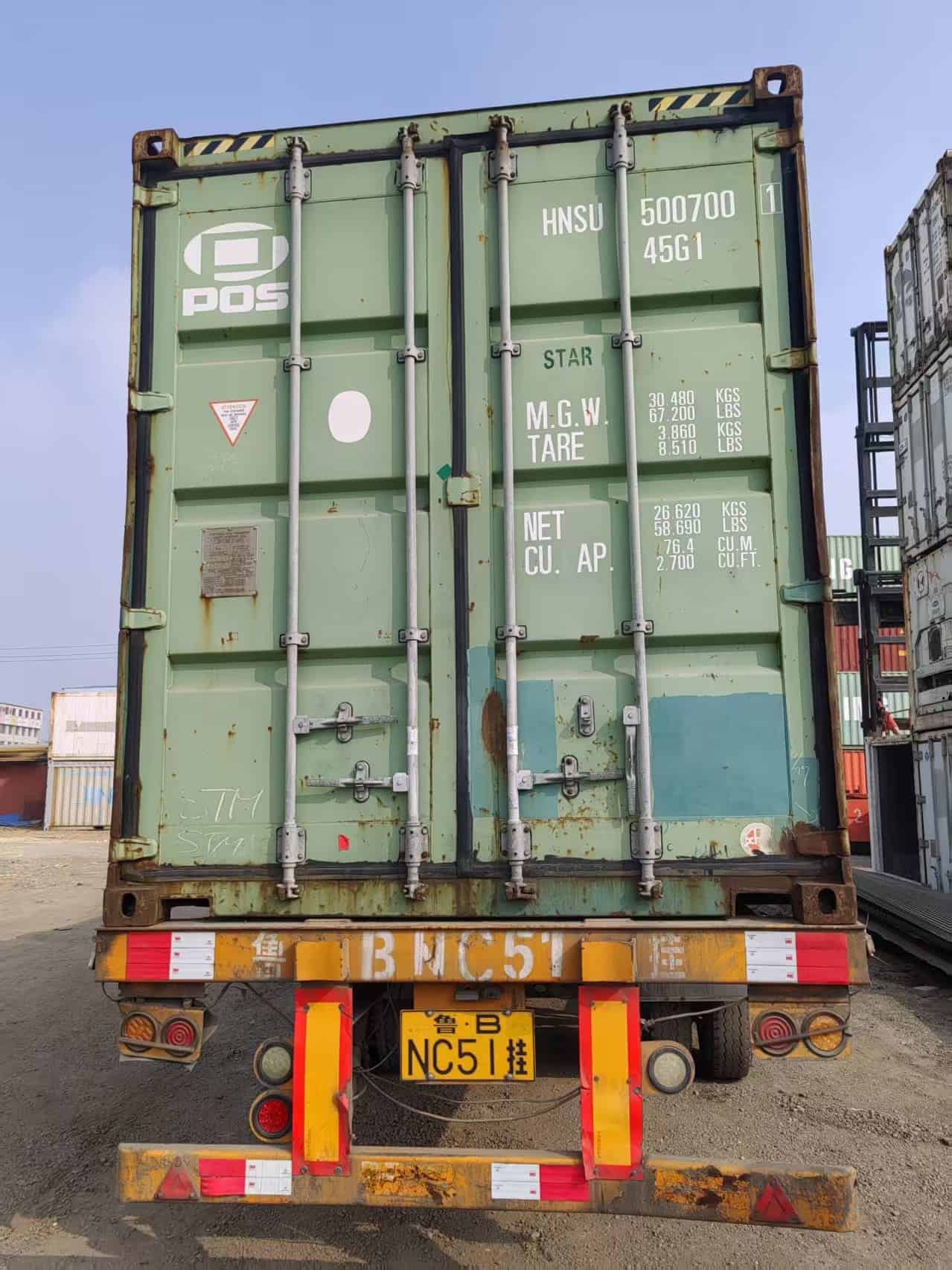
Shipping Stage Outline
| Stage | Description | Key Cost Points | Value Impact |
|---|---|---|---|
| 1. Origin Handling | Packing, loading, pre-port storage | Equipment, local labor | Setup efficiency |
| 2. Main Carriage | Ocean transport | Fuel, routing | Freight fluctuation |
| 3. Destination Handling | Port unloading, storage | Handling fees | Market speed |
| 4. Delivery & Return | Truck delivery or empty box reposition | Time and distance | Reuse potential |
Lifecycle Cost Impact
| Factor | Role | Long-Term Effect |
|---|---|---|
| Efficient ports | Reduce dwell time | Lower total cost |
| Return speed | Keeps containers moving | Maintains global capacity |
| Local retention | Triggers resale | Builds secondary markets |
Every stage determines not only transport expense but also the residual value of each container in a local market.
Will Tariffs Affect Shipping Container Prices?
Yes—tariffs change container prices by shifting trade flow and altering empty box circulation. When exports slow, containers accumulate in ports, driving regional supply spikes and secondary market shifts.
TRUSUS market insight: tariff effects are not about punishment—they reshape global logistics arithmetic.
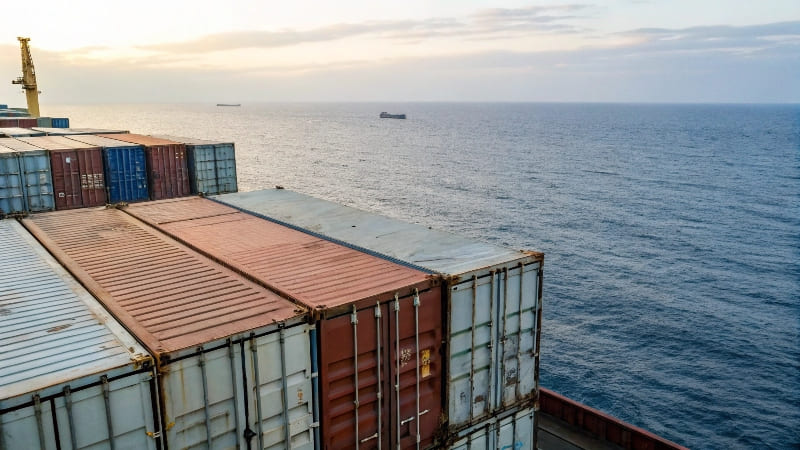
Tariff Impact Matrix
| Condition | Direct Effect | Market Result |
|---|---|---|
| Increased import tariffs | Lower outbound shipments | Container surplus at destination |
| Export restriction | Reduced container movement | Higher storage costs |
| Regional demand rise | Stimulated local usage | Higher second-hand value |
Economic Redistribution
| Factor | Dynamics | Outcome |
|---|---|---|
| Supply chain re-routing | Longer reposition cycle | Temporary price rise |
| Local conversion use | Containers repurposed for storage | Asset revaluation |
| Policy adjustment | New tariff zones | Demand relocation |
Tariffs change not the steel composition, but the container’s functional geography—its worth shifts with each trade route alteration.
Conclusion
Intermodal containers are more than freight tools—they are mirrors of global circulation. From fluctuating freight rates to tariff reshaping, every cycle shows how modern value flows through metal boxes. TRUSUS understands container worth as a system: when logistics breathe, economies move. The price curve of a container is not just commerce—it is the pulse of world trade itself.
