




What Does ISO Mean on Containers?
Many people see the “ISO” marking on containers but never ask what it truly stands for. ISO defines the global standard ensuring every container fits, locks, and transports anywhere worldwide through precise technical requirements governing size, construction, and compatibility.
ISO on containers refers to the International Organization for Standardization, which sets global specifications regulating dimensions, corner fittings, capacity, and load strength ensuring all containers meet uniform international standards for safe, compatible, and interchangeable shipping worldwide.
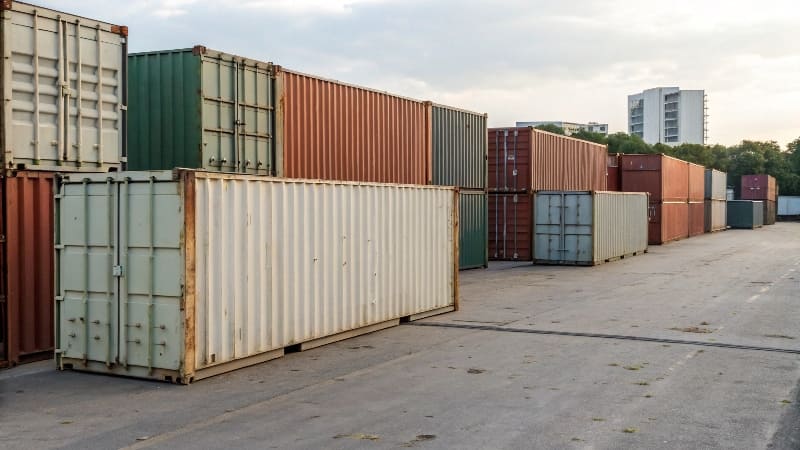
Over years handling ISO container trading across ports and inland terminals, I learned that this standardization isn’t only about dimensions. It’s about global trust — a shared language of manufacturing, logistics, and safety that enables seamless movement of goods and structures anywhere on earth.
Are Shipping Containers Rain Proof?
Buyers often wonder if standard containers can really keep goods dry through ocean travel and storage. Weather resistance defines container quality more than any other feature, ensuring integrity through rough transit, condensation, and rainfall under extreme conditions.
Shipping containers are designed to be rainproof and weather-resistant, using welded steel construction, corrosion-resistant coatings, and watertight rubber door seals that prevent leakage under normal conditions though prolonged standing water or physical damage may compromise complete waterproofing.
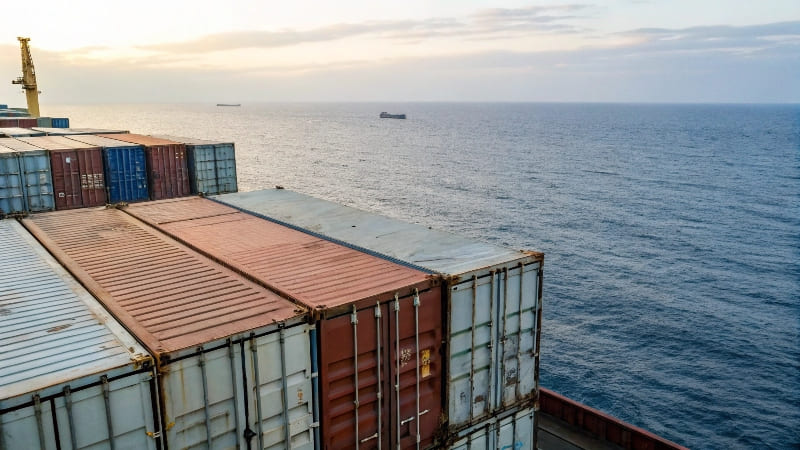
Comprehensive Weather Resistance and Sealing Performance Analysis
Shipping container weather protection results from precision-engineered design, materials, and manufacturing standards governed under ISO regulations. Through working with shipping fleets and container refurbishment, I learned that true rain resistance depends on maintenance, structure integrity, and door sealing condition more than raw steel strength.
Structural design includes fully welded seams and corrugated walls providing both rigidity and water resistance against rain, high spray, and rough sea conditions while retaining dry interiors for transported goods.
Door sealing involves continuous rubber gaskets that compress under locking pressure preventing moisture penetration even in heavy rainfall or humid conditions across shipping routes and storage yards.
Roof and corner joints incorporate anticorrosive coatings and overlap design ensuring water runoff without pooling, critical for long-term outdoor use under variable climates.
Floor systems employ marine-grade plywood or steel floors treated against moisture ingress, maintaining dry cargo environments without internal condensation damage when vents function properly.
Ventilation openings prevent heat buildup while maintaining moisture balance though they are designed downward-facing to avoid direct water entry even under spray and storm exposure.
Surface treatment including primer coating and exterior marine paint enhances corrosion resistance preventing rust-related leaks due to prolonged salt exposure.
Maintenance determines long-term waterproofing; aged gaskets, bent doors, or structural warping reduce weather resistance requiring periodic visual inspection and seal replacement.
Usage conditions affect rainproof performance with containers intended for storage or transport remaining dry under normal use though custom modifications may compromise waterproof integrity if not professionally sealed.
Conversion projects for offices or homes involve added openings that require secondary seals and flashing systems to maintain weather resistance consistent with container-grade protection.
| Design Feature | Function | Waterproofing Impact | Maintenance Notes |
|---|---|---|---|
| Welded Steel Walls | Seamless structure | Prevents wall leakage | Inspect for rust |
| Roof Corrugations | Drainage path | Reduces pooling | Keep clear of debris |
| Door Gaskets | Rubber seal line | Blocks water entry | Replace when cracked |
| Vent Covers | Downward design | Vent without water | Clean regularly |
| Corner Casting Seals | Precise ISO joints | Maintains fit | Monitor corrosion |
| Marine Coating | Rust prevention | Long-term durability | Repaint as needed |
| Floor Treatment | Moisture barrier | Stops ground seepage | Maintain coating |
| Structural Integrity | Framework rigidity | Ensures seal pressure | Repair dents promptly |
What Are the Rules for ISO Containers?
Understanding ISO container rules reveals why they remain universally reliable. ISO regulations define every critical detail controlling safety, compatibility, and inspection methods ensuring containers perform consistently across different nations, ports, and transport systems worldwide.
The rules for ISO containers are established by ISO 668 and related standards defining dimensions, gross weight, corner fitting tolerances, testing protocols, and identification markings ensuring every container can safely stack, lift, and transport under uniform international conditions.
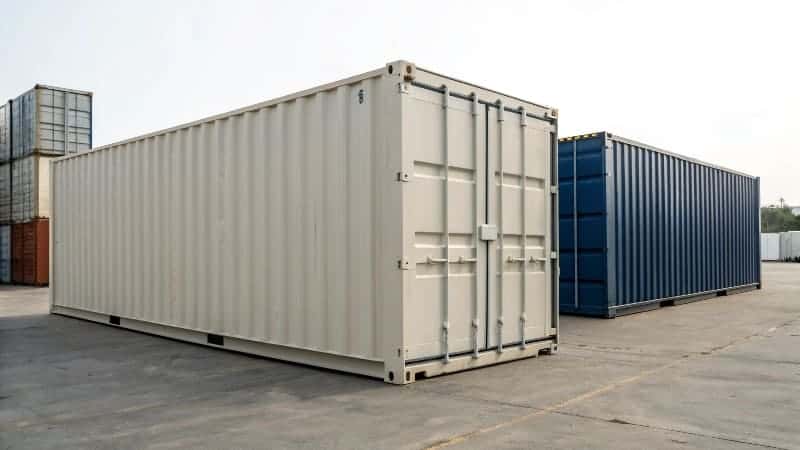
Detailed Overview of ISO Container Regulations and Compliance
ISO container regulations ensure consistency in safety, structure, and operation across global transport networks. Working through compliance audits, I realized these rules enable interchangeability and trust, allowing containers from any manufacturer to integrate seamlessly across shipping lines, cranes, and stacking locks.
ISO 668 governs classification, dimensions, and weight limits for all freight containers, establishing standardized external dimensions (20ft, 40ft, 45ft) and corner fitting positions to guarantee interoperability.
ISO 1496 defines performance tests including stacking, lifting, drop impact, and racking ensuring containers withstand mechanical stress during intermodal handling.
ISO 1161 specifies corner fitting details — the universal “locking point” system used for lifting and securing containers across ships, trucks, and trains worldwide.
ISO 6346 describes container identification markings — the coding system assigning every container unique ownership, size, and handling symbols regulating movement and safety tracking.
ISO 2308 outlines container testing methods verifying structural stability and pressure resistance through dynamic and static load examinations simulating real-world transport conditions.
CSC Convention (1972) — implemented alongside ISO standards — mandates safety approval for containers used in international transport verifying compliance with mechanical and environmental endurance tests.
| ISO Standard | Regulates | Function | Compliance Requirement |
|---|---|---|---|
| ISO 668 | Dimensions & Ratings | Standard sizes and capacity | Manufacturer certification |
| ISO 1496 | Structural Testing | Ensures durability | Mandatory load testing |
| ISO 1161 | Corner Fittings | Universal lifting lock points | Precision machining |
| ISO 6346 | Identification Code | Global container tracking | Label compliance |
| ISO 2308 | Strength Verification | Pressure and rigidity checks | Routine testing |
| CSC Safety Approval | Safety Certification | International use legality | Convention compliance |
What Are ISO Containers Used For?
Understanding modern ISO container applications reveals their expanded role beyond shipping logistics. ISO containers now serve in architecture, disaster relief, mobile retail, and energy storage, becoming modular building blocks for both economic and environmental value creation.
ISO containers are used for international cargo transport and multimodal logistics, as well as modular construction, mobile offices, pop-up shops, emergency shelters, and energy storage units, offering durable, stackable, and globally compatible solutions for both trade and architecture.
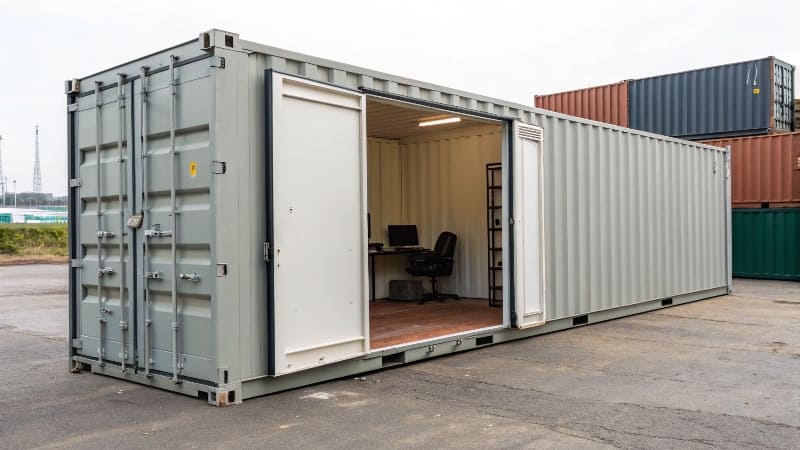
Comprehensive Application Spectrum and Cross-Industry Integration
ISO containers have evolved from simple freight carriers into versatile multi-sector assets combining strength, mobility, and scalability. Through projects involving post-logistics container reuse, I’ve seen firsthand how standardization allows creative adaptation across transport, storage, and space design industries.
Logistics and Transport: Their original function remains critical in multimodal systems connecting ports, rail, and trucking into a cohesive global network reducing handling and damage risks through standard fittings and container stacking capabilities.
On-Site Storage: Businesses use retired containers as secure, weatherproof on-site storage for machinery, tools, and goods providing quick deployment and relocation for industrial operations or construction projects.
Modular Construction: Architects repurpose ISO containers as structural modules for pop-up shops, offices, and housing projects leveraging standardized frames, integrated load capacity, and easy transportability.
Emergency Infrastructure: Humanitarian organizations deploy container-based shelters, clinics, and mobile command centers for disaster relief using pre-certified ISO durability and wind resistance as rapid-deployment building systems.
Energy and Telecom: Containers form bases for modular energy systems such as microgrids, battery storage, and telecommunication hubs integrating pre-fabricated components ready for field operation.
Cultural Uses: Artists and designers transform containers into exhibition units or art installations symbolizing mobility, industrial heritage, and circular design in creative industries.
Circular Economy: Refurbished ISO containers extend lifecycle performance, reducing manufacturing waste and reinforcing sustainability across global industries emphasizing reuse and long-term durability.
| Application Category | Primary Use | Key Advantage | Long-term Value |
|---|---|---|---|
| Logistics & Freight | Global cargo transport | Intermodal efficiency | Low handling damage |
| Commercial Storage | On-site secure units | Mobility & weatherproofing | Reusable asset |
| Modular Construction | Housing, offices | Structural consistency | Expandable design |
| Emergency Response | Temporary shelters | Quick deployment | Life-saving utility |
| Energy Systems | Power modules | Pre-fabricated housing | Sustained reliability |
| Telecommunication | Signal hubs | Mobile setup | Low maintenance |
| Creative Spaces | Events, art | Industrial aesthetic | Cultural value |
| Circular Reuse | Refurbishment | Extended product life | Environmental benefit |
Conclusion
ISO containers follow global standards ensuring structural strength, uniform dimensions, and identification clarity; they are rainproof under normal conditions, governed by ISO 668 and related rules covering dimensions, testing, and identification, and they serve diverse roles from global transport to modular buildings embodying standardized, sustainable, and versatile global assets.
