




What Does Container Lashing Mean?
Container lashing refers to the method of securing containers on a ship using specialized equipment like steel ropes, lashing bars, and twist locks to prevent movement during transit. It plays a crucial role in ensuring safety and stability at sea.
TRUSUS industry insight: lashing is not just about tying things up—it’s a fundamental safety measure in shipping.
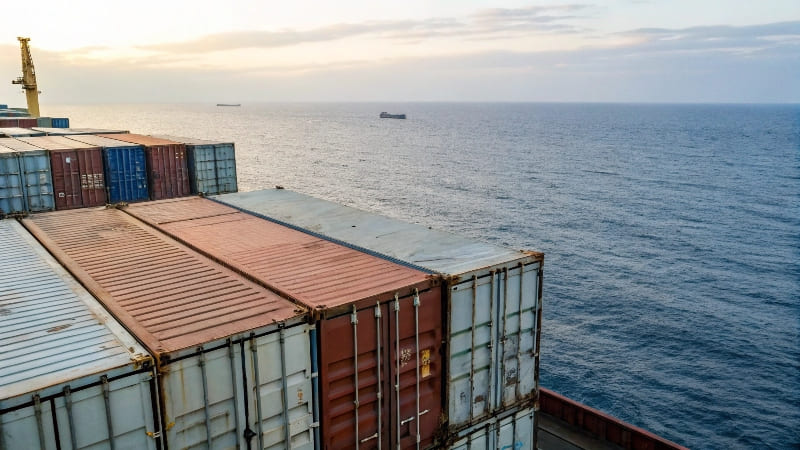
I increasingly see clients now ask about lashing as part of their safety and operational planning.
Proper lashing ensures everything stays in place.
Main Components Of Lashing Systems
| Lashing Element | Purpose |
|---|---|
| Steel ropes | Tension control |
| Lashing bars | Vertical restraint |
| Twist locks | Secure attachment |
Each component has a specific function.
Lashing And Container Stability
| Lashing Type | Key Function |
|---|---|
| Vertical lashing | Prevents sliding |
| Diagonal lashing | Stops tipping |
| Horizontal lashing | Stops shifting |
Lashing is about controlling movement.
Why Lashing Is Important For Safety
| Safety Outcome | Lashing Benefit |
|---|---|
| Reduced cargo damage | Prevents movement |
| Prevents container collapse | Ensures structural balance |
| Lower risk of accidents | Enhances loading efficiency |
Lashing prevents hazards at sea.
The Evolution Of Lashing Systems
| Traditional Approach | Modern Standards |
|---|---|
| Basic rope tying | Precise engineering |
| One-time use | Continuous monitoring |
| Manual methods | Automated systems |
Lashing is becoming more professional and standardized.
Why Clients Ask More About Lashing
| Traditional Shipping Focus | Modern Safety Requirements |
|---|---|
| Functional container use | Structural load understanding |
| Cost-conscious shipping | Operational risk analysis |
| Basic information needs | Technical consulting demands |
Lashing is now seen as a vital system.
The Industry Shift Behind Lashing Questions
| Traditional Shipping Industry | Modern Technical-Service Market |
|---|---|
| Product shipment focus | Safety and stability consulting |
| Short-term logistics | Lifecycle performance planning |
| Simple transport solutions | System-solution expertise |
I increasingly believe lashing knowledge will define modern container operations.
Why Do Cargo Containers Have Ridges?
Cargo containers have ridges on their top and side panels, such as corrugated waves. These ridges are engineered to increase structural strength while keeping the container lightweight.
TRUSUS engineering insight: ridge design is a smart way to maximize strength with minimal material.
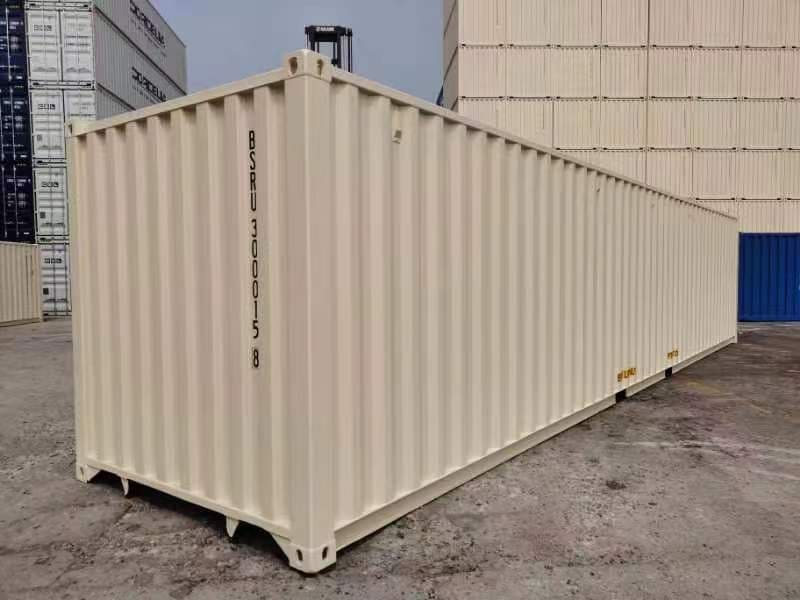
I increasingly see clients recognize the functional purpose of these features.
Understanding ridges leads to better use.
Why Ridges Are Designed That Way
| Ridge Function | Engineering Logic |
|---|---|
| Increases strength | Higher moment of inertia |
| Distracts stress | Avoids localized deformation |
| Maintains rigidity | Reduces vibration |
| Reduces material use | Achieves efficient strength |
Ridges are about optimizing performance.
How Ridges Improve Container Performance
| Structural Benefit | Technology Explanation |
|---|---|
| Lighter structure | Less material used |
| Thinner walls | Ridges carry more load |
| Stronger joints | Improved resistance to bending |
| Better corner integrity | Enhanced durability |
Ridges give containers strength without weight.
Why Ridges Matter For Loading
| Loading Challenge | Ridge Solution |
|---|---|
| Heavy cargo | Even distribution |
| Multi-layer stacking | Reduced stress |
| High wind conditions | Stability in motion |
Ridges help in complex operational scenarios.
The Hidden Value Of Ridges
| Client Perception | True Engineering Insight |
|---|---|
| It looks odd | It distributes stress |
| It makes it heavier | It carries more load |
| It's just decoration | It’s a structural feature |
Understanding ridges reveals the engineering depth.
Why Clients Are Becoming More Informed
| Traditional Container User | Modern Technical-Oriented User |
|---|---|
| Focus on appearance | Focus on structural strength |
| Basic use knowledge | Deep system understanding |
| Limited interest in design | Interest in engineering value |
Clients increasingly think in terms of technical advantages.
The Industry Shift Behind Ridge Questions
| Traditional Container Market | Modern Engineering-Driven Market |
|---|---|
| Product purchase focus | Technical performance focus |
| Basic container use | System understanding approach |
| Limited operational awareness | Full lifecycle application knowledge |
I increasingly see design insight become part of professional container knowledge.
What Determines How Containers Should Be Lashed?
The way containers are lashed depends on several key factors: cargo weight, sea conditions, ship type, stacking height, and installation complexity. Each of these plays a role in determining the lashing method.
TRUSUS loading insight: lashing must match the actual shipping situation to be effective.
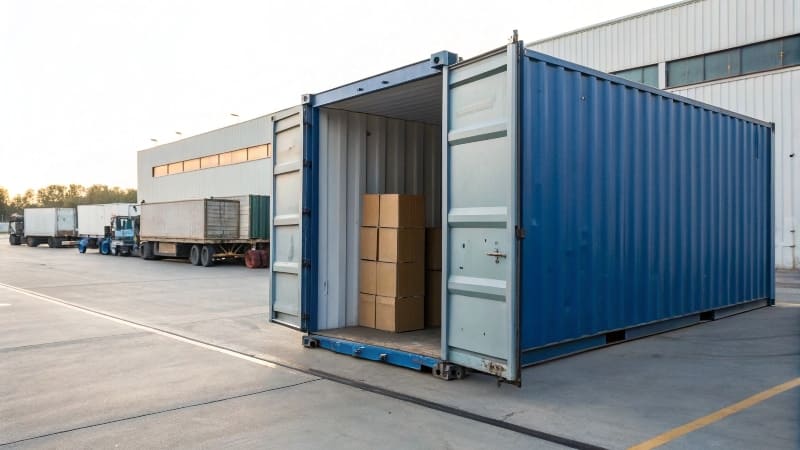
I increasingly see professionalism in how lashing is planned and applied.
Each detail matters for safety.
Key Factors Influencing Lashing Method
| Determining Element | Impact |
|---|---|
| Cargo weight and distribution | Load balance |
| Sea conditions and wave height | Dynamic loads |
| Ship type and size | Lashing accessibility |
| Stacking arrangement | Crane and lashing efficiency |
Lashing must match the environment.
How Weight Affects Lashing
| Weight Factor | Lashing Requirement |
|---|---|
| Heavy goods | Stronger lashing |
| Uneven load | More lashing points |
| Lightweight cargo | Less tension needed |
Adjust lashing based on cargo characteristics.
How Sea Conditions Influence Lashing
| Weather Impact | Lashing Adjustment |
|---|---|
| High winds | More lashing bars |
| Rough waves | Stronger twist locks |
| Empty cargo | Reduced lashing needed |
Adaptable lashing is key for safe transport.
How Ship Type Determines Lashing
| Ship Type | Lashing Application |
|---|---|
| Bulk carriers | Structural lashing |
| Container ships | Systemized lashing |
| Ro-Ro vessels | Designed lashing points |
Each ship has its own lashing plan.
How Stacking Indicates Lashing Needs
| Stacking Method | Lashing Consideration |
|---|---|
| Tall stacking | Stricter lashing |
| Wide loading | More lashing points |
| Tight cargo | Flexible lashing |
Adjust lashing based on stacking and cargo layout.
Why Lashing Standards Are Evolving
| Traditional Lashing Techniques | Modern Safety Protocols |
|---|---|
| Basic rope tying | Advanced tension control |
| Quick installation | Systemized safety setup |
| Simple bonding | Designed engineering connection |
Lashing becomes a science and an art.
The Industry Shift Behind Lashing-Method Questions
| Traditional Shipping Model | Modern Technical-Service Approach |
|---|---|
| Product delivery focus | Safety performance consulting |
| One-size-fits-all lashing | Customized system solutions |
| Short-term operations | Lifelong stability planning |
I increasingly see lashing planning as a key technical detail.
What Is Lashing On A Container Ship?
Lashing on a container ship involves carefully securing containers using standardized equipment and procedures to ensure they remain steady during transit. It’s part of the broader vessel safety system.
TRUSUS safety insight: proper lashing prevents cargo shifting, tipping, and damage during travel.
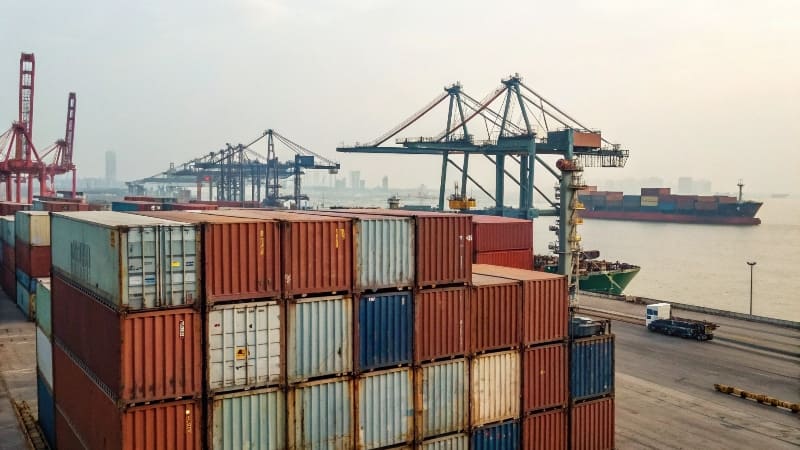
I increasingly see professionals emphasize lashing as a critical part of maritime workflow.
Containers must be tied with precision.
Lashing On The Ship
| Key Ship Practice | Safety Impact |
|---|---|
| Use of lashing bars | Wall loading control |
| Twist lock systems | Secure corner fittings |
| Container positioning | Prevent tilting and sliding |
Each step helps the lashing system function.
Lashing And Regulatory Standards
| Regulation Focus | Lashing Requirement |
|---|---|
| International Maritime Organization (IMO) | Strict binding procedures |
| Container certification | Safety confirmation |
| Port inspection guidelines | Preparation for shipping |
Regulations are central to lashing safety.
How Lashing Works On The Ship
| Lashing Operation | Purpose |
|---|---|
| Vertical lashing | Stops sliding |
| Diagonal lashing | Prevents flipping |
| Horizontal lashing | Stops shifting |
Multiple lashing types work together.
The Lashing System Tools
| Lashing Tool | Function |
|---|---|
| Steel ropes | Creates tension |
| Lashing bars | Provides structure |
| Twist locks | Ensures stability |
Tools are vital for safe loading.
How Lashing Works In Different Conditions
| Sea Condition | Lashing Action |
|---|---|
| Windy weather | Additional bars |
| Rough waves | Full lashing coverage |
| Calm waters | Basic setup |
Lashing adapts to the actual environment.
Why Lashing Is A Technical Process
| Lashing Focus | Realization |
|---|---|
| Safety first | Quality control |
| Efficiency | Cost optimization |
| Education | Technical development |
Lashing is both practical and imperative.
The Industry Shift Behind Lashing-On-Ship Questions
| Traditional Shipping Planning | Modern Engineering-Based Planning |
|---|---|
| Basic product usage | Technical lashing systems |
| Operational cost control | Safety-performance planning |
| General-purpose solutions | Custom-made systems |
I increasingly see lashing become a core technical discipline.
Conclusion
At TRUSUS, I see container lashing evolve from basic securing into a critical engineering decision. Its importance reveals an industry moving towards safer, smarter, more informed operations.
