




What Does a Cargo‑Worthy Container Mean?
A cargo‑worthy container is one that meets international safety and structural standards for global shipping.
It has passed professional inspection and certification confirming its ability to safely carry goods over land and sea.
TRUSUS logistics insight: being “cargo‑worthy” is more than intact walls—it means the container is legally and structurally fit for sea transport.
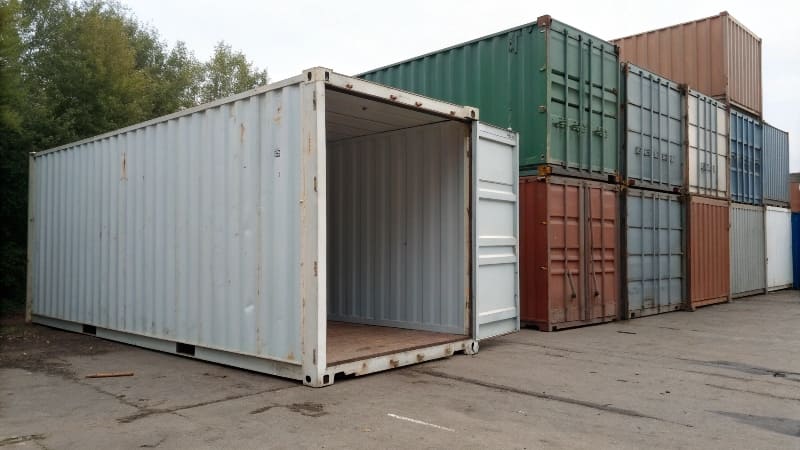
Such containers hold valid CSC (Container Safety Convention) plates and meet IICL standards, proving they can handle ocean conditions and meet insurance and customs requirements.
What Is a Cargo‑Worthy Container?
A cargo‑worthy container shows no major damage, deformation, or corrosion, and its doors, locks, and gaskets work normally.
It passes a certified inspection marking it ready for international shipping without structural repair.
TRUSUS certification insight: a container’s badge of worthiness comes from data and inspection, not just from the way it looks.
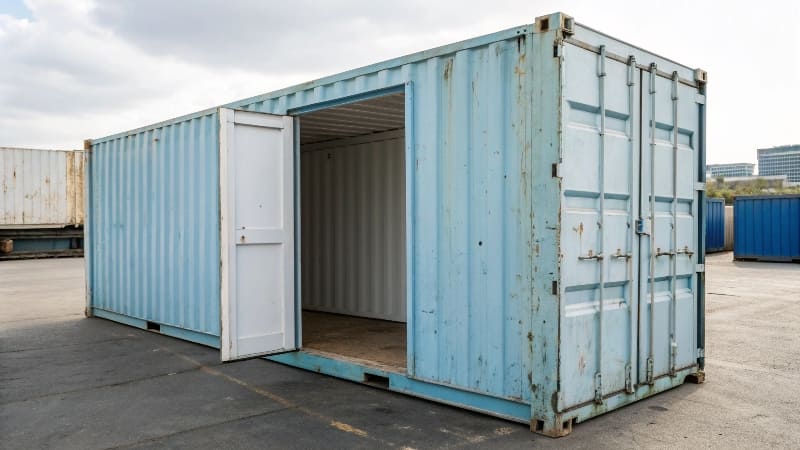
Cargo‑Worthy Checklist
| Inspection Item | Requirement | Reason |
|---|---|---|
| CSC Plate | Must be valid and readable | Confirms compliance with global shipping law |
| Structural Frame | No bends, cracks, or corrosion holes | Ensures mechanical strength |
| Door Seals | Must close fully and resist water | Protects cargo from leaks |
| Floor Condition | Intact plywood or steel | Supports load safely |
| Panel Surface | No penetration or large dents | Maintains watertight integrity |
When it meets all criteria, the container can move between countries under standard shipping documentation.
What Shipping Containers Are Seaworthy?
Seaworthy containers are those proven to perform reliably under marine exposure.
They must resist salt corrosion, pressure from stacking, and constant vibration during voyages.
TRUSUS marine insight: “seaworthy” expands beyond structure—it includes resistance to the ocean itself.
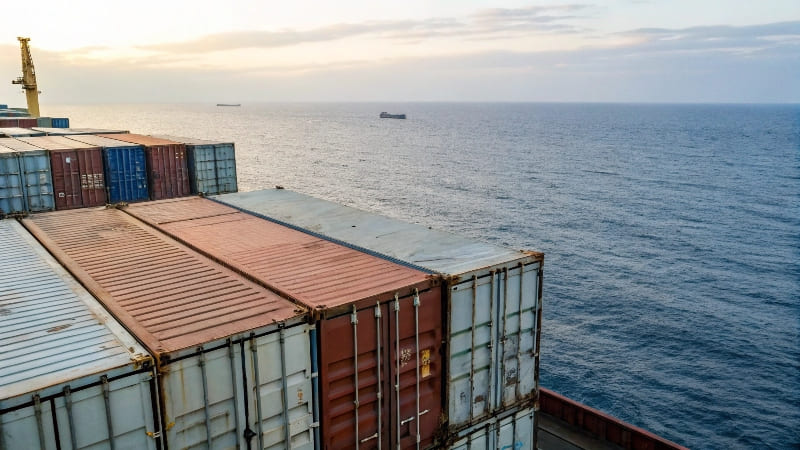
Seaworthy Attributes
| Feature | Description | Importance |
|---|---|---|
| Salt Resistance | Galvanized or coated steel | Prevents rust and degradation |
| Watertight Seals | Intact rubber gaskets | Keeps interior completely dry |
| Floor Strength | Meet or exceed ISO load standards | Handles heavy machinery and cargo |
| Corner Castings | Aligned and undamaged | Ensures safe stacking and crane lifts |
| Ventilation | Balanced airflow control | Prevents condensation buildup |
These standards turn a container from “usable” into “ocean‑ready,” qualified for global transport across rough seas.
What Makes a Shipping Container Seaworthy?
A container becomes seaworthy when every structural, safety, and environmental condition is validated through inspection and documentation.
It must have valid certification and physical integrity that guarantee safe performance through full‑route shipping exposure.
TRUSUS safety insight: seaworthiness is the container’s guarantee that it can survive the voyage and deliver goods unchanged.
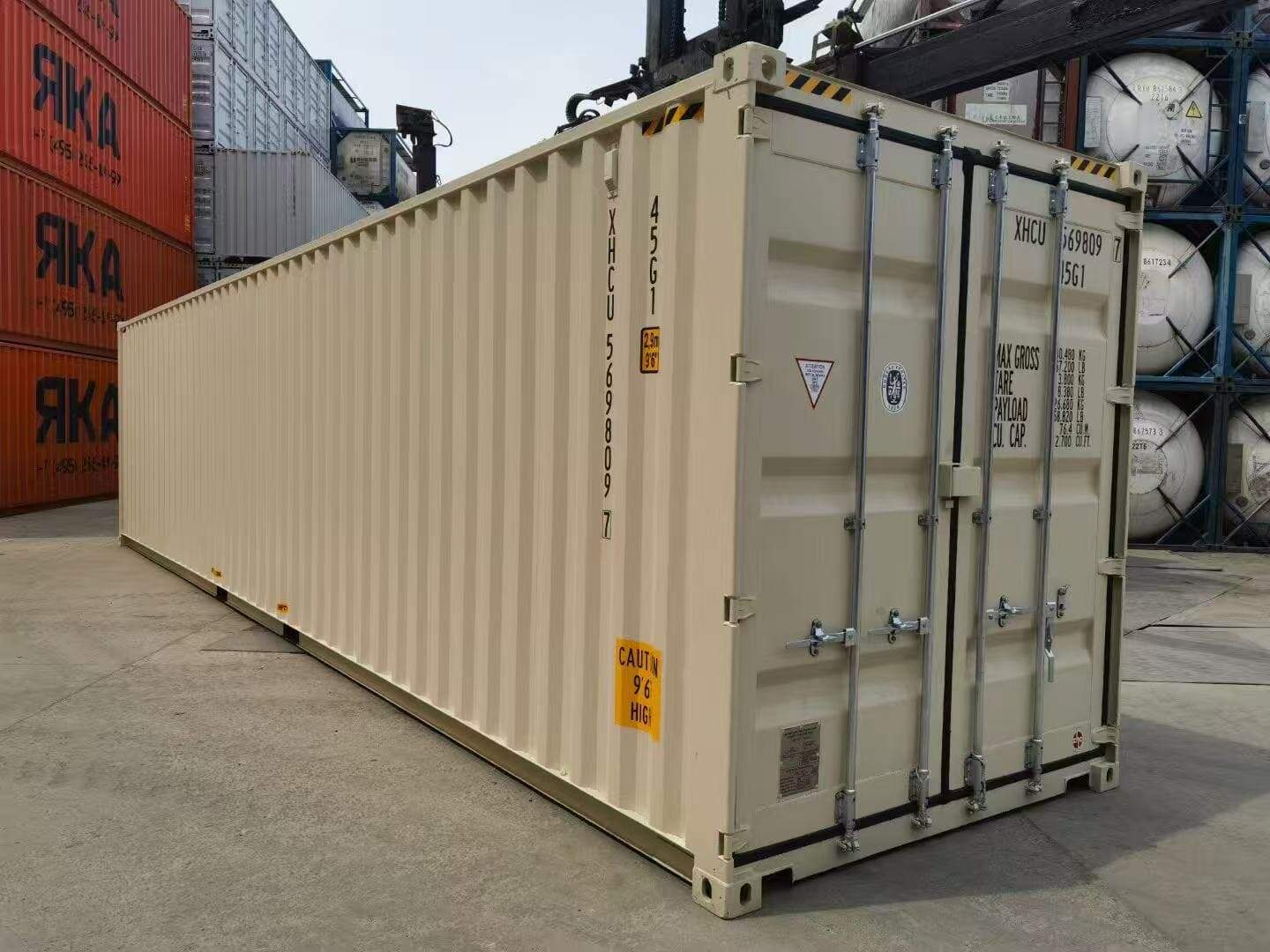
Seaworthiness Verification Table
| Step | Inspection Point | Standard | Outcome |
|---|---|---|---|
| 1 | Check CSC Plate Validity | According to ISO 1496 and CSC | Confirms global compliance |
| 2 | Inspect Structure | Straight corners, solid welds | Ensures handling strength |
| 3 | Water Test | No leaks under pressurized spray | Confirms watertightness |
| 4 | Surface Coating | Anti‑corrosive condition OK | Prevents salt damage |
| 5 | Functional Test | Doors open/lock properly | Guarantees daily operability |
When these are met, the container earns a seaworthy certificate and can be accepted by carriers worldwide.
Conclusion
At TRUSUS, I see every cargo‑worthy and seaworthy container as a stage in its lifecycle—from logistics asset to modular resource.
These standards redefine how we measure value in the shipping industry, connecting safety, longevity, and sustainable reuse within one global system.
