




What does 20GP mean in shipping?
Many shippers see “20GP” on quotes and booking forms but have no idea what it really means — and end up choosing the wrong container.
20GP means a 20-foot General Purpose container, the most common type, with about 33 cubic meters of internal space for heavy, compact cargo.
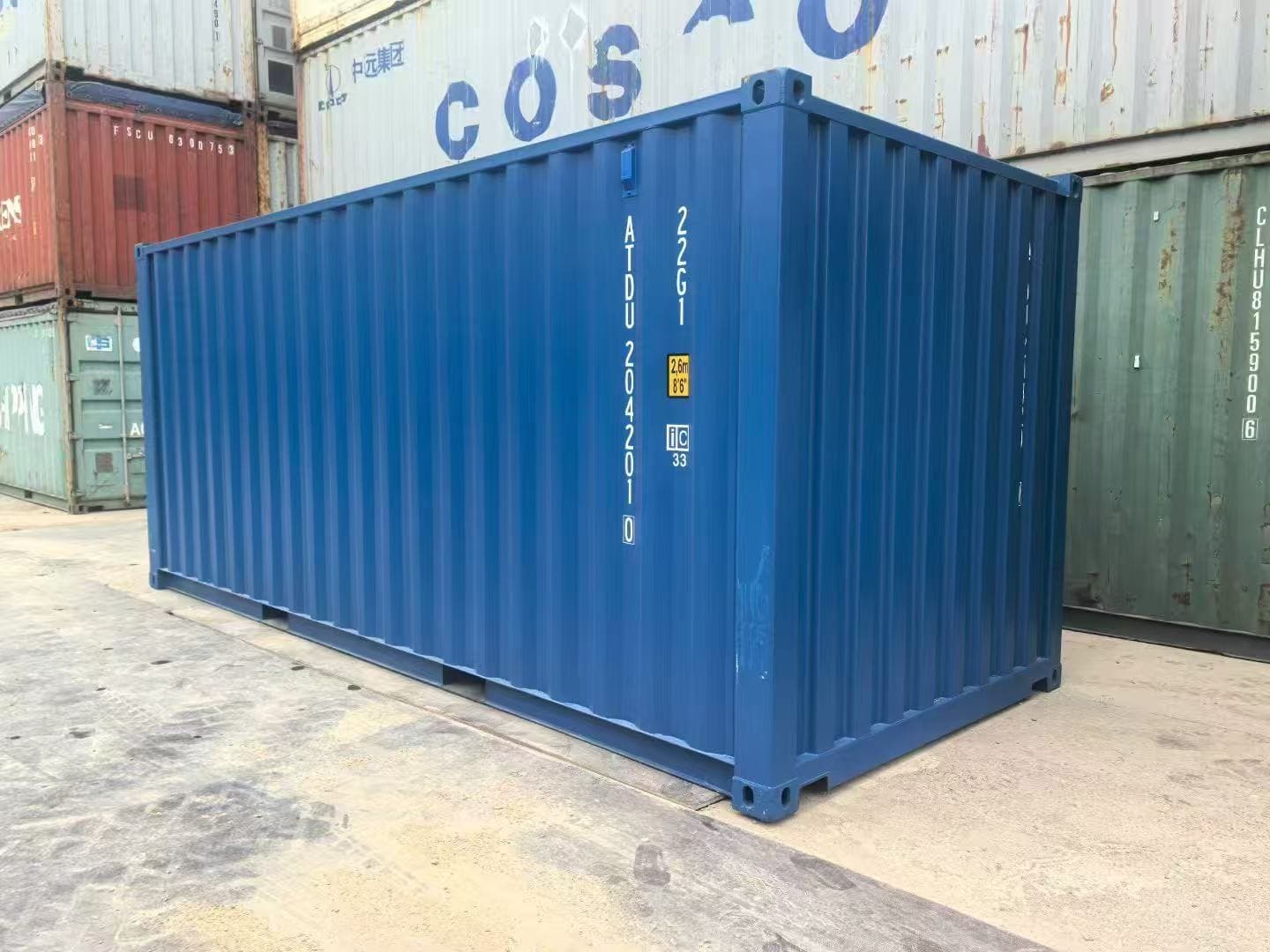
I have advised countless clients who learned the term only after making costly mistakes. GP stands for “General Purpose,” meaning it can carry almost any dry cargo that fits inside. It’s best for goods with high weight but low volume, such as machinery parts or dense raw materials. While it sounds simple, even the same type of 20GP container can vary hugely in price depending on whether it’s new or used, its condition, and market demand.
How much does a 20 GP container cost?
Prices for 20GPs are not fixed, and the range can surprise newcomers.
A new 20GP container costs around $2,500–$3,500, while a used one ranges from $1,200–$2,000 depending on global trade conditions and steel prices.
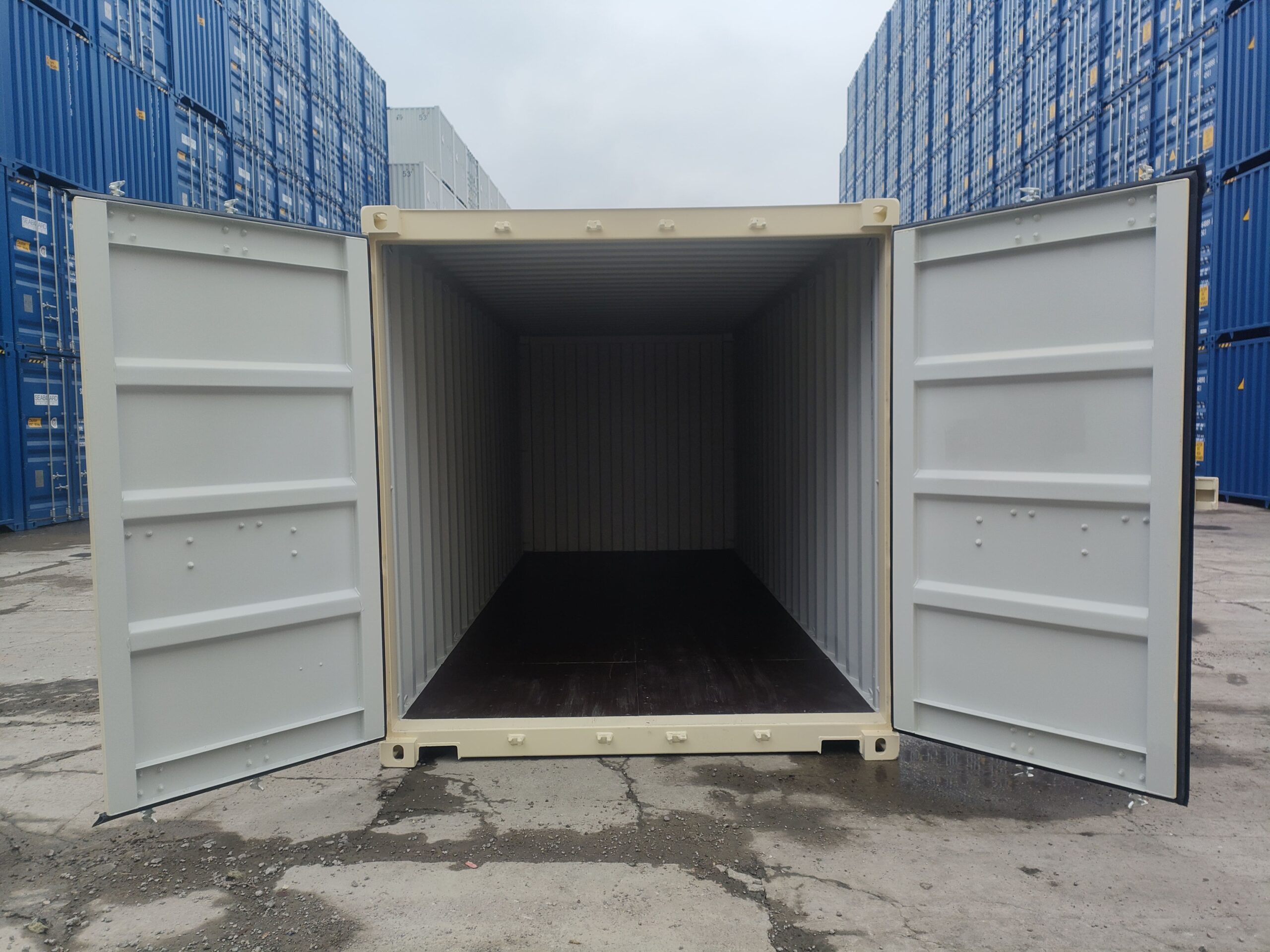
I have seen prices jump within weeks when steel costs rise or when container availability drops in certain regions. Seasonal trade surges — like pre-holiday exports — can also lift prices. Many first-time shippers mistakenly focus only on purchase cost. But in international shipping, the ongoing shipping rate for that container type can matter more than the container’s purchase price.
Factors affecting 20GP container prices
| Factor | Effect on Price | Notes |
|---|---|---|
| Condition | High impact | New vs. used vs. refurbished |
| Market demand | Fluctuates | Driven by trade patterns and shipping cycles |
| Material cost | Steel prices | Direct effect on manufacturing price |
| Location | Regional differences | Shortages can raise local price |
| Certification | CSC-certified units | Higher resale potential and sea-worthiness |
If you buy rather than rent, remember to account for storage, handling, and transport to your site in total cost.
What is the difference between 20GP and 40HC?
These two terms confuse many people because they sound like simple size differences — but that is not the whole story.
20GP is a standard 20-foot container, while 40HC is a 40-foot High Cube container, one foot taller for extra volume.
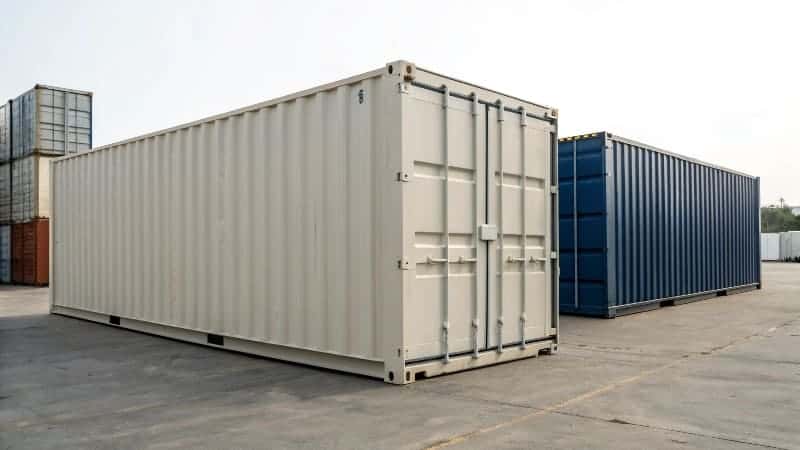
40HC units measure 40 feet in length and 9’6” in height (about 2.9 meters), giving about 76 cubic meters of space. This is slightly more than double the volume of a 20GP, despite many assuming “two 20s equal one 40.” In fact, the freight cost on major routes for a 40HC is often only 30%–50% higher than for a 20GP, not double. This makes 40HC a better deal for large but lighter cargo.
20GP vs 40HC comparison table
| Feature | 20GP | 40HC |
|---|---|---|
| Length | 20 ft | 40 ft |
| Height | 8’6” | 9’6” |
| Volume | ~33 cubic meters | ~76 cubic meters |
| Best for | Heavy, compact goods | Bulky, lighter goods |
| Cost efficiency | Shorter hauls, heavy loads | Large loads, reduced cost/unit |
| Common mistake | Assuming 2x 20GP = 1x 40GP in price | Rates differ per route |
I once helped a furniture exporter switch from 20GP to 40HC. The change allowed them to load 45 sofa sets instead of 25, cutting the unit freight cost by 40% and saving over $100,000 a year.
What is a 20HD container?
Even some freight professionals are unclear on the exact use of 20HD.
20HD stands for 20-foot Heavy Duty container, built for very heavy cargo like stone, steel, or dense machinery, with higher floor strength than a 20GP.
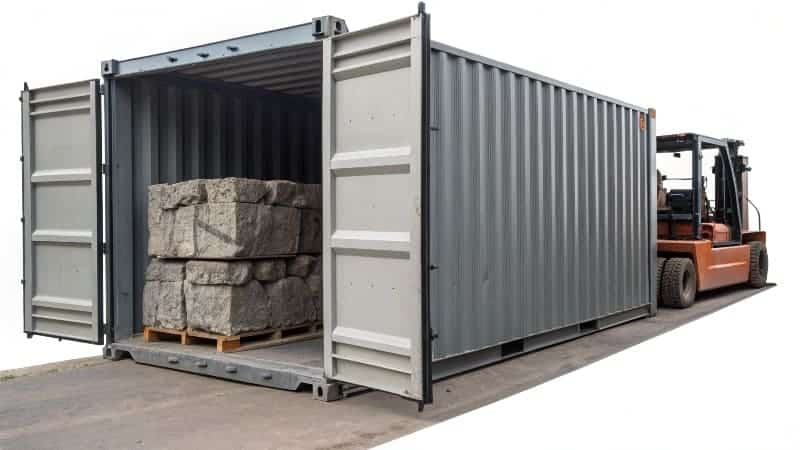
This model can legally and safely carry weights above the limits of a standard GP unit, often over 24 tonnes per container. The trade-off is that internal volume may be slightly smaller due to reinforced flooring and thicker walls. I recall a case where a client needed to ship high-density machinery parts weighing close to 28 tonnes. The standard 20GP had enough volume but not enough weight capacity. Switching to 20HD avoided overload fines and serious cargo damage risk.
20HD vs 20GP differences
| Feature | 20GP | 20HD |
|---|---|---|
| Strength | Standard | Reinforced floor and structure |
| Max cargo weight | ~24 tonnes | ~28 tonnes |
| Volume | ~33 cubic meters | Slightly less due to reinforcements |
| Best for | General heavy cargo | Very heavy, high-density cargo |
| Risk avoided | Overload penalties | Cargo damage, legal issues |
Choosing 20HD costs more upfront, but protects you from much larger potential losses.
Conclusion
Choosing the right container type — 20GP, 40HC, or 20HD — can save far more than haggling on freight rates, by matching capacity and strength to your cargo needs.
