




What Do You Need to Do Before Your Container Arrives?
Before your container arrives, you must prepare a stable, level site with proper drainage and access for delivery vehicles. The goal is to ensure safe placement, long-term stability, and protection against moisture damage.
insight: the container’s value begins before arrival—preparation defines performance.
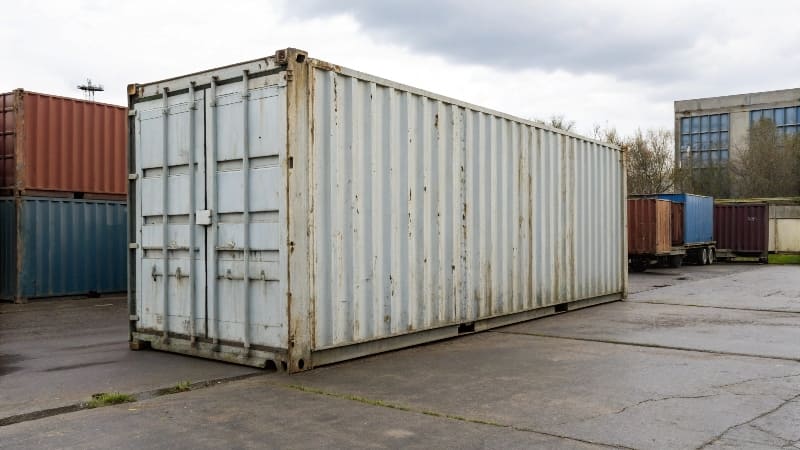
Without preparation, even the best container can suffer alignment, corrosion, or access issues. Ground planning turns a metal box into a usable structure.
How to Prepare a Site for a Shipping Container?
Prepare a level foundation with good drainage, solid ground, and enough space for trucks and cranes. Use gravel, concrete pads, or steel supports to keep the container elevated and dry.
setup insight: the strongest foundation is one that breathes and drains.
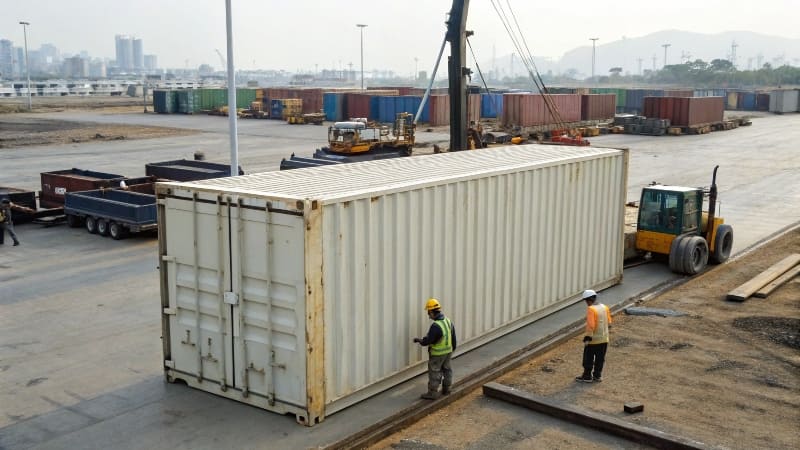
Container Site Preparation Table
| Step | Task | Purpose |
|---|---|---|
| 1 | Clear and level ground | Ensure stability |
| 2 | Add compacted gravel or pads | Distribute weight |
| 3 | Check elevation | Prevent water pooling |
| 4 | Plan access routes | Simplify delivery and placement |
| 5 | Use concrete blocks or beams | Create ventilation and reduce corrosion |
Site Planning Checklist
| Element | Importance | Action |
|---|---|---|
| Drainage | Prevent floor rust | Slope ground 2% away from structure |
| Airflow | Avoid condensation | Leave space below base |
| Accessibility | Crane movement | Maintain turning radius |
| Ground load | Prevent sinking | Compact soil well before arrival |
Preparation is not a cost—it’s a form of insurance for the container’s long life.
What Are the Steps of Container Shipping?
Container shipping involves several coordinated stages: booking, loading, customs clearance, transportation, arrival, and on-site delivery. Each step is designed to maintain traceability, security, and timing precision from shipper to user.
logistics insight: every movement is a chain of trust between factory and field.
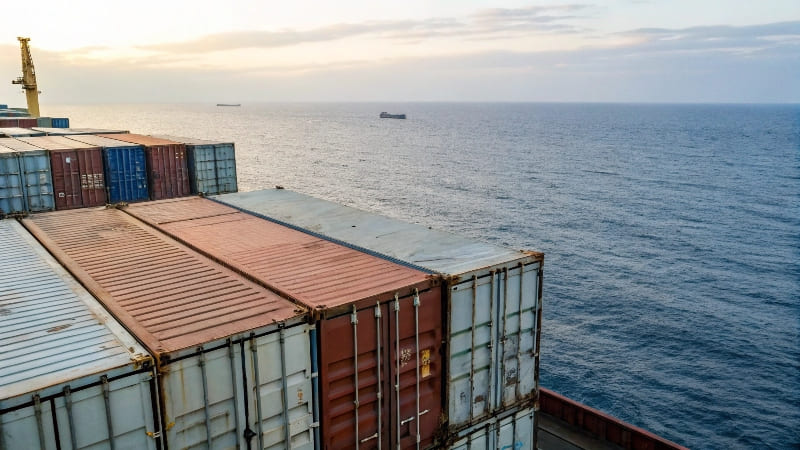
Container Shipping Steps
| Stage | Process | Key Task |
|---|---|---|
| 1 | Booking | Secure space on carrier |
| 2 | Stuffing and sealing | Load cargo, record seal number |
| 3 | Export customs | Verify documents and declaration |
| 4 | Ocean transit | Tracking updates via shipping line |
| 5 | Arrival port | Unload and clear customs |
| 6 | Land delivery | Dispatch by truck or rail |
| 7 | Site receiving | Inspect and place container |
Why Process Discipline Matters
| Risk Point | Effect | Control Method |
|---|---|---|
| Incomplete documentation | Delayed release | Pre-check paperwork |
| Poor lashing | Cargo shift | Follow weight guidelines |
| Rough handling | Structural damage | Use certified haulers |
A well-managed shipping chain protects the container’s physical structure and financial value alike.
What Is the Process of Container Receiving?
The container receiving process includes offloading, inspection, leveling, and documentation. Upon arrival, it’s checked for structural condition, verified by seal number, and positioned correctly on its foundation.
receiving insight: delivery is not the end—it’s quality validation in motion.
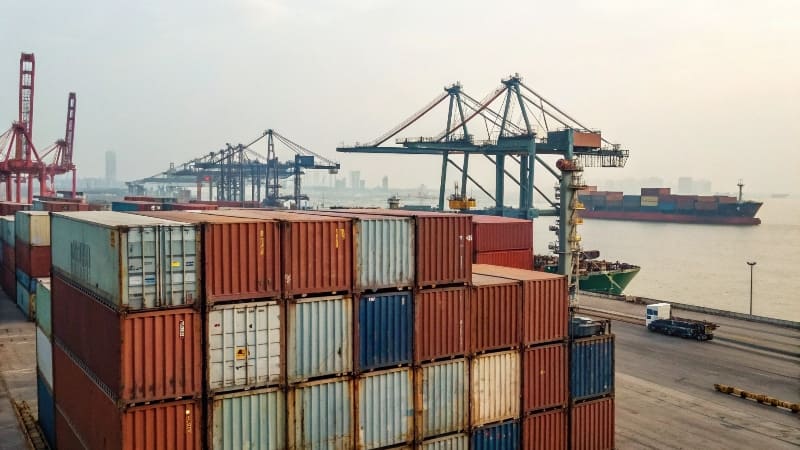
Container Receiving Checklist
| Step | Description | Result |
|---|---|---|
| 1 | Verify identification numbers | Confirm order accuracy |
| 2 | Visual inspection | Check for dents or corrosion |
| 3 | Confirm base level | Adjust with blocks if uneven |
| 4 | Ventilate and clean | Remove shipping residues |
| 5 | Record acceptance | Sign receipt for handover |
Key Environmental Adjustments
| Condition | Action |
|---|---|
| High humidity | Add vents or desiccants |
| Soft soil | Build reinforced base |
| Steep terrain | Use stepped foundation |
| Remote area | Plan maintenance route |
A systematic receiving process ensures that every box becomes a ready-to-use, long-lived space asset—not just an imported structure.
Conclusion
Proper preparation, precise shipping coordination, and careful receiving define a container’s long-term value. TRUSUS believes a container’s arrival isn’t an end but the beginning of value creation through stability, readiness, and intelligent site integration.
