




What Do I Need to Know Before Building a Shipping Container Home?
Many assume container home construction simply involves buying containers and basic modifications, but comprehensive planning is essential. Container home preparation involves legal requirements, structural engineering, site preparation, and system integration that require careful coordination and professional guidance for successful project completion.
Before building a shipping container home, understand local zoning laws and building codes, hire structural engineers for modifications, plan utilities integration, budget for insulation and weatherproofing, obtain proper permits, and consider site preparation requirements including foundation design and access for delivery and construction phases.
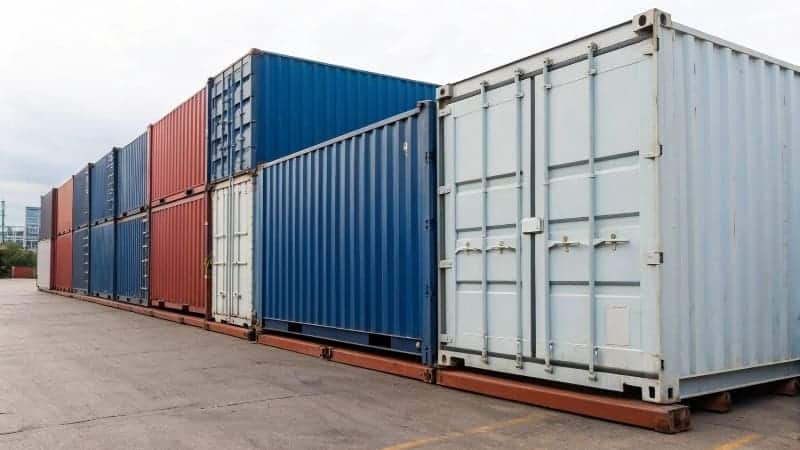
Through years of container sales and construction consulting, I learned that successful container home projects require systematic planning addressing legal compliance, structural integrity, and livability systems while avoiding common mistakes that lead to cost overruns, safety issues, or regulatory problems during construction and occupancy phases.
Do I Need an Engineer for a Shipping Container Home?
Understanding engineering requirements helps ensure container home safety and compliance. Container home engineering involves structural analysis, modification planning, and building code compliance that require professional expertise for safe construction while meeting regulatory requirements and insurance standards.
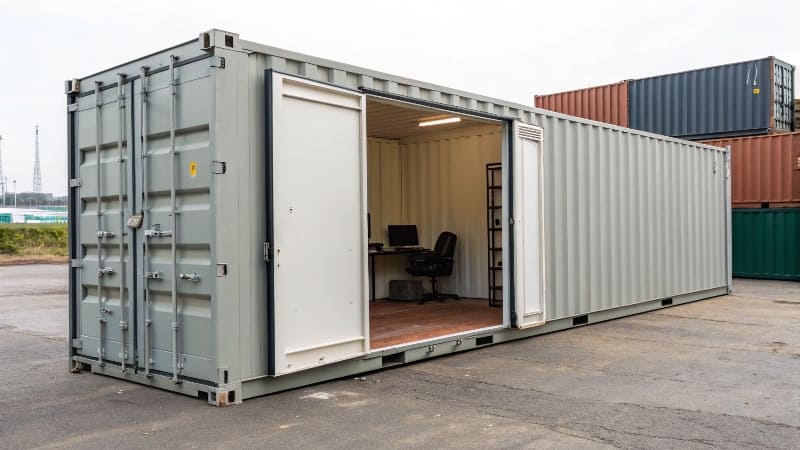
You absolutely need an engineer for a shipping container home to ensure structural integrity during modifications, calculate load-bearing requirements, design foundation systems, plan utility integration, ensure building code compliance, and provide stamped drawings for permit approval, making engineering consultation essential for safety and legal compliance.
Comprehensive Engineering Analysis and Professional Requirements
Container home engineering represents a critical component ensuring safety, compliance, and long-term performance while addressing unique challenges of converting cargo containers into habitable structures. During my experience working with container home projects and engineering coordination, I learned that professional engineering prevents costly mistakes while ensuring regulatory compliance and structural safety.
Structural modifications require engineering analysis for wall openings, door/window installations, and load path alterations that affect container integrity while ensuring modifications don't compromise structural performance under residential loads.
Foundation design needs engineering calculations for soil conditions, load distribution, and settling prevention that ensure stable support while accommodating container dimensions and local building requirements.
Load calculations include dead loads, live loads, wind loads, and seismic forces that affect container performance in residential applications while ensuring adequate safety margins for occupant protection.
Building code compliance requires engineering documentation demonstrating conformance with residential building standards including structural, fire, electrical, and plumbing codes specific to container construction.
Permit applications typically require engineer-stamped drawings and calculations for building department approval while providing legal protection for homeowners and contractors during construction and occupancy.
Utility integration involves engineering analysis for electrical systems, plumbing penetrations, and HVAC installations that maintain structural integrity while accommodating residential comfort systems.
Insulation systems require engineering consideration for thermal bridging, condensation control, and structural compatibility that ensure energy efficiency without compromising structural performance.
Professional liability includes engineer responsibility for design adequacy and code compliance while providing insurance coverage and legal protection for project stakeholders.
Cost considerations show engineering fees representing 5-10% of total project costs while preventing expensive corrections and ensuring regulatory compliance that protects investment value.
Quality assurance includes construction oversight and inspection services that ensure proper implementation of engineering designs while maintaining safety standards throughout construction phases.
| Engineering Aspect | Professional Requirements | Safety Importance | Cost Impact |
|---|---|---|---|
| Structural Analysis | Licensed engineer required | Critical safety factor | $3,000-8,000 |
| Load calculations | Residential code compliance | Occupant protection | Essential investment |
| Modification design | Structural integrity | Building performance | Professional necessity |
| Foundation Design | Geotechnical consideration | Stability assurance | $2,000-5,000 |
| Soil analysis | Site-specific requirements | Settlement prevention | Foundation success |
| Load distribution | Container support | Structural adequacy | Performance guarantee |
| Code Compliance | Building department approval | Legal requirements | $1,500-4,000 |
| Permit drawings | Stamped documentation | Regulatory compliance | Project authorization |
| Inspection oversight | Construction verification | Quality assurance | Safety confirmation |
| Utility Integration | System coordination | Safety/performance | $2,500-6,000 |
| Electrical design | Code compliance | Fire safety | Professional installation |
| Plumbing systems | Structural penetrations | Water protection | Integrity maintenance |
| Quality Control | Professional oversight | Construction accuracy | $1,000-3,000 |
| Construction review | Implementation verification | Design compliance | Performance assurance |
| Final inspection | Completion certification | Occupancy approval | Project completion |
Do You Pay Taxes on Container Homes?
Understanding container home taxation helps budget planning and legal compliance. Container home taxes involve property assessment, local regulations, and classification systems that affect tax obligations while varying significantly by jurisdiction and property type requiring consultation with local tax authorities.
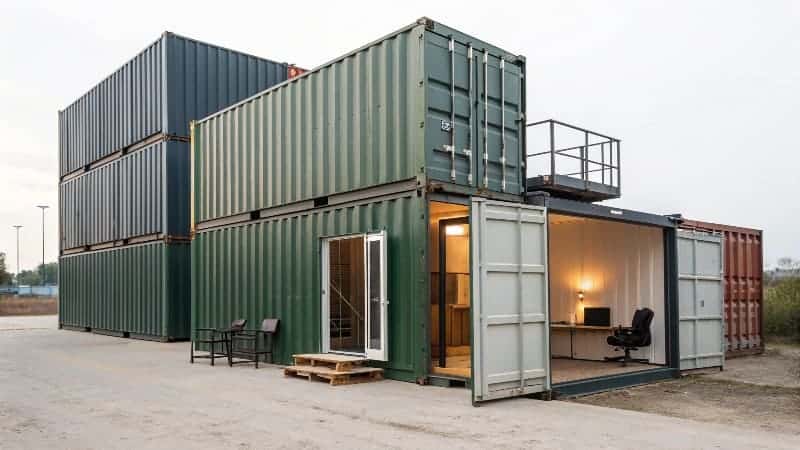
Container homes are generally subject to property taxes like traditional homes when permanently installed on owned land, though tax assessment varies by location with some jurisdictions treating them as personal property while others assess them as real estate, requiring consultation with local tax assessors for specific obligations.
Detailed Container Home Taxation Analysis and Legal Considerations
Container home taxation involves complex considerations varying by jurisdiction, property classification, and installation type that require understanding local regulations and assessment practices. During my experience working with container home projects and regulatory compliance, I learned that tax obligations depend on multiple factors including property type, installation method, and local government classification systems.
Property classification determines tax treatment with permanently installed container homes on owned land typically assessed as real property subject to standard property taxes while temporary installations may receive different treatment.
Assessment methodology varies by jurisdiction with some areas using comparable sales approaches while others apply cost-based assessments that consider container costs, modification expenses, and land value separately.
Real estate versus personal property classification affects tax rates and obligations with real property receiving standard homestead exemptions while personal property may face different tax structures and exemption eligibility.
Permanent installation factors include foundation type, utility connections, and modification extent that influence property classification while temporary or moveable installations may receive different tax treatment.
Land ownership affects taxation with container homes on owned property typically subject to combined land and improvement taxes while installations on leased land may have different tax obligations for property owners and tenants.
Local regulations show significant variation between municipalities with some areas specifically addressing container homes while others apply existing property tax frameworks to these alternative construction methods.
Homestead exemptions may apply to container homes meeting residency requirements while providing tax relief similar to traditional homes when classified as primary residences.
Assessment appeals allow property owners to contest tax valuations through formal processes when assessments appear excessive or inconsistent with comparable properties.
Tax planning considerations include timing of construction completion, property classification optimization, and exemption qualification that can affect overall tax obligations and project economics.
Professional consultation with tax assessors, attorneys, and accountants helps ensure compliance while optimizing tax treatment through proper property classification and exemption utilization.
| Tax Consideration | Typical Treatment | Jurisdiction Variations | Planning Strategy |
|---|---|---|---|
| Property Classification | Real estate when permanent | Local regulation dependent | Professional consultation |
| Permanent installation | Standard property tax | Assessment methodology varies | Documentation importance |
| Temporary placement | Personal property potential | Classification differences | Installation planning |
| Assessment Methods | Comparable sales/cost approach | Local assessor practices | Valuation understanding |
| Improvement value | Container plus modifications | Construction cost consideration | Record keeping |
| Land value | Separate assessment | Location-based factors | Market analysis |
| Exemption Eligibility | Homestead potential | Residency requirements | Primary residence planning |
| Primary residence | Standard exemptions | Qualification criteria | Documentation needs |
| Investment property | Commercial rates | Rental classification | Usage consideration |
| Compliance Requirements | Standard property tax | Filing obligations | Professional guidance |
| Assessment appeals | Formal process available | Deadline requirements | Valuation review |
| Payment schedules | Municipal requirements | Local tax calendar | Budget planning |
Do Container Homes Rust Easily?
Understanding container home rust prevention helps ensure long-term durability and maintenance planning. Container home corrosion involves environmental factors, protective measures, and maintenance practices that affect structural integrity while requiring proper treatment and ongoing care for optimal performance.
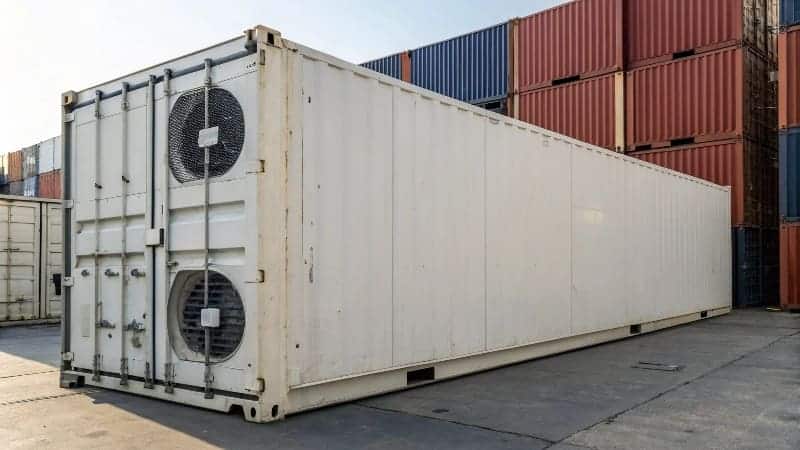
Container homes don't rust easily when properly treated and maintained, as shipping containers use Corten weathering steel designed for marine environments, but rust prevention requires proper insulation installation, moisture control, regular maintenance, and protective coatings to ensure long-term durability in residential applications.
Comprehensive Rust Prevention Analysis and Maintenance Planning
Container home rust prevention requires understanding steel properties, environmental factors, and protective systems that ensure long-term structural integrity in residential applications. During my experience working with container durability and maintenance consulting, I learned that proper rust prevention involves systematic approaches addressing moisture control, protective coatings, and regular maintenance while understanding that containers were originally designed for harsh marine environments.
Corten steel properties include natural weathering resistance and protective patina formation that provides inherent corrosion protection while requiring proper moisture management for optimal performance in residential applications.
Environmental factors affect rust development including humidity levels, temperature variations, and exposure conditions that influence corrosion rates while coastal environments present greater challenges requiring enhanced protection measures.
Moisture control represents the primary rust prevention strategy through proper insulation installation, vapor barriers, and ventilation systems that prevent condensation formation on steel surfaces.
Protective coatings include factory-applied systems and field-applied treatments that provide barrier protection against environmental exposure while requiring periodic renewal for continued effectiveness.
Insulation installation affects rust prevention through thermal bridging elimination and condensation control that prevents moisture accumulation on steel surfaces while ensuring proper vapor barrier placement.
Ventilation design prevents moisture buildup through air circulation systems that control humidity levels while preventing condensation formation in wall cavities and structural spaces.
Maintenance practices include regular inspection, cleaning, and coating renewal that preserve protective systems while identifying potential problems before significant rust development occurs.
Problem identification involves understanding rust indicators, structural assessment, and repair prioritization that enable timely intervention while preventing minor issues from becoming major problems.
Repair procedures include rust removal, surface preparation, and coating application that restore protective systems while ensuring long-term performance and structural integrity.
Cost considerations balance prevention investment with repair expenses while demonstrating that preventive maintenance provides significant cost advantages over corrective repairs.
| Rust Prevention Method | Effectiveness Level | Maintenance Requirements | Cost Investment |
|---|---|---|---|
| Proper Insulation | Highly effective | Periodic inspection | $3,000-8,000 |
| Vapor barrier installation | Moisture control | Visual monitoring | Critical protection |
| Thermal bridging elimination | Condensation prevention | System maintenance | Performance assurance |
| Protective Coatings | Very effective | 5-10 year renewal | $2,000-5,000 |
| Factory applied systems | Initial protection | Condition assessment | Baseline defense |
| Field applied treatments | Enhanced protection | Regular inspection | Extended life |
| Ventilation Systems | Moderately effective | Regular cleaning | $1,500-4,000 |
| Natural ventilation | Basic air movement | Obstruction removal | Simple maintenance |
| Mechanical systems | Controlled environment | Equipment service | Active protection |
| Regular Maintenance | Prevention multiplier | Ongoing commitment | $500-1,500 annually |
| Inspection programs | Early problem detection | Scheduled assessment | Cost-effective approach |
| Cleaning procedures | Surface protection | Regular attention | Preventive investment |
| Environmental Control | Site-specific effectiveness | Climate adaptation | Variable investment |
| Drainage management | Water control | System maintenance | Foundation protection |
| Landscaping design | Microclimate modification | Plant maintenance | Natural protection |
Conclusion
Building shipping container homes requires understanding zoning laws, engineering requirements, permit processes, and utility planning while professional structural engineering is essential for safety and code compliance, container homes are generally subject to property taxes when permanently installed though treatment varies by jurisdiction, and rust prevention is achievable through proper moisture control, protective coatings, and regular maintenance of the naturally corrosion-resistant Corten steel construction.
