




What are the three main types of containers?
The wrong type of container can increase costs, waste space, and delay shipments. Many buyers only focus on price without matching the container to their real needs.
The three main types of containers are Dry Containers, Reefer Containers, and Special Containers. Each is designed for different cargo needs, from general goods to temperature-sensitive or oversized items.
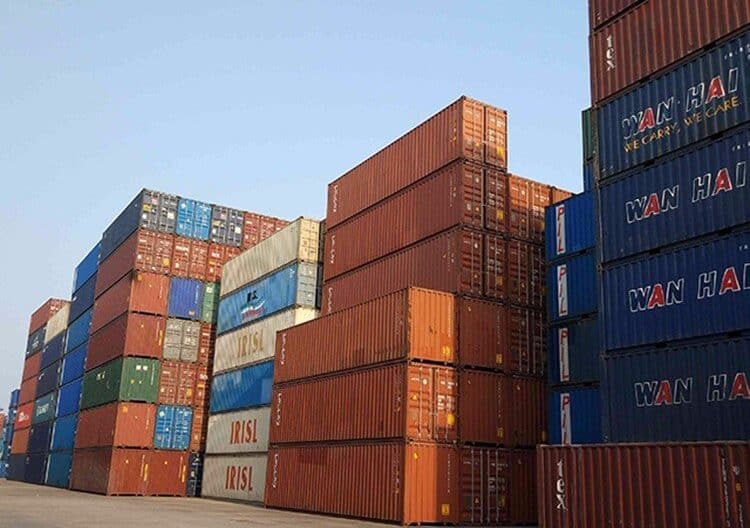
A container should fit your cargo, not just your budget. I have seen many buyers purchase a standard box because it is cheaper, only to pay more later in inefficiency. When I guide clients, I always start with understanding their cargo type, frequency, and handling requirements. This is the only way to match them with the right container from day one.
What is the most common shipping container?
A wrong guess about the most popular container can lead to overpaying for space you do not need. Many clients assume bigger is always better.
The 20ft Standard Dry Container is the most common shipping container worldwide. It fits most general cargo and is easy to handle for short- and long-distance shipping.
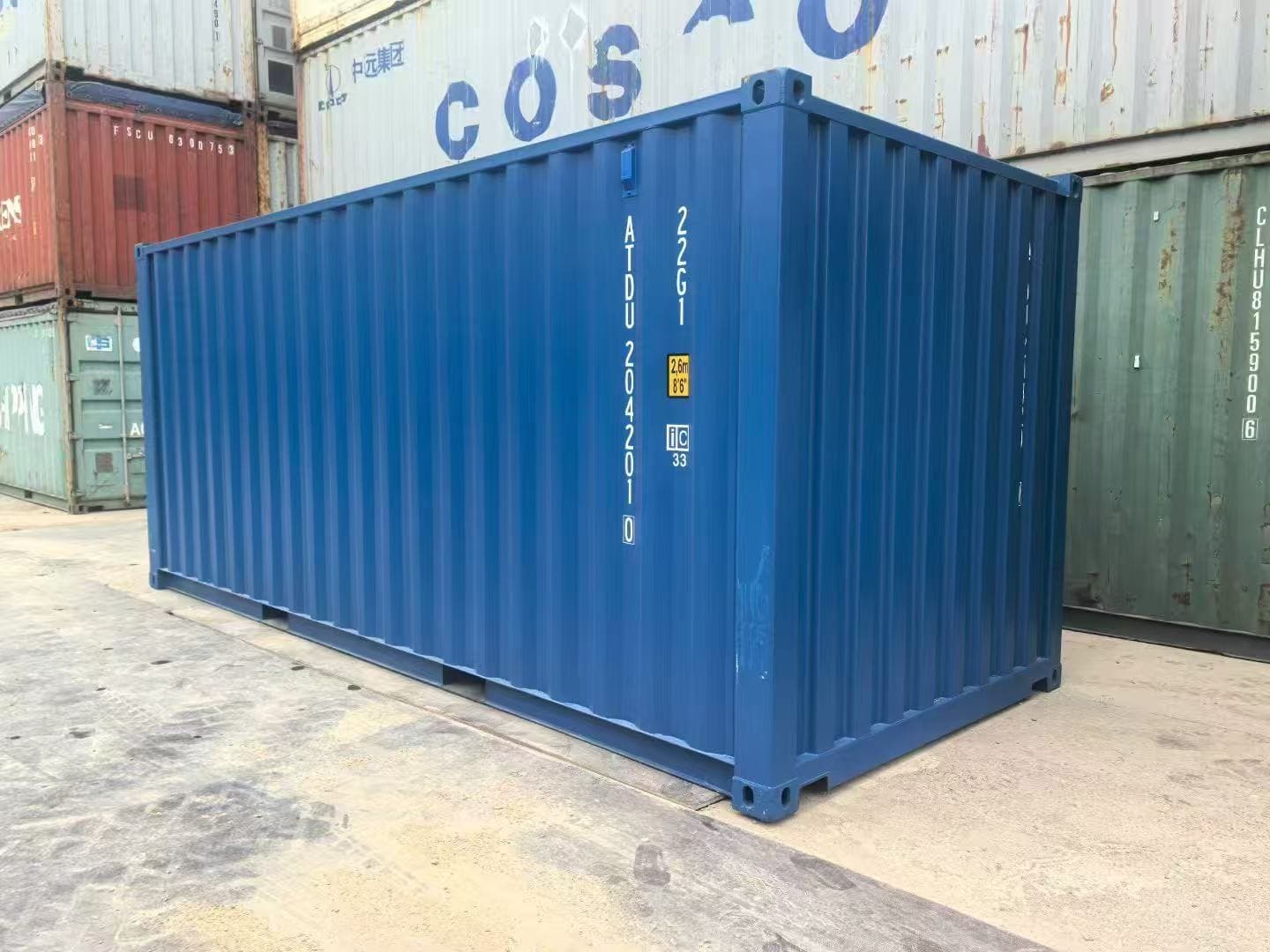
The 20ft Dry Container has long been a favorite in global trade because it balances size, weight capacity, and cost. However, in my own sales work, I’ve seen this box misused. One client insisted on using only 20ft containers, thinking it gave more flexibility. After we analyzed their cargo—lightweight electronics in large volumes—we switched part of their fleet to 40ft High Cubes. This extra height allowed more cargo per trip, reducing cost per unit. That case taught them and me that the “most common” does not mean “most suitable.”
Common Container Dimensions
| Container Type | Length (ft) | Width (ft) | Height (ft) |
|---|---|---|---|
| 20ft Standard Dry | 20 | 8 | 8.6 |
| 40ft Standard Dry | 40 | 8 | 8.6 |
| 40ft High Cube | 40 | 8 | 9.6 |
What are the three basic types of shipments?
Many businesses choose a container without thinking about shipment type. This can waste both capacity and money.
The three basic types of shipments are Full Container Load (FCL), Less than Container Load (LCL), and Bulk Cargo. Each has specific handling and cost factors.
Choosing the right shipment type is critical. With FCL, you pay for the entire container, even if not full. LCL combines goods from different shippers to fill a container. Bulk is for unpackaged goods like grain or minerals. In my experience, many small companies start with LCL to save money, but when volumes grow, switching to FCL quickly cuts unit costs. On the other hand, heavy raw materials in bulk bypass containers altogether. Identifying your core shipment type is the first step before choosing between container sizes.
Shipment Types Overview
| Shipment Type | Description | Best For |
|---|---|---|
| FCL | One shipper uses the whole container | Large, uniform shipments |
| LCL | Multiple shippers share a container | Smaller, mixed shipments |
| Bulk | Goods move unpackaged in holds or tanks | Commodities like grain, ore, liquids |
What is a 40ft container called?
Knowing industry terms can help you discuss needs clearly with shippers and suppliers.
A 40ft container is usually called a 40ft Standard or 40ft High Cube, with the High Cube being one foot taller for extra volume.
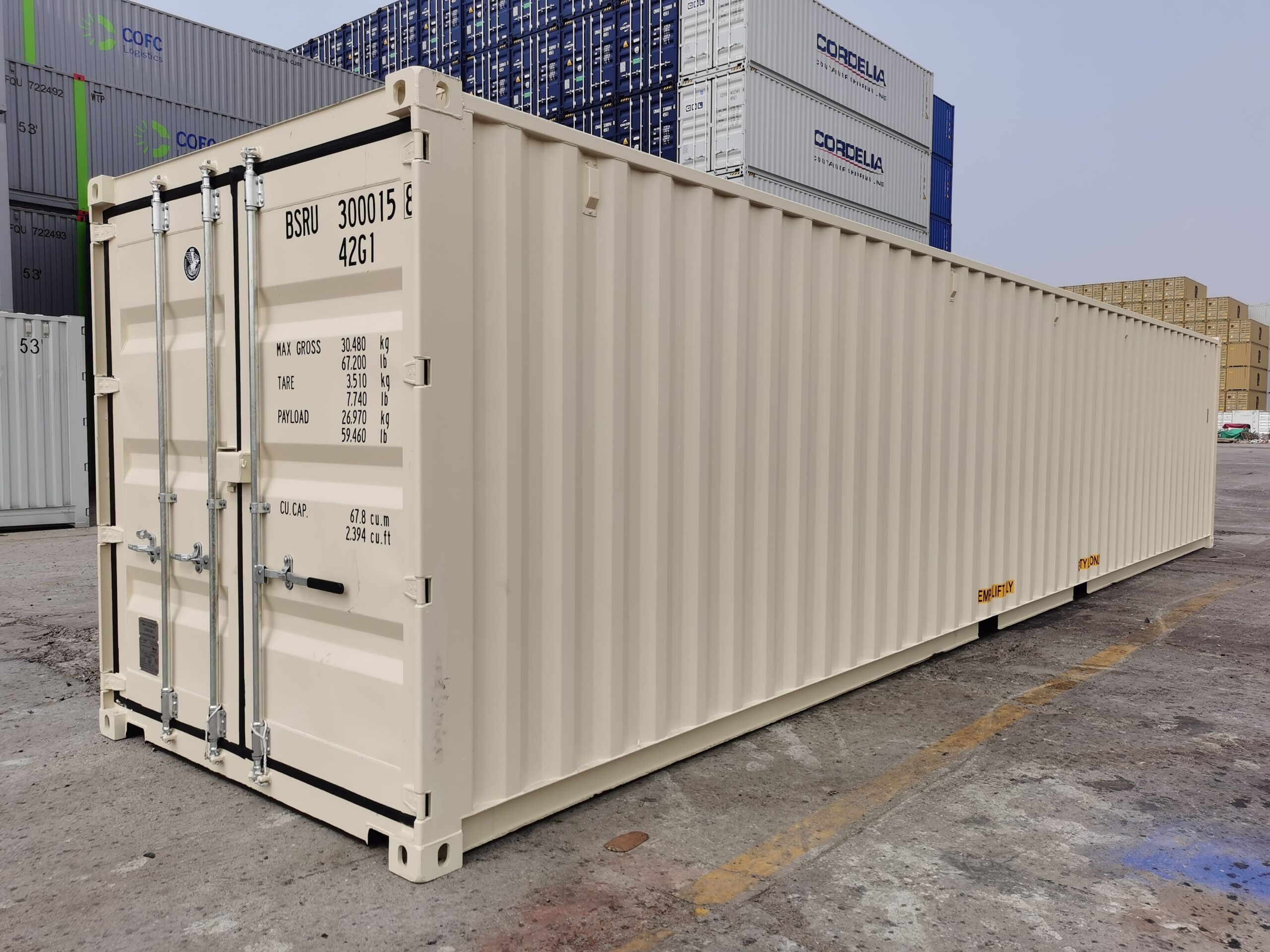
The 40ft Standard and 40ft High Cube are not interchangeable. I use High Cubes for clients with light but bulky goods like furniture or electronics. That extra one foot in height adds around 12% more cargo volume without needing another trip. For heavy cargo like machinery, the standard 40ft works better, as it supports higher weight without exceeding road and port limits. Matching the right model to the cargo is one of the simplest ways to improve efficiency without major cost.
40ft Container Specifications
| Type | Length (ft) | Width (ft) | Height (ft) | Volume (m³) |
|---|---|---|---|---|
| 40ft Standard | 40 | 8 | 8.6 | ~67 |
| 40ft High Cube | 40 | 8 | 9.6 | ~76 |
Conclusion
Choosing the right container type, shipment type, and size is not just about cost—it is about matching your cargo to the right solution for efficiency and growth.
