




What Are the Pros and Cons of Shipping Containers?
Many view shipping containers through simple storage perspectives, but containers involve complex advantages and disadvantages across multiple applications. Container evaluation requires understanding transportation efficiency, structural benefits, limitations, and application-specific considerations that affect overall value and suitability.
Shipping containers offer standardization, durability, security, and versatility advantages while presenting size limitations, modification challenges, insulation issues, and regulatory restrictions that affect their suitability for different applications requiring careful evaluation of specific needs and constraints.
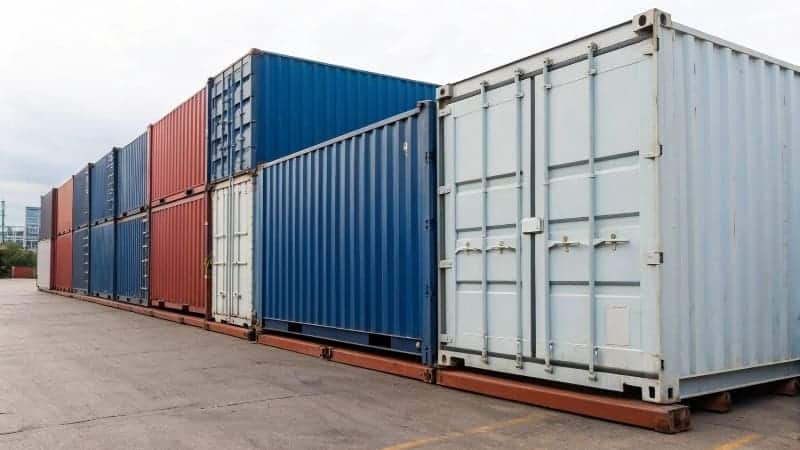
Through years of container sales and application consulting, I learned that container advantages and disadvantages vary significantly by application context, with successful projects requiring honest assessment of both benefits and limitations to optimize outcomes while avoiding common misconceptions about container capabilities.
Why Do Shipping Containers Only Last 25 Years?
Understanding container lifespan helps optimize asset management and application planning. Container service life involves maritime regulations, structural integrity, maintenance requirements, and economic factors that determine operational lifecycle beyond simple material durability considerations.
Shipping containers last approximately 25 years in maritime service due to regulatory requirements, structural fatigue, corrosion accumulation, and economic considerations, though containers often continue serving effectively in land-based applications for decades after maritime retirement with proper maintenance and care.
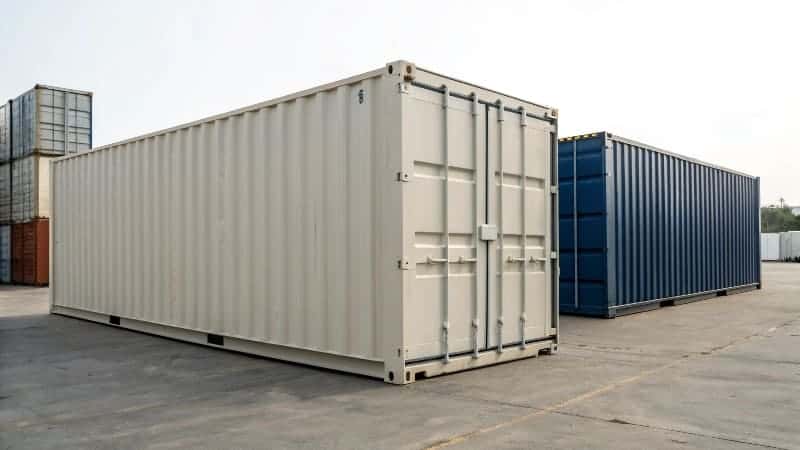
Comprehensive Container Lifecycle Analysis and Service Life Factors
Container service life involves regulatory, structural, and economic factors that determine operational lifespan in maritime applications while creating opportunities for extended service in land-based uses. During my experience working with container lifecycle management and retirement planning, I learned that understanding service life factors helps optimize asset utilization while planning for container transitions between applications.
Maritime regulations establish safety standards for containers in ocean transport including structural integrity requirements, weatherproofing specifications, and certification procedures that ensure safe cargo handling. Regulatory compliance drives retirement timelines regardless of actual condition.
International Standards Organization (ISO) specifications define container construction and performance requirements that establish baseline durability while maritime classification societies verify ongoing seaworthiness through inspection programs. Standards compliance affects service life determination.
Structural fatigue accumulates through repeated loading, stacking, crane handling, and transport stresses that gradually weaken container frames and reduce load-bearing capacity. Fatigue damage progresses predictably while affecting structural reliability.
Corrosion effects develop through salt water exposure, atmospheric moisture, and cargo-related chemicals that degrade steel components over time. Corrosion protection systems require maintenance while eventual deterioration affects structural integrity.
Economic factors include maintenance costs, insurance requirements, and replacement economics that influence retirement decisions independent of actual structural condition. Economic optimization drives fleet management while affecting individual container lifecycles.
Inspection requirements mandate regular structural assessments including corner casting integrity, floor condition, door functionality, and weatherproofing effectiveness that determine continued maritime certification. Inspection results directly affect service life continuation.
Second-life applications extend container utility beyond maritime retirement through conversion to storage, construction, and specialty uses that utilize remaining structural capacity. Land-based applications often provide decades of additional service life.
Maintenance programs can extend maritime service life through preventive care, protective coatings, and timely repairs that address deterioration before critical thresholds. Proactive maintenance optimizes lifecycle economics while ensuring safety compliance.
Retirement criteria include structural damage, excessive corrosion, regulatory non-compliance, and economic obsolescence that trigger removal from maritime service. Multiple factors influence retirement timing while creating opportunities for alternative applications.
Asset management strategies optimize container lifecycles through maintenance planning, application transitions, and disposal timing that maximize asset value while ensuring safety compliance. Strategic management enhances overall fleet economics.
| Service Life Factor | Impact on Lifespan | Management Strategy | Extended Use Potential |
|---|---|---|---|
| Regulatory Requirements | Mandatory retirement | Compliance monitoring | Land-based exemptions |
| Maritime certification | 20-25 year cycles | Regular inspections | Continued structural use |
| Safety standards | Non-negotiable limits | Proactive maintenance | Alternative applications |
| Structural Integrity | Progressive deterioration | Preventive maintenance | Condition-based assessment |
| Fatigue accumulation | Predictable degradation | Load management | Reduced-duty applications |
| Corner casting wear | Critical failure points | Regular inspection | Repair/reinforcement options |
| Corrosion Effects | Environmental degradation | Protective systems | Climate-dependent variation |
| Salt water exposure | Accelerated deterioration | Coating maintenance | Inland service extension |
| Atmospheric conditions | Variable impact | Environmental protection | Location-specific planning |
| Economic Considerations | Cost-benefit analysis | Fleet optimization | Value recovery strategies |
| Maintenance costs | Rising expenses | Lifecycle planning | Conversion opportunities |
| Replacement timing | Economic optimization | Strategic planning | Secondary market value |
| Second-Life Potential | Extended utility | Application transition | Value preservation |
| Storage applications | Decades additional use | Condition assessment | Cost-effective solutions |
| Construction uses | Structural applications | Engineering evaluation | Creative adaptations |
What Cannot Be Stored in a Shipping Container?
Understanding container storage restrictions ensures safety compliance and optimal application. Container storage limitations involve regulatory restrictions, safety considerations, environmental factors, and practical constraints that affect cargo suitability and storage planning.
Items that cannot be stored in shipping containers include hazardous materials requiring special permits, living organisms, temperature-sensitive goods without climate control, oversized items exceeding dimensions, and materials requiring specific environmental conditions not achievable in standard containers.
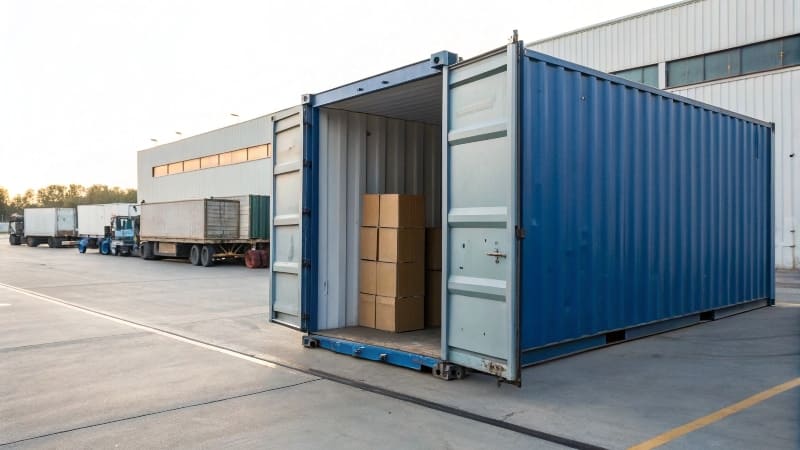
Detailed Container Storage Restriction Analysis and Compliance Guidelines
Container storage restrictions encompass safety, regulatory, and practical limitations that affect cargo suitability while ensuring safe operations and legal compliance. During my experience working with container loading regulations and storage optimization, I learned that understanding restrictions prevents problems while optimizing container utilization for appropriate applications.
Hazardous materials regulations prohibit or restrict many dangerous goods including explosives, flammable liquids, toxic substances, and radioactive materials that require specialized handling and transport procedures. Hazmat restrictions ensure safety while requiring special containers for appropriate materials.
Regulatory classifications define hazardous materials through international standards including IMDG Code, DOT regulations, and local requirements that establish specific restrictions and permit requirements. Classification compliance prevents violations while ensuring safe transport.
Living organisms including animals, plants, and biological materials generally cannot be transported in standard containers due to life support requirements, ventilation needs, and biosecurity concerns. Living cargo requires specialized equipment while standard containers lack necessary systems.
Temperature-sensitive goods including pharmaceuticals, foods, and chemicals require climate control that standard containers cannot provide without modification. Temperature requirements exceed standard container capabilities while requiring specialized refrigerated units.
Oversized cargo exceeding container internal dimensions cannot be accommodated in standard units while requiring open-top, flat-rack, or specialized containers for proper transport. Dimensional limitations determine cargo suitability while affecting container selection.
Environmental restrictions include moisture-sensitive materials requiring humidity control, light-sensitive goods needing protection, and items requiring specific atmospheric conditions not achievable in standard containers. Environmental needs affect storage suitability.
Legal restrictions vary by jurisdiction and include prohibited substances, restricted imports/exports, and regulated materials requiring permits or special handling. Legal compliance prevents violations while ensuring proper documentation.
Practical limitations include weight restrictions, access requirements, and handling constraints that affect storage feasibility independent of regulatory restrictions. Practical considerations influence cargo suitability while affecting loading procedures.
Modification options can address some restrictions through container conversions including refrigeration systems, ventilation improvements, and specialized fittings that enable storage of previously unsuitable items. Modifications expand capabilities while requiring investment.
Alternative solutions include specialized container types, climate-controlled units, and custom configurations that accommodate restricted materials through appropriate equipment selection. Proper equipment selection ensures compliance while meeting cargo requirements.
| Restriction Category | Prohibited Items | Reason for Restriction | Alternative Solutions |
|---|---|---|---|
| Hazardous Materials | Dangerous goods | Safety/regulatory | Specialized containers |
| Explosives | Class 1 materials | Extreme safety risk | Licensed transport only |
| Flammable liquids | Class 3 substances | Fire/explosion risk | Tank containers |
| Toxic materials | Poisonous substances | Health hazards | Certified handling |
| Living Organisms | Animals/plants | Life support needs | Livestock containers |
| Live animals | Breathing requirements | Specialized ventilation | Climate-controlled units |
| Plants/seeds | Biosecurity concerns | Quarantine protocols | Agricultural containers |
| Temperature-Sensitive | Climate-dependent goods | Environmental control | Refrigerated containers |
| Pharmaceuticals | Specific temperature | Cold chain requirements | Reefer units |
| Fresh foods | Spoilage prevention | Temperature/humidity | Controlled atmosphere |
| Oversized Items | Dimensional excess | Space limitations | Specialized containers |
| Large machinery | Height/width limits | Open-top containers | Flat-rack containers |
| Long materials | Length restrictions | Platform containers | Multi-container loads |
| Environmental Needs | Special conditions | Standard limitations | Modified containers |
| Moisture-sensitive | Humidity control | Desiccant systems | Ventilated containers |
| Light-sensitive | UV protection | Specialized coatings | Opaque modifications |
How Many Containers Fall Off Container Ships Every Year?
Understanding container loss statistics provides perspective on maritime safety and logistics reliability. Container overboard incidents involve weather conditions, vessel operations, securing systems, and reporting mechanisms that affect actual loss rates and industry safety measures.
Approximately 1,400-2,000 containers fall off ships annually worldwide according to industry estimates, representing less than 0.01% of total containers shipped, with losses concentrated during severe weather events while continuous safety improvements reduce incident rates through better securing systems and operational procedures.
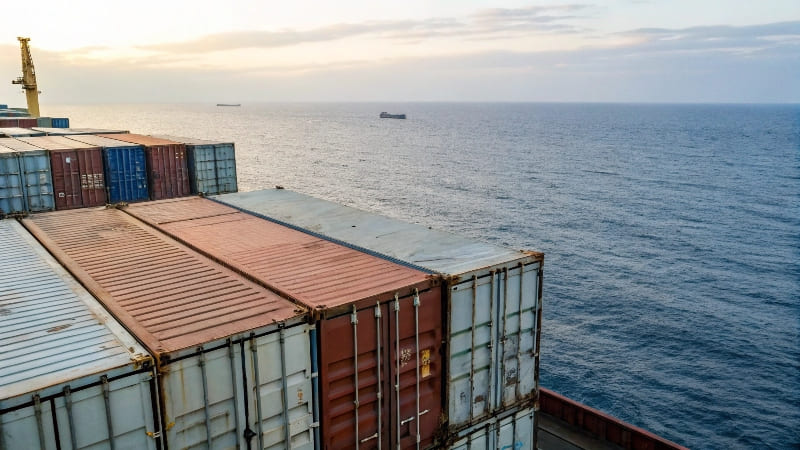
Comprehensive Container Loss Analysis and Maritime Safety Assessment
Container overboard incidents represent relatively rare events in global shipping while attracting attention due to environmental and cargo concerns. During my experience working with maritime logistics and container tracking systems, I learned that understanding loss statistics provides proper perspective while highlighting ongoing safety improvements in container shipping operations.
Industry statistics show annual container losses ranging from 1,400-2,000 units worldwide with significant year-to-year variation based on weather conditions and operational factors. Statistical tracking improves understanding while guiding safety improvements.
Loss causation includes severe weather events, improper securing, vessel operational issues, and equipment failures that contribute to container overboard incidents. Understanding causes guides prevention while improving operational procedures.
Weather impact represents the primary factor in container losses through storm conditions, high seas, and extreme weather that stress securing systems beyond design limits. Weather routing and operational adjustments reduce weather-related losses.
Securing systems include twist-locks, bridge fittings, lashing rods, and turnbuckles that maintain container stack integrity during vessel operations. Securing system improvements reduce losses while enhancing safety margins.
Reporting accuracy varies among shipping companies and flag states with some losses unreported or delayed in reporting while comprehensive statistics require industry-wide cooperation. Improved reporting enhances understanding while guiding safety measures.
Environmental concerns include marine pollution from lost containers and cargo while recovery efforts attempt to minimize environmental impact. Lost container tracking supports recovery while reducing environmental effects.
Safety improvements include enhanced securing systems, improved weather routing, better load planning, and operational procedures that reduce loss risks while enhancing maritime safety. Continuous improvements reduce incident rates.
Technology integration includes container tracking systems, weather monitoring, and automated securing verification that improve operational awareness while reducing human error factors. Technology adoption enhances safety while improving efficiency.
Economic impact includes cargo losses, insurance claims, environmental cleanup costs, and operational disruptions that affect shipping economics. Economic factors drive safety investments while justifying prevention measures.
Industry cooperation includes information sharing, best practices development, and safety standard improvements that enhance overall maritime safety while reducing container losses across the global fleet.
| Loss Factor | Annual Impact | Prevention Measures | Industry Response |
|---|---|---|---|
| Weather Events | Major loss driver | Improved routing | Weather monitoring systems |
| Severe storms | 60-70% of losses | Operational adjustments | Route optimization |
| High seas | Stack stress | Speed reduction | Real-time weather data |
| Securing System Issues | Equipment failures | System improvements | Technology upgrades |
| Improper lashing | Human error | Training programs | Automated systems |
| Equipment failure | Maintenance issues | Inspection protocols | Quality improvements |
| Operational Factors | Vessel operations | Procedure improvements | Safety management |
| Load planning | Weight distribution | Computer modeling | Optimization software |
| Speed/course | Operational decisions | Weather-based adjustments | Decision support systems |
| Reporting Accuracy | Data quality | Improved tracking | Standardized reporting |
| Industry statistics | Variable reporting | Mandatory disclosure | Transparency initiatives |
| Loss tracking | Follow-up procedures | Recovery efforts | Environmental response |
| Safety Improvements | Continuous enhancement | Technology integration | Industry standards |
| Securing technology | Advanced systems | Automated verification | Performance monitoring |
| Training programs | Human factors | Competency development | Safety culture |
Conclusion
Shipping containers offer standardization and durability advantages with size and modification limitations, maritime service life averages 25 years due to regulatory and economic factors while land-based use extends decades longer, storage restrictions include hazardous materials and temperature-sensitive goods requiring specialized equipment, and annual container losses represent less than 0.01% of shipments with continuous safety improvements reducing incident rates.
