




What Are the Ideal Qualities of a Good Container?
A good container must be strong, weatherproof, and certified for safety. It should meet ISO and CSC standards, made from corrosion-resistant Corten steel, with intact door seals and a traceable identification code confirming it passed official inspection.
insight: quality means not new-looking, but data-verified safety.

A reliable container is a structural system, not just a steel box.
What Are Some Testing Standards for Containers?
Container testing follows ISO 1496 and CSC (Convention for Safe Containers) standards. These cover stacking, lifting, load-bearing, waterproofness, and door integrity. Each test certifies that the container endures global transportation stress and remains structurally safe.
technical insight: standards keep logistics predictable and trustworthy.
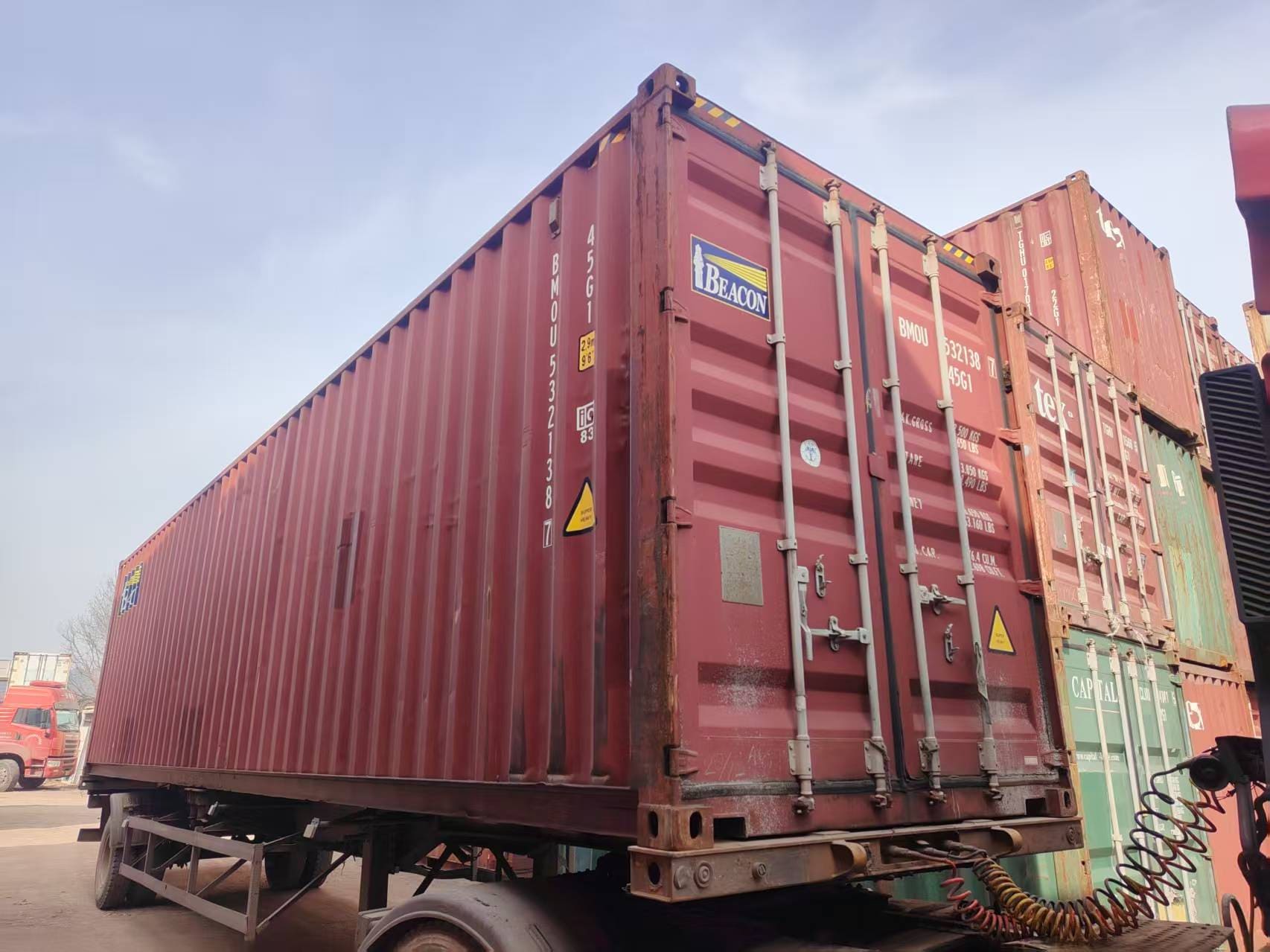
Container Testing Summary
| Test Type | Core Purpose | Standard Code / Process |
|---|---|---|
| Structural strength test | Verify stacking and load | ISO 1496-1 |
| Floor loading test | Confirm base durability | ISO 1496 Section 5 |
| Roof and corner post test | Check compression resistance | ISO 1496-1, Annex A |
| Watertight test | Prevent leak under spray | ISO 1496 + IICL 5 |
| CSC certification | Approve international use | IMO Convention on Safe Containers |
Test Cycle and Certification Logic
| Stage | Responsible Body | Description |
|---|---|---|
| Factory QC | Manufacturer | Check material strength and welding |
| Independent survey | Third party (BV, Lloyd’s, etc.) | Perform load and watertight tests |
| CSC plate issue | Authorized inspector | Attach permanent safety plate |
| Periodic inspection | Operator or depot | Check every 30 months (ACEP) |
Each test adds one more link to the chain of trust.
What Is the QC Test for Containers?
The container QC test is a comprehensive quality control check before shipment or resale. It includes steel frame inspection, weld line examination, floor thickness measurement, paint adhesion test, corner cast review, and door gasket sealing check to prevent corrosion or deformation.
manufacturing insight: QC protects reputation long before delivery.

QC Inspection Points
| Inspection Step | Check Target | Acceptable Condition |
|---|---|---|
| Visual survey | Dents, rust, damage | Minimal surface rust, no cracks |
| Door operation | Hinges, locks, gasket | Smooth operation, full seal |
| Base structure | Cross members and flooring | No rot, steel intact |
| Paint & coating | Anti-corrosion layer | Uniform, no peeling |
| ID verification | Serial and CSC plate | Clear, matching database |
| Watertight test | Internal light leak or hose test | No visible leakage |
QC Procedures and Purpose
| Type | Frequency | Reason |
|---|---|---|
| Factory QC | Every new unit | Ensure manufacturing quality |
| Re-sale QC | Before second-hand sale | Confirm safety usage |
| Depot inspection | At intervals | Extend CSC validity |
QC proves container safety beyond manufacturer claims.
What Codes Should You Look For in Storage Containers That Are Not Safe?
Unsafe storage containers often display codes like “AS IS,” “STORAGE USE ONLY,” “WIND AND WATERTIGHT (WWT),” or missing CSC plates. These labels mean the unit no longer qualifies for marine or heavy-duty transport due to damaged structure, corrosion, or unverified repair history.
buyer insight: reading codes is reading safety language.
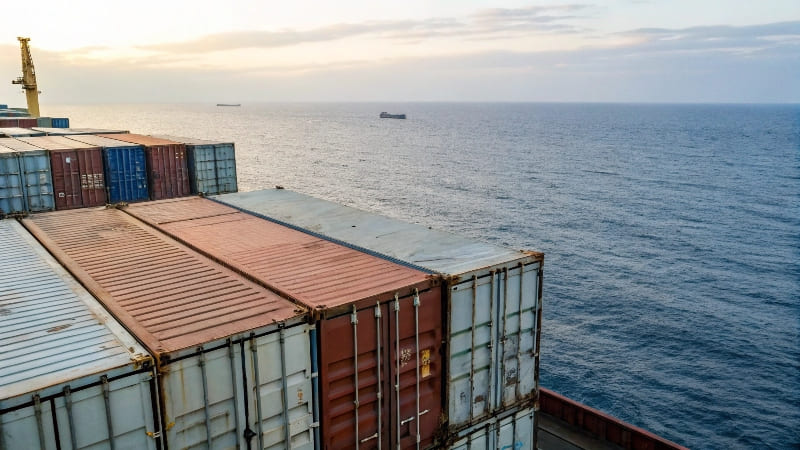
Container Code Identification
| Code Mark | Meaning | Safety Note |
|---|---|---|
| Cargo Worthy (CW) | Certified for transport | Safe for shipping and storage |
| Wind & Watertight (WWT) | Minor wear, still sealed | For ground storage only |
| As Is | No test, poor condition | Not safe for structure use |
| Storage Use Only | Failed CSC inspection | Stationary use, not load-bearing |
| Missing CSC Plate | No valid certification | Not approved for freight or stacking |
Buyer Checklist
| Step | What to Check | Why |
|---|---|---|
| CSC Plate present | Found on left-hand door | Confirms global compliance |
| Serial number format | ISO 6346 (4 letters + 7 digits) | Ensures traceability |
| Cross member straightness | Look under container | Prevents floor collapse |
| Paint condition | Even coating, no rust flake | Protects against weather |
| Door gasket seal | Full contact when closed | Maintains internal dryness |
Knowing the codes ensures informed, safe purchase decisions.
Conclusion
The value of a container lies not in its paint or appearance but in its verified integrity. ISO 1496 and CSC testing build trust; QC confirms safety. At TRUSUS, we believe true container quality equals reliable global certification, traceable structure, and earned trust—the essence of lasting industry credibility.
