




What Are the Hidden Fees for Containers?
Customers often focus only on the quoted container price and overlook the full cost structure behind it. Hidden fees reflect operational, logistical, and compliance costs built into every container transaction.
Hidden container fees include transportation surcharges, container pickup and return costs, cleaning charges, document processing fees, depot storage, and customs expenses—all arising from supply chain coordination, not arbitrary markups.
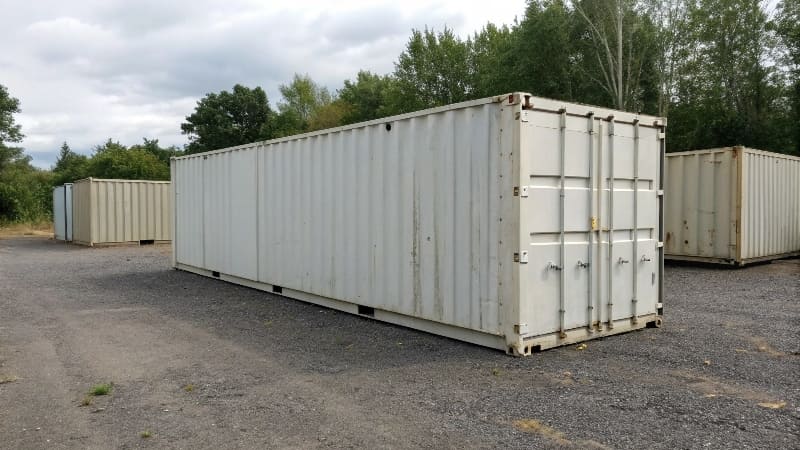
Over years selling and delivering new and used containers, I found that transparency about these hidden fees builds long-term client trust. These are not tricks—they are real service costs linked to global logistics management and standardized shipping operations.
What Is a Container Fee?
Many buyers get confused when “container fee” appears in quotations. This term may not refer to the box price but to a charge applied during transport or temporary use within logistics networks.
A container fee refers to the cost of using, moving, or processing a container within a port, depot, or carrier system. It may include rental, lift-on/lift-off, or administrative charges required for handling transport equipment.
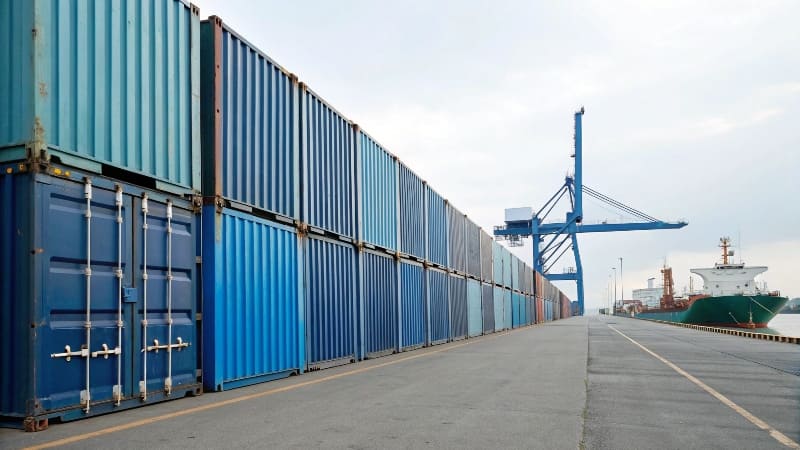
Container Fee Origin and Breakdown
Container fees exist because each container interacts with multiple service providers during its logistics life cycle. I have observed how these fees vary across ports and regions depending on local infrastructure and ownership models.
Usage Fees—Charged when containers are temporarily rented or held between shipment intervals to cover equipment utilization.
Handling Fees—Applied by ports or depots for loading, unloading, or stacking during delivery or collection.
Administrative Fees—Issued for booking documentation, container monitoring, or paperwork within carrier systems.
Detention or Demurrage Fees—Levied when a container exceeds its allowed free time at a terminal, reflecting delayed operations or space occupation.
Maintenance Fees—Occur when containers require inspection or minor repair before reuse, ensuring compliance with cargo safety standards.
| Fee Type | Description | Typical Range | Responsible Party |
|---|---|---|---|
| Usage Fee | Payment for temporary use | $3–$10 per day | Lessee |
| Handling Fee | Port lift/lower operation | $25–$80 | Terminal |
| Documentation Fee | Shipment paperwork | $30–$60 | Freight forwarder |
| Demurrage/Detention | Late return penalty | Variable daily | Carrier |
| Maintenance Fee | Basic inspection cost | $20–$50 | Depot |
What Is the Container Cleaning Fee?
Clients often question why cleaning fees appear on invoices. Cleaning ensures every container meets hygiene and cargo preparation standards between shipments and ownership transfers.
A container cleaning fee covers removal of residues, stains, odors, or debris to return the container to cargo-ready status. It safeguards goods from contamination and confirms compliance with operational handover standards.
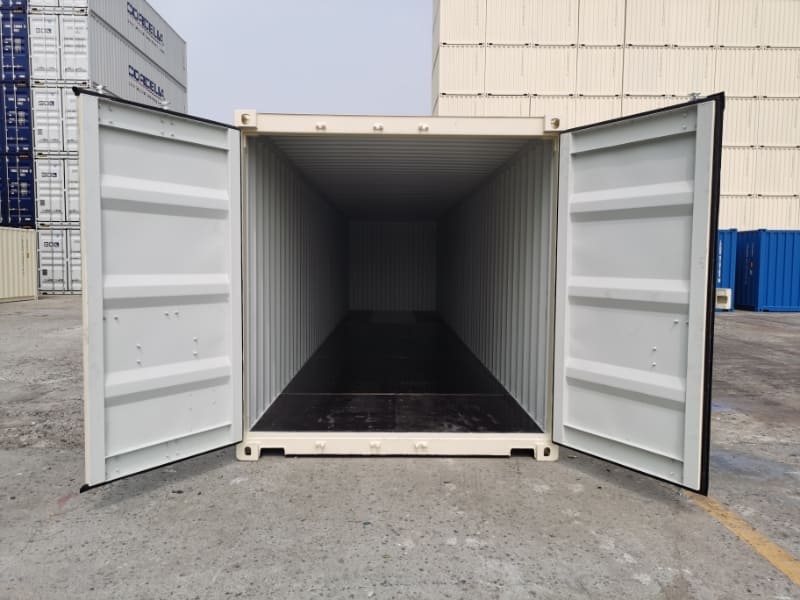
Why Cleaning Fee Matters and How It’s Calculated
The cleaning fee is not arbitrary; it’s a quality assurance charge that reflects mandatory inspection steps defined by logistic procedures. Throughout years coordinating depot operations, I’ve seen how consistent cleaning protects both buyers and carriers.
Standard Cleaning applies when containers return from general cargo use. Workers remove packaging dust, scrape minor residues, and sanitize inner surfaces ensuring neutral odor.
Deep Cleaning may be needed for refrigerated or food-grade containers involving chemical treatment or high-pressure washing to remove potential contaminants.
Certification Cleaning involves documentation confirming cleanliness per ISO hygiene requirements before reuse or export.
Charges depend on contamination level, container type, and regional labor rate. Some depots offer bundled cleaning with inspection to speed up turnover within fleet management systems.
| Cleaning Type | Service Description | Typical Cost Range | When Required |
|---|---|---|---|
| Basic Cleaning | Interior wipe, dust removal | $25–$40 | General cargo |
| Deep Cleaning | Pressure wash + disinfection | $40–$70 | Food/chemical cargo |
| Certification Cleaning | ISO-standard verification | $70–$100 | Export containers |
| Exterior Wash | Surface rinse & logo cleaning | $15–$25 | Resale units |
Proper cleaning ensures long-term container integrity. Rust prevention often follows cleaning procedures, maintaining resale value and prolonging structural life of steel surfaces.
How Much Should I Pay for a 20 Foot Container?
Many customers ask for an exact number, yet container pricing fluctuates daily based on region, condition, and demand. The visible price excludes logistics costs that shape total ownership value.
A 20-foot container generally costs between $1,500 and $3,000 for used units and $3,500 to $5,000 for new ones, depending on location, specification, and delivery terms. Transport, cleaning, and paperwork fees add to total purchase cost.
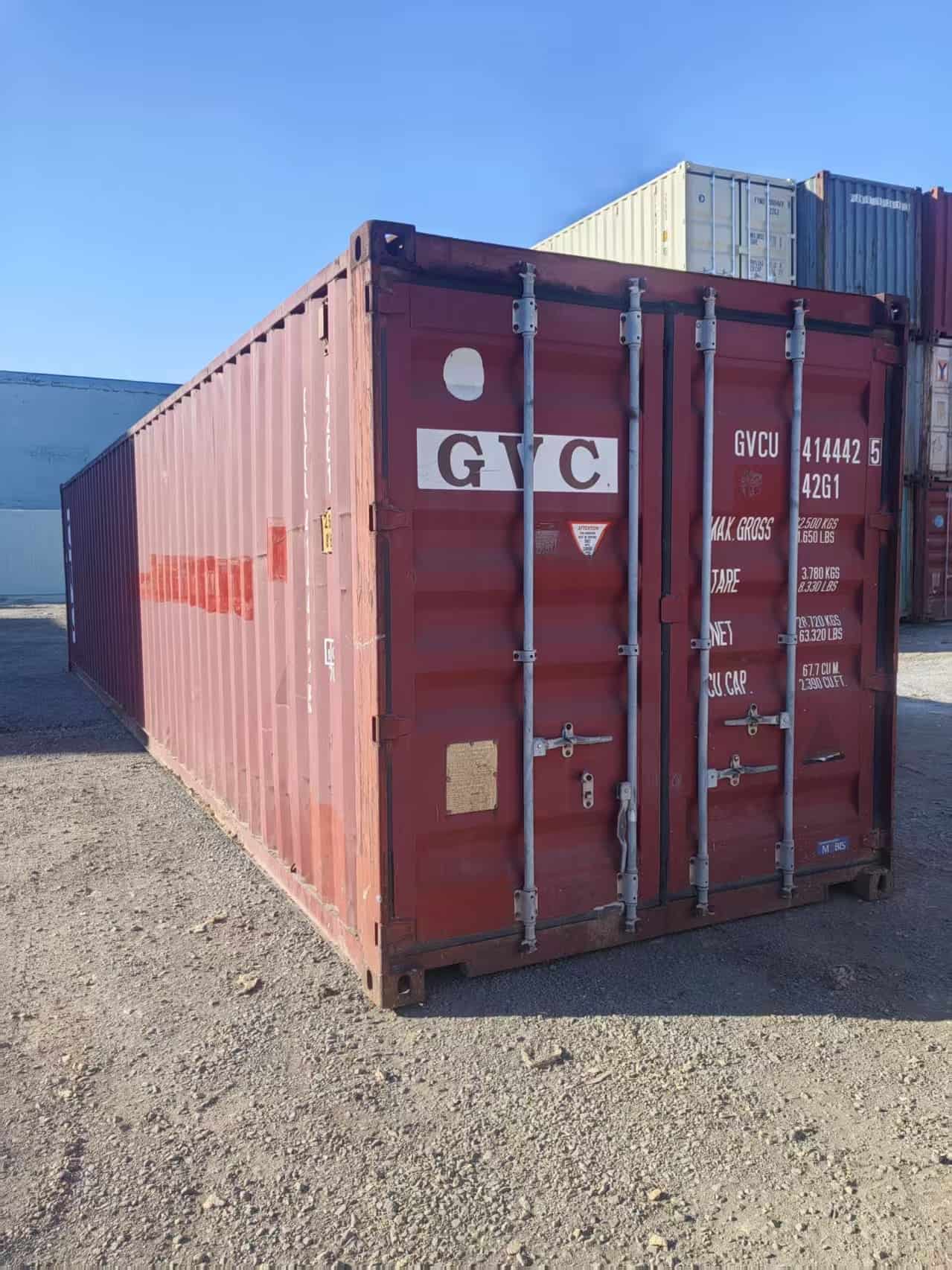
Full Breakdown of 20-Foot Container Pricing Factors
Container pricing combines multiple cost inputs influenced by supply chain conditions, production materials, and location. In years managing regional inventory, I’ve seen price variances reflect both steel market fluctuations and local demand spikes.
Condition: New containers cost more due to structural warranty and factory finish. Used containers come graded by age and appearance—A (excellent), B (good), or C (serviceable).
Regional Demand: Prices rise in inland or low-stock areas due to added transportation costs compared to port locations.
Delivery Cost: Buyers pay local logistics charges covering truck haulage or crane offloading depending on distance and site access.
Optional Services: Cleaning, inspection documentation, and depot transfer fees may add hundreds to total transaction value if not included upfront.
| Category | Description | Average Price (USD) | Notes |
|---|---|---|---|
| New 20ft Container | Factory-produced, certified | $3,500–$5,000 | Color, lock type vary |
| Used “Grade A” 20ft | Minor cosmetic wear | $2,000–$2,800 | Structurally sound |
| Used “Grade B” 20ft | Moderate wear, aged | $1,500–$2,000 | Good for storage |
| Delivery Fee | Local truck transport | $200–$600 | Distance dependent |
| Cleaning Fee | Preparation before sale | $25–$60 | Optional |
| Documentation | Ownership papers | $30–$50 | Regulatory completion |
Buying responsibly means calculating total ownership cost, not just base price. Reliable suppliers disclose all cost items including depot clearance and handling, ensuring customers understand the full value chain before signing.
Conclusion
Container transactions include base price plus hidden logistical fees: usage, handling, cleaning, documentation, and transport. A container fee denotes operational or rental cost, a cleaning fee ensures hygienic readiness, and a 20-foot container typically costs $1,500–$5,000 depending on condition and location—underscoring the importance of transparency and service trust across modern container deals.
